

From early childhood, her life was filled with stories. She observed the daily life of the city’s Jewish community and transformed these moments into vivid short stories. Paley became a master of words, capable of revealing deep psychological experiences and social dramas in just a few paragraphs. Her books reflect the realities of everyday life and the struggles of ordinary people. But writing was only one part of her life. Grace was also an active advocate for women’s rights, against war, and for social justice. She was not just a voice of literature, but a voice for change in society. Read on to learn more about the life of this talented fighter for justice on bronxanka.com.
Childhood in the Bronx and the Path to Literature
Grace Paley (née Goodside) was born on December 11, 1922, in the Bronx. Her parents, Isaac and Manya, were Jewish immigrants from Ukraine who had survived Tsarist persecution. Her father had been exiled to Siberia, and her mother was forced to flee to Germany. To escape oppression, they traveled across the ocean and began a new life in New York. Their home was a tapestry of several languages: Russian, Yiddish, and English, which Isaac learned by reading Dickens. He eventually became a doctor and provided stability for the family. The couple had three children. Grace, the youngest, was born much later than her brother and sister. She grew up mischievous, curious, and always ready for a debate. She was an early participant in the intellectual conversations of adults and even joined a socialist youth organization called the “Falcons.”
Her father was a special figure in Grace’s life. At the family table, he often told stories—witty, instructive, and full of humor. After he retired, he even took up painting and writing short stories. The atmosphere of a home that valued words and storytelling deeply influenced the future writer.
But as a teenager, Grace had a rebellious streak. She dropped out of high school at 16 but soon enrolled at Hunter College, where she only stayed for a year. She was drawn to poetry, and at 17, she took classes with W.H. Auden at the New School. She never completed a formal education.
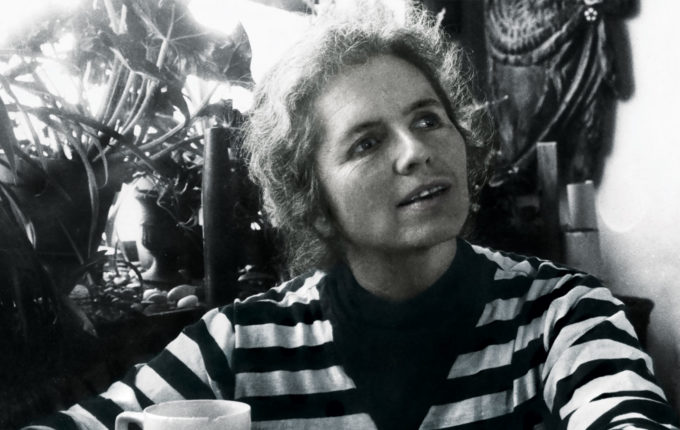
At 19, Grace married filmmaker Jess Paley. The couple had two children, Nora and Danny. Although the marriage later ended, it was during those years that Grace shaped her lifestyle: a combination of motherhood, active participation in social movements, and writing. She spent a lot of time in playgrounds, observing people, listening to their stories, and gradually gathering her own material for her work.
The Writer
After numerous rejections at the start of her career, Grace Paley finally made her literary debut with the short story collection The Little Disturbances of Man in 1959. In it, she described the lives of New Yorkers through the lens of daily joys and struggles and introduced the character of Faith Darwin—a semi-autobiographical protagonist who appears in many of her subsequent works. Though the book was initially obscure, critics like Philip Roth and writers for The New Yorker noticed her talent. The collection later got a second life when it was reissued by Viking Press in 1968.
Despite offers to write a novel, Paley remained faithful to short fiction, considering it the most powerful tool for conveying the nuances of everyday life. With the support of her friend and neighbor Donald Barthelme, she published Enormous Changes at the Last Minute in 1974—a collection of seventeen stories that continued to explore themes of race, gender, and social class. The central story, “Faith in a Tree,” depicts Faith sitting in a tree in a park, observing her neighbors and protestors, which allows her to gain a deeper understanding of the human world and her own social responsibilities.
In 1985, the collection Later the Same Day was released, where Paley expanded her social palette, adding more Black and lesbian voices. In 1994, her The Collected Stories was nominated for both the Pulitzer Prize and the National Book Award, solidifying Paley’s status as one of the most brilliant masters of short fiction.
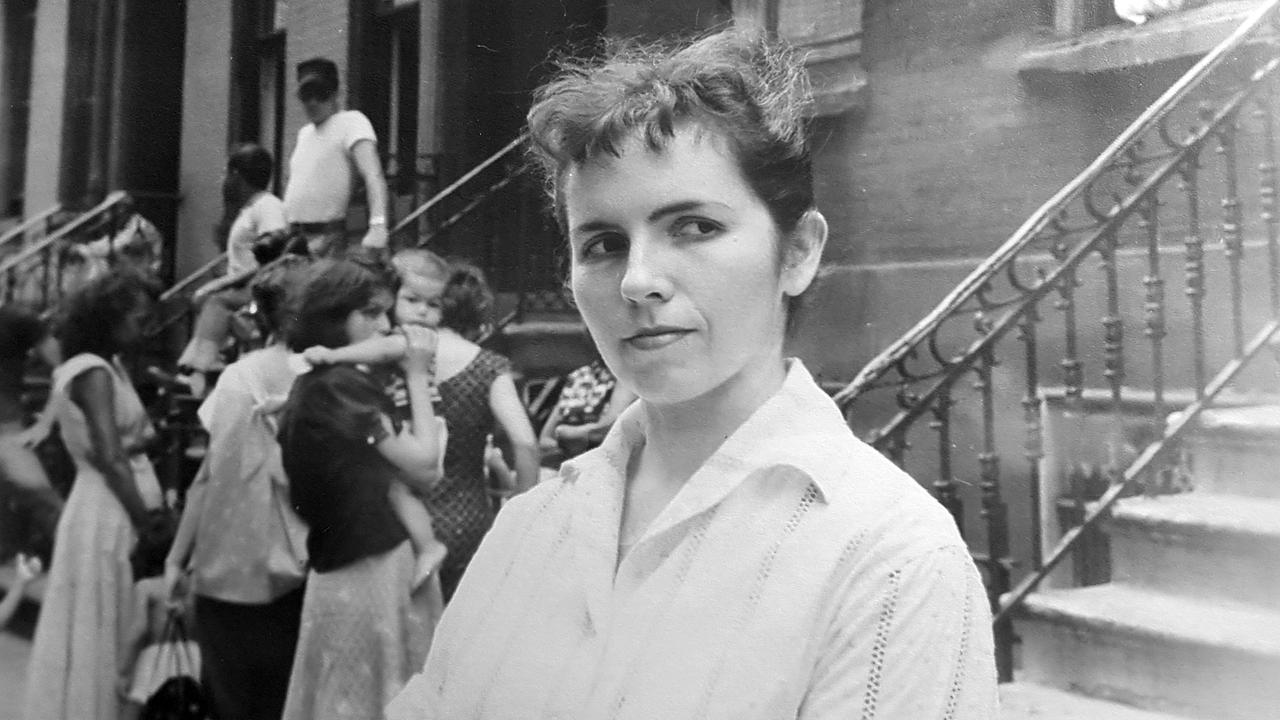
Grace’s writing voice was always sincere and close to life. Her characters smell of onions, argue in dark kitchens, grieve, and laugh. Paley wrote about what she knew firsthand: women’s lives, everyday joys and tragedies, and specifically, the lives of Jewish women in New York.
In addition to prose, Paley also wrote poetry, including Leaning Forward (1985), New and Collected Poems(1992), Long Walks and Intimate Talks (1991), and Begin Again: Collected Poems (2001). She also left behind a number of essays, including the collection Just as I Thought (1999), as well as texts on feminism and peace that were included in anthologies. Her last book, a poetry collection titled Fidelity, was published posthumously in 2008.
Grace Paley was a writer who managed to see greatness in the everyday, to present the world as it is, and at the same time to give her characters a deep dignity and humor. George Saunders wrote of her: “Paley is a sort of secular saint. She honors every person and thing she creates, presenting them in their most luminous form.”
The Teacher
Grace Paley began teaching writing in 1966 at Sarah Lawrence College and remained there until 1989. In the late 1960s, she helped found the Teachers & Writers Collaborative in New York, aiming to bring together those who love to write and those who teach writing. Her approach to teaching was simple yet profound. She said:
“You can only teach those who learn. You can’t teach any subject to anyone who doesn’t want to know.”
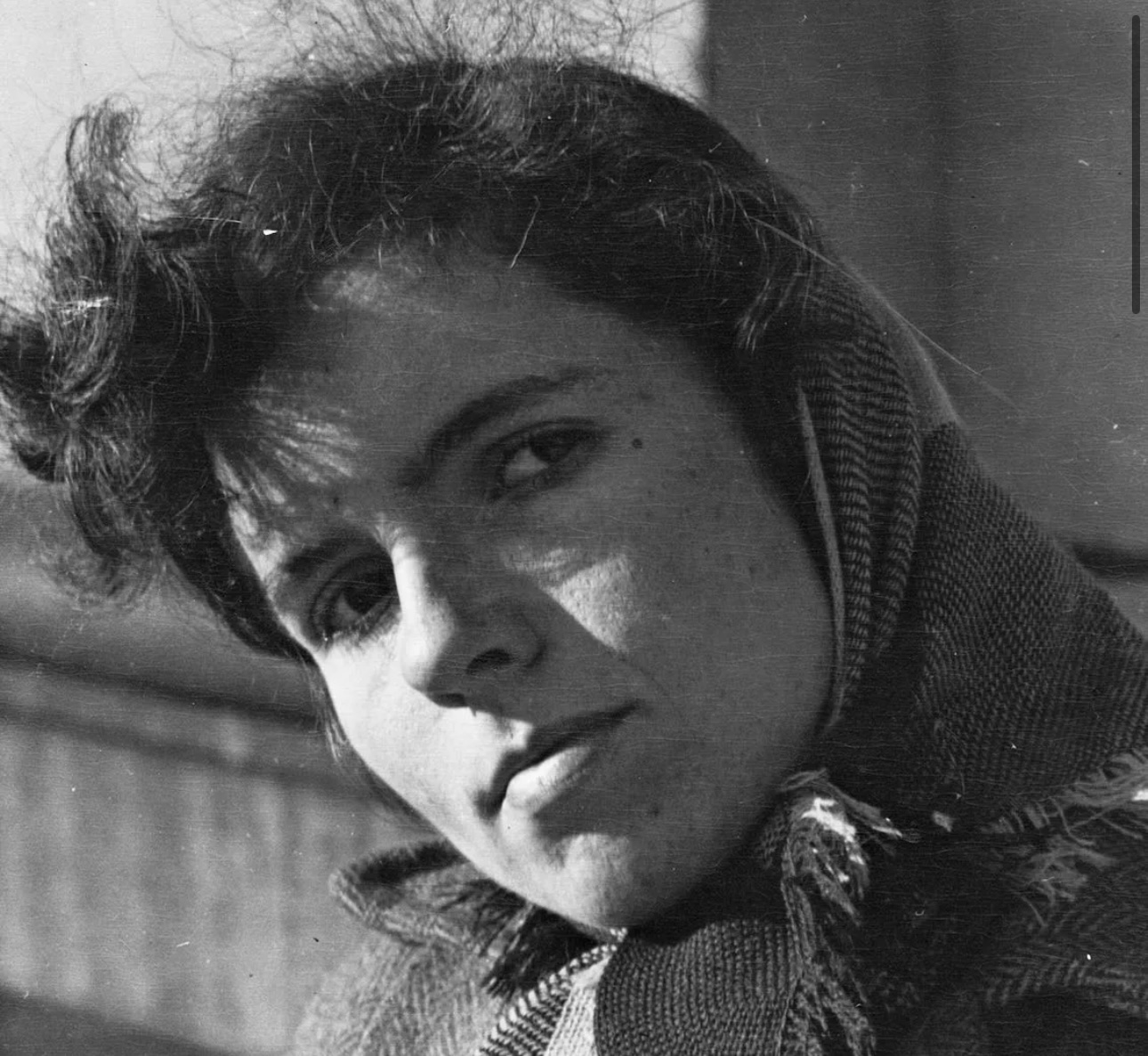
Paley believed that a writer must be taught not only the art of words but also how to pay attention to the world around them. She also taught at City College, Columbia University, and Syracuse University, where she always championed the idea that literature is first and foremost a dialogue, an ability to hear others and give them a voice in the text. Paley emphasized that she was not interested in working with those who only heard their own voice; it was important for her to cultivate attentiveness and empathy through words.
Grace Paley left behind not just her works but also a generation of students whom she taught to listen, to write, and to feel the world, making it a little kinder and more just.
A Pacifist, Feminist, and Activist
Raised in a socialist family in the Bronx, Grace Paley felt the burden and inspiration of political consciousness from childhood. She admitted that raising children and constant involvement in public affairs took time away from her art, but she herself said:
“Art is too long, and life is too short.”
Paley never stood on the sidelines of social problems. She supported pacifist ideals, participated in civil rights campaigns, anti-war protests, and feminist causes, and advocated for social justice. For her active civic stance, the FBI maintained a file on her for thirty years.
As early as the 1950s, Grace protested against the proliferation of nuclear weapons and the militarization of the U.S. Together with friends and peace organizations, including the American Friends Service Committee, Paley helped form local peace groups and even founded the Peace Center in Greenwich Village in 1961. It was through the peace movement that she met her second husband, Robert Nichols.
With the escalation of the Vietnam War, Paley joined the War Resisters League, where she was arrested multiple times, including a week spent at the Women’s House of Detention. In 1968, she signed a pledge to resist paying taxes in protest of the war, and in 1969, she gained national prominence by accompanying a peace mission to Hanoi to negotiate the release of prisoners of war. In 1973, she was a delegate to the World Peace Conference in Moscow, and in 1978, she was arrested with other activists during an anti-nuclear protest at the White House.
Paley’s activism wasn’t limited to issues of war. She advocated for women’s rights, including the right to abortion, and organized protests in support of these rights as early as the 1960s. She also fought against U.S. military intervention in Central America and later the war in Iraq.
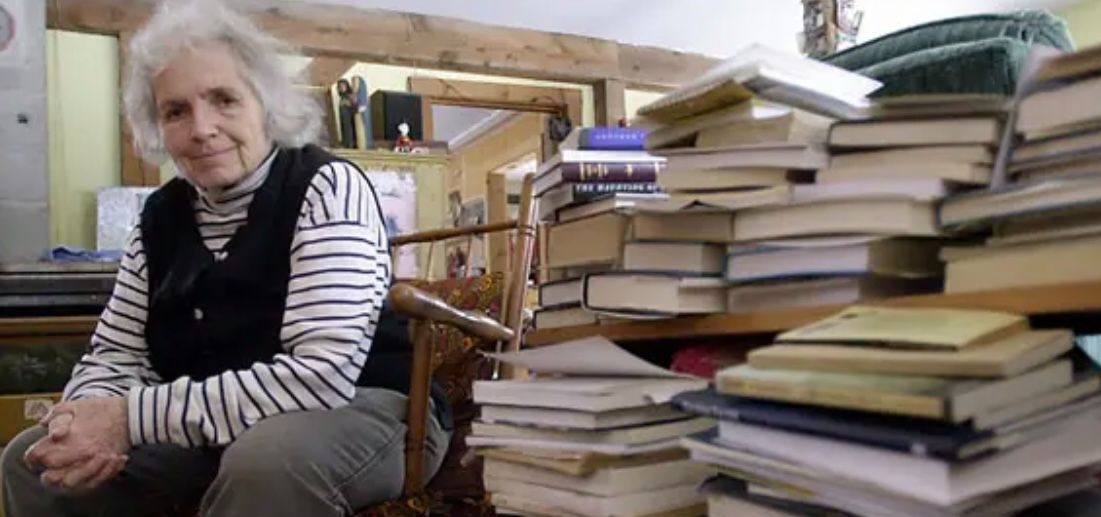
For many years, Grace Paley lived in the heart of Greenwich Village on West 11th Street. She didn’t learn to drive until she was 55, but that didn’t stop her from living an active and fulfilling life. From the 1970s, she spent summers in Thetford, Vermont, with Nichols, and in the early ’90s, the couple settled there permanently.
Grace Paley died at the age of 84 after a battle with breast cancer. She is survived by her husband, two children, and three grandchildren. This was the journey of Grace Paley—the daughter of Ukrainian immigrants who grew up in the multilingual Bronx, surrounded by family stories, socialist ideals, and an unyielding passion for words. Her life was a combination of words and actions, literature and protest, art and civic courage.