

Chanel Campbell’s career isn’t your typical story of a meteoric rise fueled by industry hand-outs. It is a journey where every step is intentional, and every collection serves as a mirror to her internal evolution. In this article on https://bronxanka we dive into the origins of her brand, Bed on Water, her three core collections, and her refusal to play by the rules of an industry that often feels rigged.
Fashion Without Illusions
Chanel Campbell’s story begins far from the glossy runways—in the polyphonic, rhythmic pulse of the Bronx. It was there that her fashion sensibility took root, inspired by strong Black women who transformed their appearance into a high art form: from intricate hairstyles and nails to their clothing and the very way they carried themselves.
Growing up, Campbell lived in a melting pot of African American and Afro-Caribbean cultures. This fusion echoed in the music, the local slang, the daily rhythms, and the food. Eventually, this heritage “bloomed” in her designs through specific textures, details, and moods. Her father played a pivotal role as well, constantly urging her to dig deeper into her own culture. While these conversations felt heavy in her youth, they ultimately became the foundation of Chanel’s creative identity.
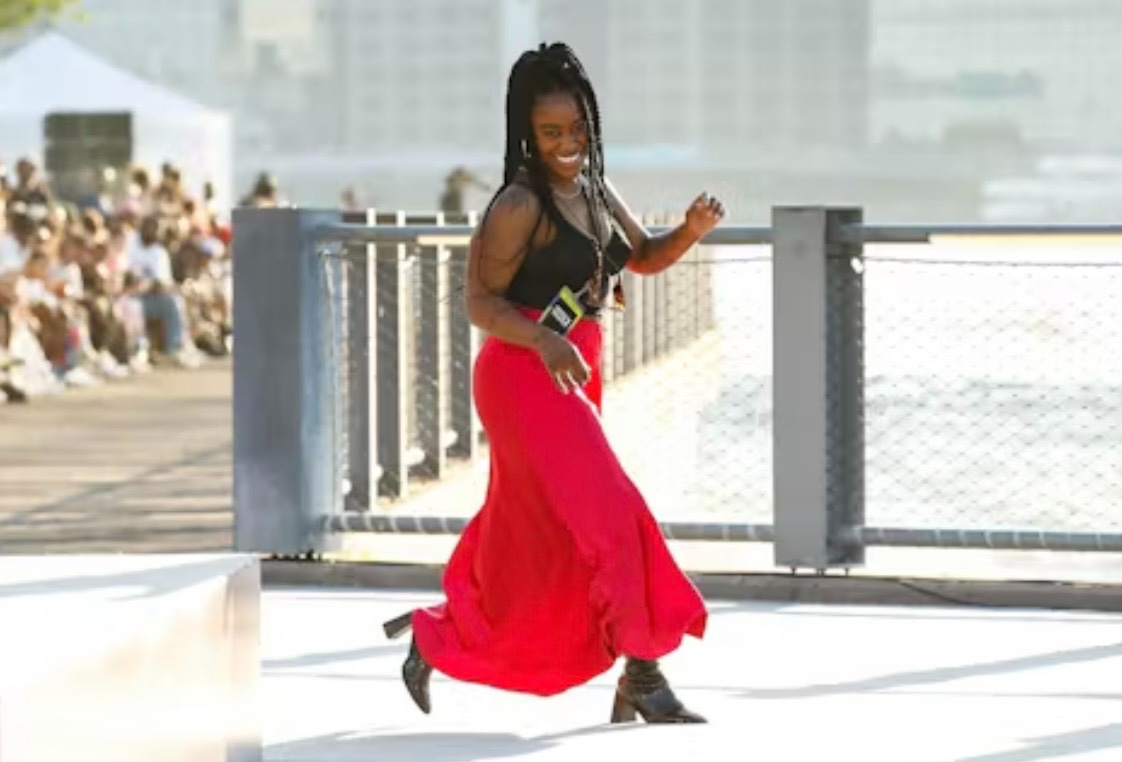
After earning her BFA in Philadelphia, Campbell returned to New York—the city of dreams that wasn’t exactly rushing to open its doors to “outsiders.” Lacking a degree from a prestigious fashion school meant she didn’t have an easy “in.” So, she took the long road: internships.
Her first experience with a British knitwear designer was both a masterclass and a trial by fire. Long days, repetitive tasks, and nearly zero pay—a familiar grind for fashion hopefuls. While she sharpened her technical skills and learned the ropes, she also saw the industry’s dark side: the burnout and the grueling pace where creativity often takes a backseat to production.
This reality check was a turning point. Campbell realized that the fashion industry isn’t just about clothes; it’s about pressure, capital, and expectations. To stay true to herself, she had to write her own playbook. She took a step back to figure out how to exist in this world not as a cog in the machine, but as a creator with a distinct voice.
Out of this soul-searching came her signature aesthetic: independent, culturally rooted, and intentionally detached from the dictate of seasons.
A Debut That Doubled as a Manifesto
When Chanel Campbell first hit the New York Fashion Week runway in 2018, it was clear she wasn’t just another name on the schedule. She was a voice speaking clearly, confidently, and without compromise.
She self-produced her debut show from concept to completion, and it immediately became a manifesto. The runway featured 17 models of varying skin tones who didn’t just walk—they lived the clothes. They stood, sat, and met the audience’s gaze with a quiet dignity. The garments—featuring intricate knits, beadwork, and textured details—spoke the language of craftsmanship and cultural memory.
But the real magic wasn’t just in the garments. The entire team, from stylists to beauty pros, was composed almost entirely of Black professionals. This wasn’t “diversity” as a trend; it was an organic ecosystem where everyone understood and elevated the shared vision. The show became a space where Black culture didn’t have to adapt to the industry—it redefined the industry on its own terms.
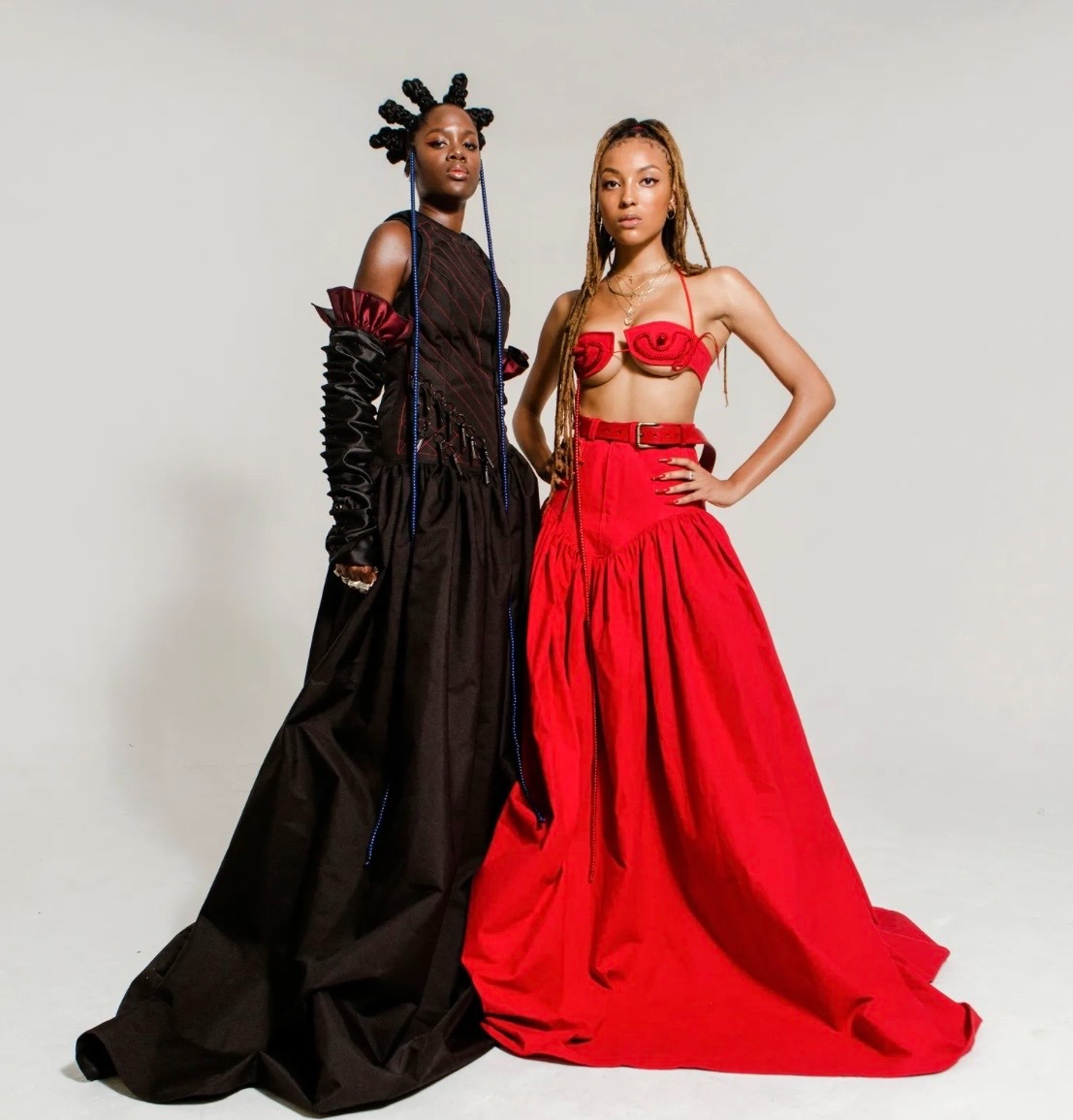
The feedback was instant. For Campbell, the most meaningful reaction came from the very people the collection was for. Attendees spoke of a sense of belonging—a rarity in a world where “diversity” often feels performative. For the models, it was an experience where they didn’t have to explain their identity; it was already understood.
“I want underrepresented people to feel like the fashion industry is accessible and accepting of them. If I can make them feel inspired to pursue a creative career or feel more empowered in their creative expression, I’m happy,” Chanel remarked after her first major show.
That debut was more than a launch; it was a stake in the ground. It became clear that Campbell wasn’t going to chase the “fast fashion” cycle. She consciously rejects the exhausting multi-show-a-year pace, choosing depth over volume. For her, the goal isn’t to keep up with the industry, but to shift its rhythm through ideas, images, and lived experience.
Frozen Images, Living Meaning: Campbell’s Second Act
The second chapter of Chanel Campbell’s story was born when the world stood still. The pandemic forced the designer to abandon traditional formats, but this very constraint sparked one of the most conceptual breakthroughs of her career.
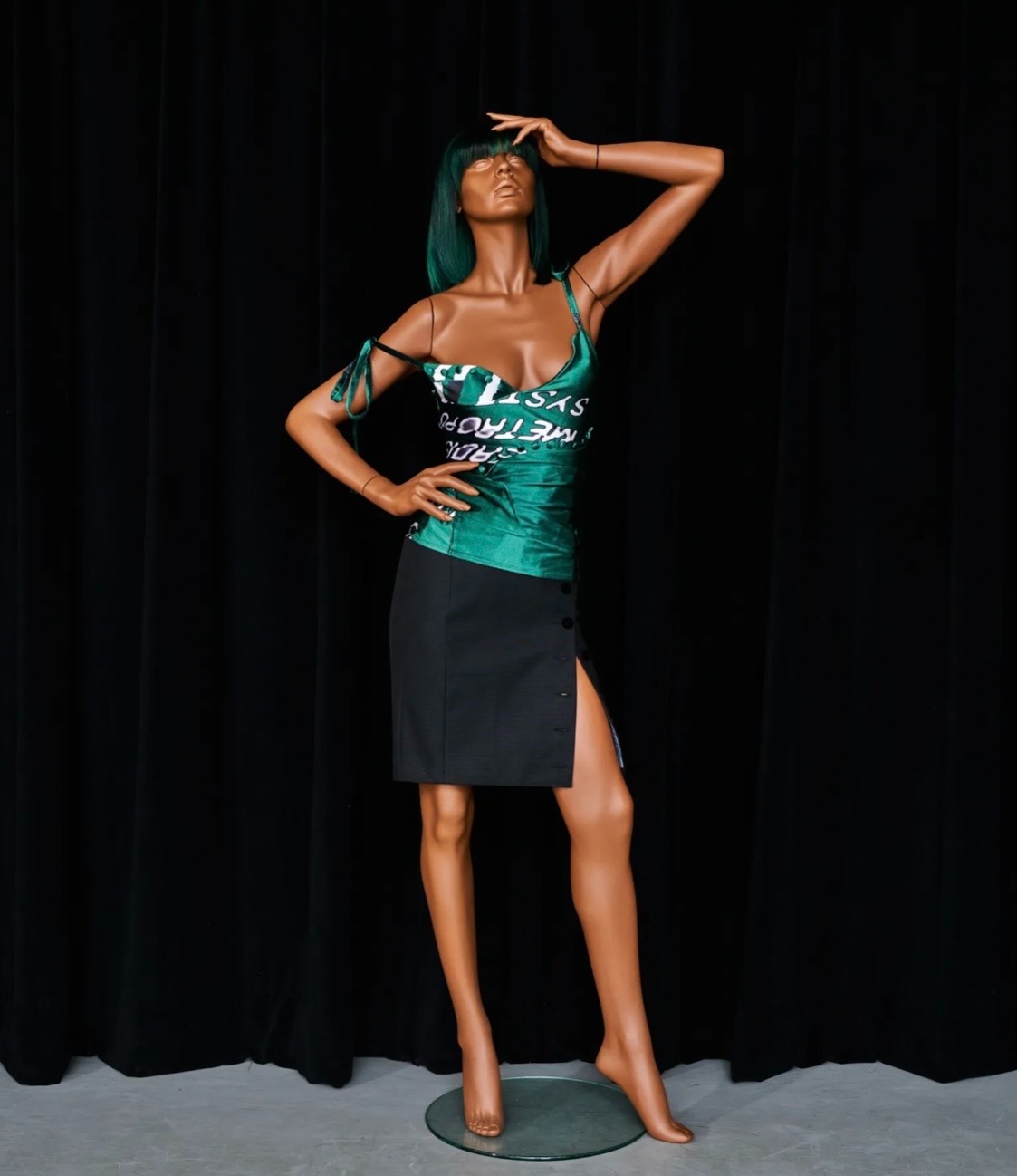
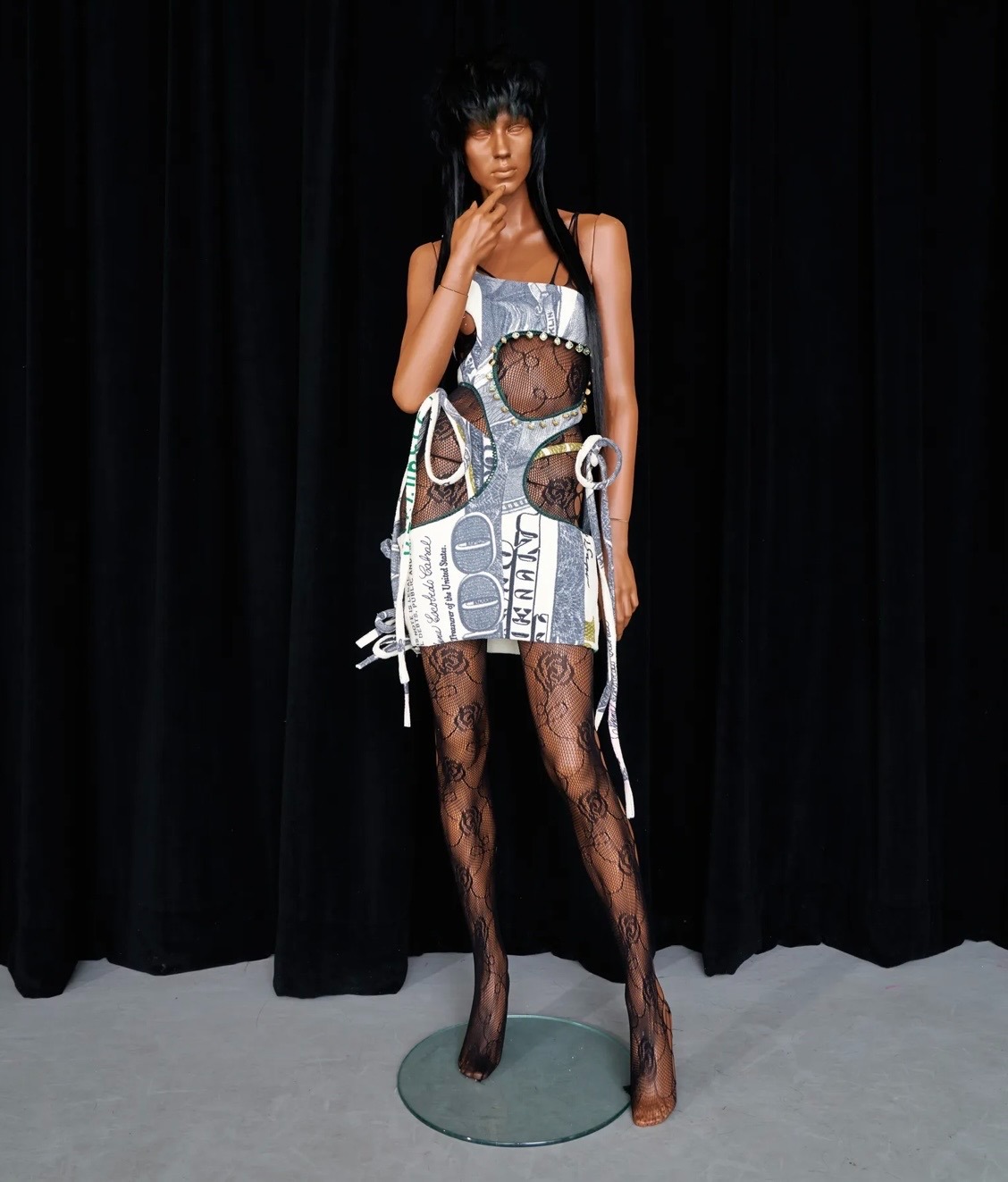
In a move away from the runway norm, she replaced models with mannequins. Motionless and understated, they displayed the garments with a cold detachment that only sharpened the collection’s impact. What initially seemed like a forced compromise transformed into a precise artistic statement. In the fashion world, the mannequin often symbolizes the “ideal body”—a stark contrast to Campbell’s philosophy of designing for diverse bodies and identities. This irony reflected her personal journey: a struggle with body image and a drive to redefine the boundaries of beauty.
In this presentation, the Bed on Water collection felt almost spectral. Pink ruffled dresses, cut-out pieces, and heavily textured fabrics seemed to hang in space, devoid of movement yet charged with tension. Campbell’s African American and Caribbean heritage bled through the prints and textures. One specific print featured a visually glitched fragment of an interview between James Baldwin and Nikki Giovanni.
“It’s a two-hour interview, but at the very end, it glitches out strangely. I took that moment, repurposed it in Photoshop, and turned it into prints,” Chanel says, explaining the technical process.
Another influence was the industrial aesthetic of her childhood. Growing up with a father in construction meant being surrounded by job sites and raw materials. Consequently, the collection featured fabrics typically reserved for heavy-duty tools, reimagined here with an unexpected, almost sculptural femininity.
The show was a resounding success, with the brand’s pieces appearing in the Gucci Vault project and on high-profile artists. Yet, despite the buzz, Campbell chose a strategy of intentional invisibility. She stayed in the shadows, minimized her social media presence, and let the clothes speak for themselves. Like her mannequins, the designer removed her own face from the frame to keep the focus on the meaning.
The second show proved one vital point: Bed on Water isn’t about speed or fitting into the industry mold. It’s about owning your own tempo and the right to treat fashion as fine art.
The City as a Runway: The Third Collection
Campbell’s third collection was born from a hiatus. In 2021, she effectively stepped away from the fashion world—not due to a lack of interest, but a lack of resources. During this break, she turned to painting. The canvases she created during that period of exhaustion and frustration became the unexpected starting point for her next move, eventually evolving into the prints for her new garments.
In June 2022, the Brooklyn Bridge became the stage for her return. As part of the MADE x PayPal program for emerging designers, Campbell presented 20 looks against the iconic New York skyline. The city served as the perfect backdrop for her work, which drew inspiration from the energy of her native Bronx: its grit, vivid graffiti, the metallic sheen of the subway, and the everyday pulse of the streets. The silhouettes—leather jackets, bodysuits, minis, and velvet pieces—balanced provocative edge with raw tenderness.
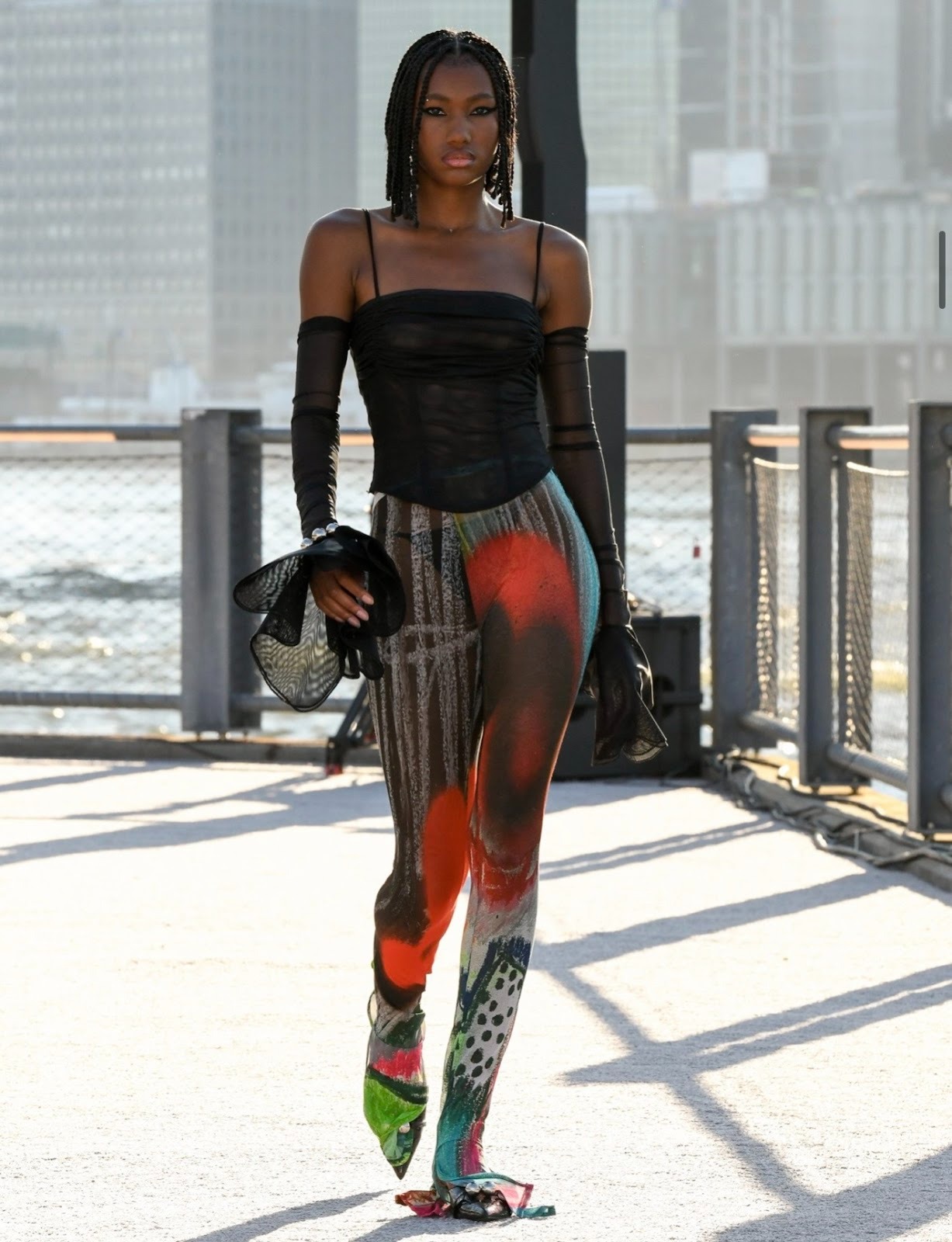
This collection articulated her stance on the industry more clearly than ever. Campbell is vocal about the financial, racial, and gender inequalities that dictate the pace and opportunities for young designers. But instead of meeting the system with anger, she meets it with clarity and composure. Her answer to the status quo isn’t a protest in the traditional sense; it’s the creation of an alternative—a space where fashion exists without the weight of outside expectations.
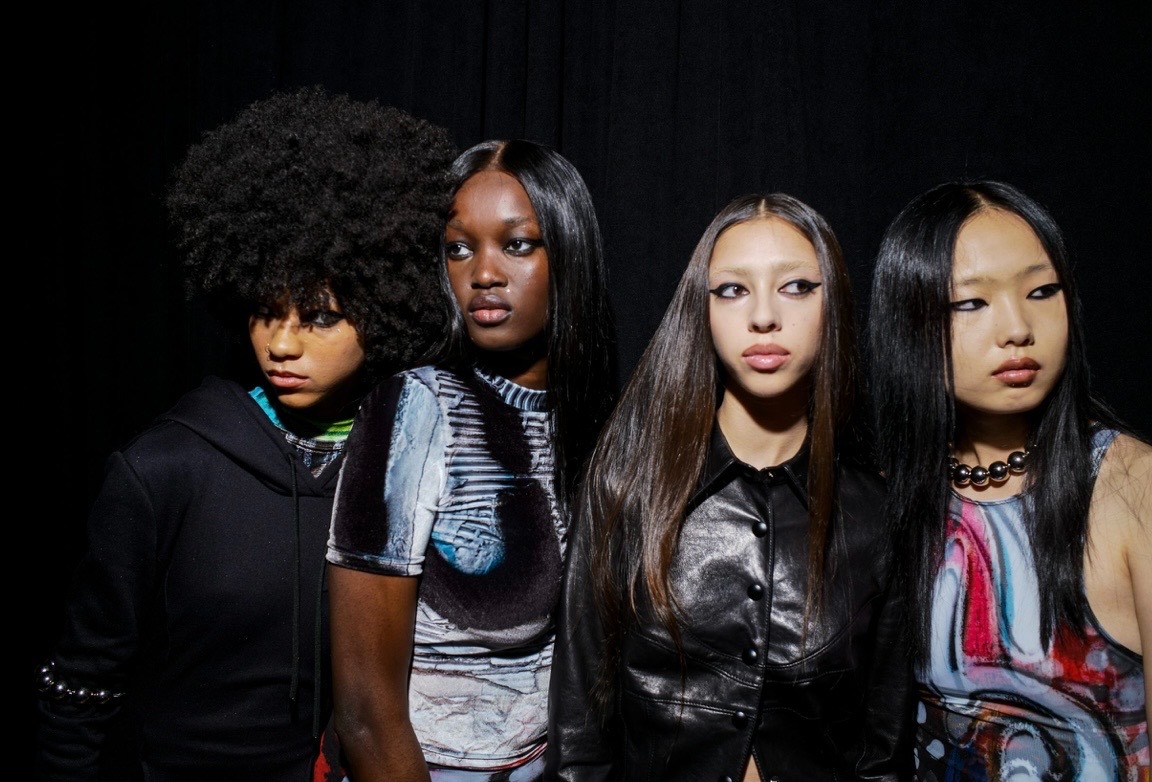
The third collection feels like a turning point. She isn’t trying to please everyone or seeking universal validation. Instead, she is capturing the moment she finally found herself—in her own voice, at her own speed, and with her own vision. Perhaps for the first time, she feels no need to prove anything to anyone.