

She was the mastermind behind the iconic “dream dresses” of the mid-20th century. In this article on bronxanka.com we dive into how Ceil Chapman successfully blended high-society glamour with accessibility, redefined the female silhouette, and why her work is reclaiming the spotlight today. This is the story of style, talent, and a legacy that has truly stood the test of time.
From Salesgirl to Executive: Early Years in the Fashion Industry
Born Cecilia Mitchell on February 19, 1912, on Staten Island, she spent her childhood in Rosebank before moving to Manhattan as a teenager. Even then, Cecilia was cutting and sewing her own clothes; she designed her first dress at just 15. It wasn’t just a hobby—it was an intuitive grasp of form and style that would soon become her life’s work.
Cecilia’s education was more artistic than specialized. She attended Catholic schools, but her true “design school” was the industry itself. She worked as a salesgirl and a buyer, gradually immersing herself in the business side of fashion.
After two years of college, she landed a job at a salon within a major Fifth Avenue department store. In just three years, she rose to become its manager—a meteoric rise that spoke volumes about her natural talent and work ethic. She stayed there for nearly a decade, honing a signature style that her son, Peter, would later describe as complex, technically precise, and “almost engineered.”
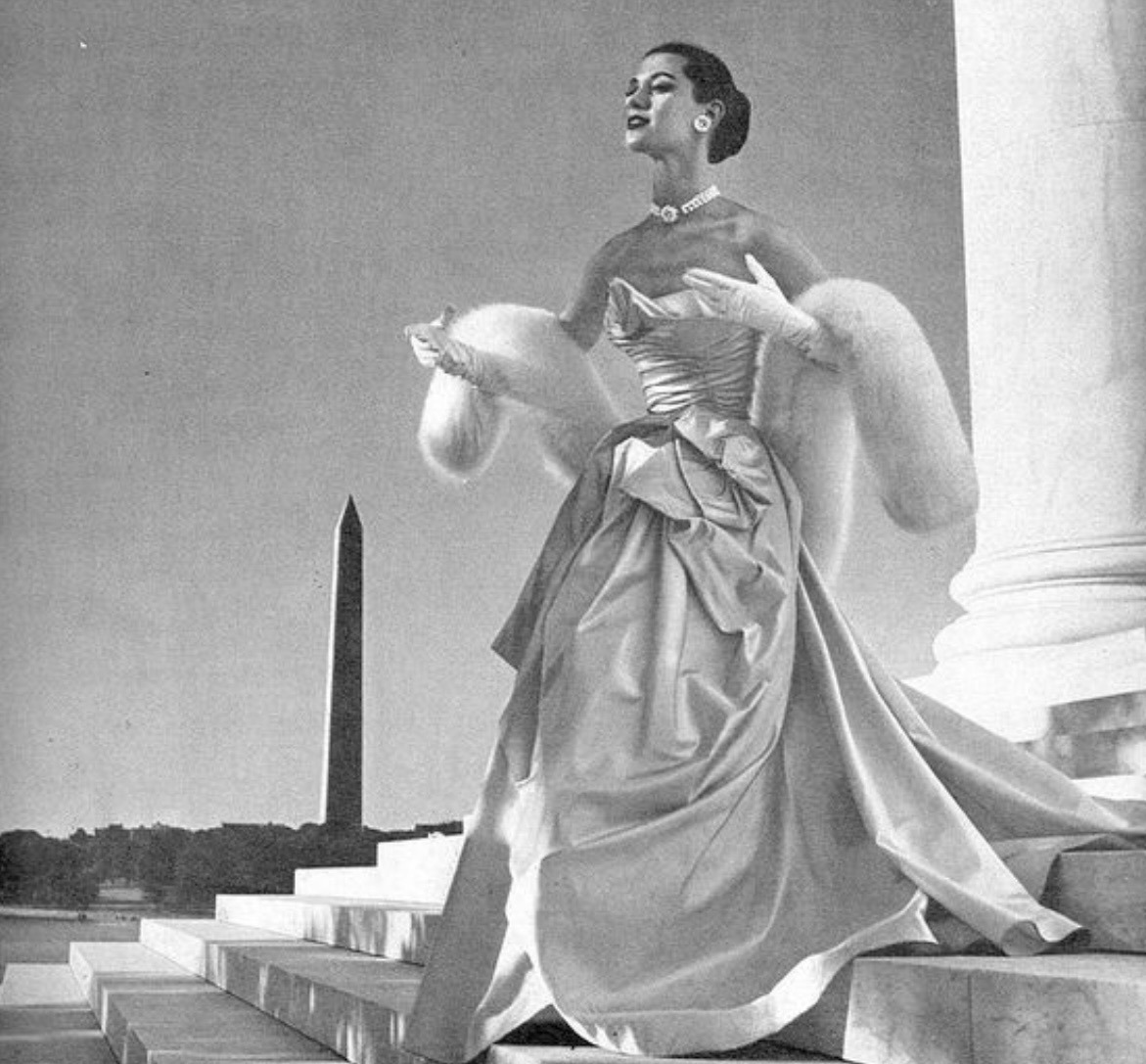
In the late 1930s, Chapman joined the fashion venture Her Ladyship Gowns alongside socialites Gloria Morgan Vanderbilt and Thelma Furness. While the business was short-lived, it was a pivotal career milestone. It was during this time that she met Samuel Chapman—an entrepreneur who would become her husband and business partner.
Their union was both creative and complicated. They married in 1938 and built a fashion empire together, but eventually divorced in 1950. The designer later admitted that being constantly side-by-side and under her husband’s total control became too exhausting. Interestingly, their relationship actually improved after the split, and Samuel remained involved in the company’s operations.
In 1951, Ceil began a new chapter, marrying Thomas Rogers.
Dream Dresses of the 1950s
By the mid-20th century, the name Ceil Chapman echoed through the social circles of New York and Hollywood just as often as the movie stars she dressed. Her gowns didn’t just adorn women; they created unforgettable moments. It’s no wonder Chapman is often cited as one of Marilyn Monroe’s favorite designers. She had a gift for emphasizing femininity without ever crossing the line into vulgarity.
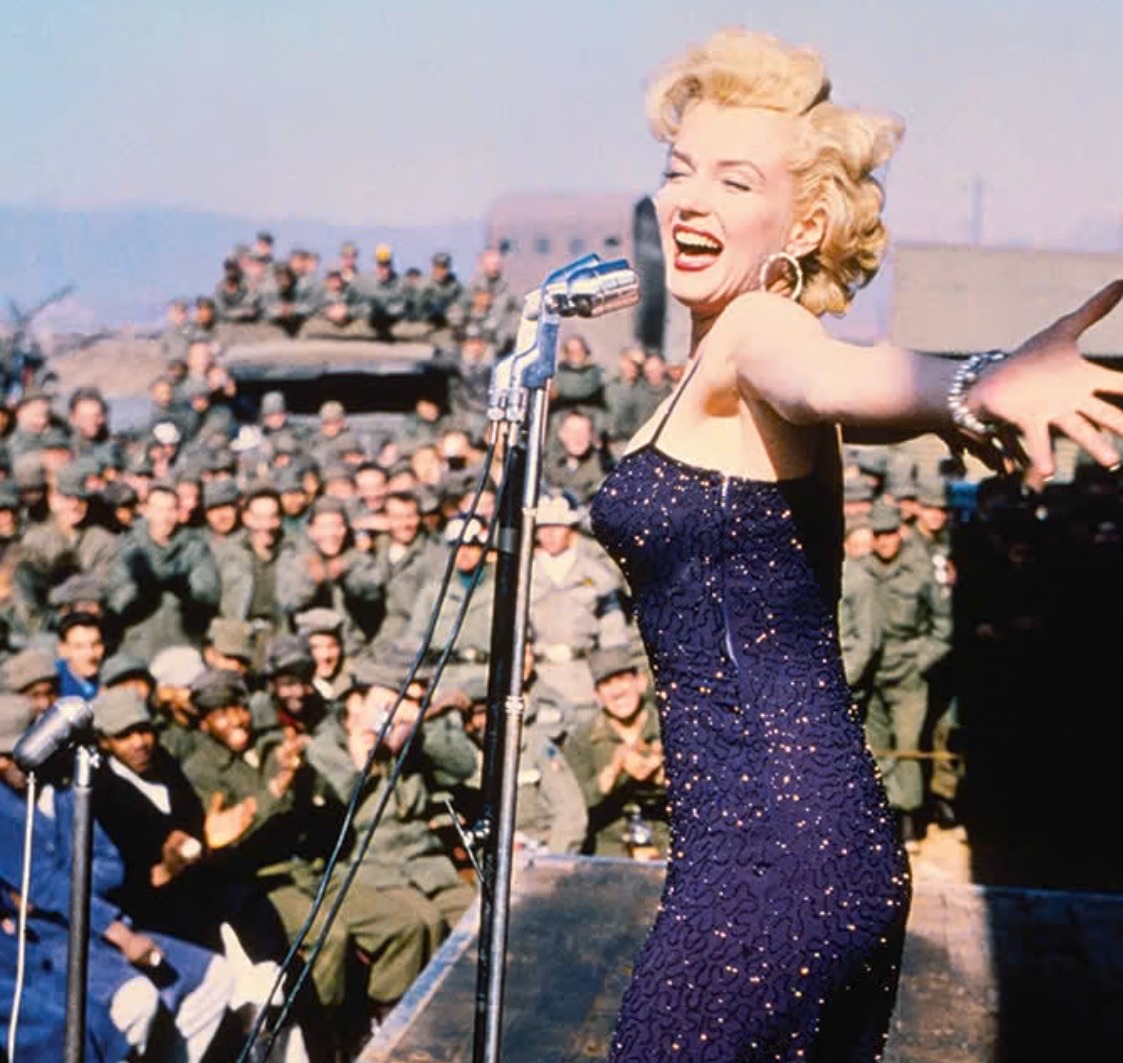
Her client list was a Who’s Who of the Golden Age: from Elizabeth Taylor, for whom she designed a 1950 wedding trousseau, to Grace Kelly, Deborah Kerr, and even Aretha Franklin.
The “Chapman Look” was born at the intersection of haute couture and practicality. She was among those who adapted Christian Dior’s revolutionary New Look into a more wearable, cocktail-ready wardrobe. These “dream dresses,” as the 1950s press called them, dominated New York’s ballrooms, galas, and nightclubs. Her designs became the symbol of American nightlife—built for movement and a life filled with light, music, and social grace. Long-time Vogue editor Grace Mirabella once noted that if you pictured a woman in a nightclub of that era, she was almost certainly wearing a Chapman silhouette.
Crucially, Ceil made glamour accessible. Her dresses cost significantly less than the couture pieces from European houses, yet they looked every bit as spectacular. She was hailed as the designer who brought ballroom luxury within reach of the everyday woman.
But her career went far beyond the runway. Chapman worked in film and television, designed movie costumes, and appeared in high-profile ad campaigns for everyone from Cadillac to Western Union. She intuitively understood the power of personal branding long before it became an industry standard.
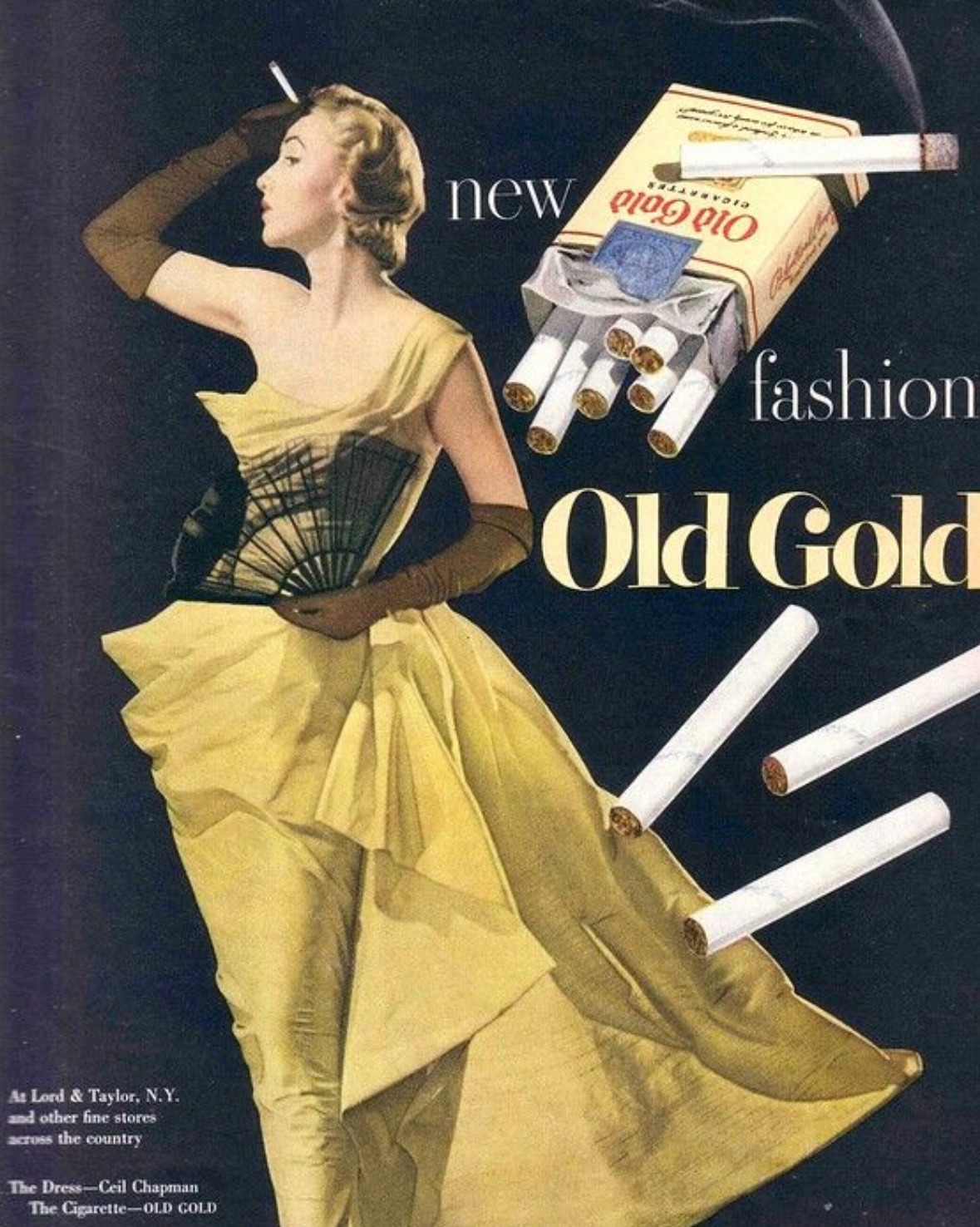
What truly set Chapman apart was her conviction. She famously avoided French fashion shows, refusing to be swayed by European trends. Her mission was to design for the American woman—original, practical, and undeniably elegant. She even applied this sense of contrast to her own wardrobe: she wore nothing but black during the day and was almost always seen in white by evening.
The Architecture of Femininity: The Secrets of the Chapman Style
Ceil Chapman engineered her dresses as if they were architectural masterpieces—built with precision, intuition, and a profound understanding of the female form. Her signature touch, the masterfully draped bodice, became so iconic that she even patented her unique construction techniques. She was fond of saying:
“Male designers create sketches, but women think about the people who will actually wear the clothes.”
It was this practical philosophy that brought her work to life. Chapman revived the bias cut, a staple of the 1930s, but infused it with a modern sensuality. Her gowns skimmed the body naturally, highlighting the silhouette without rigid constrictions. Deep necklines, delicate beadwork, and clever accents on the hips—achieved through pleats, peplums, and decorative flourishes—created looks that were simultaneously bold and refined.
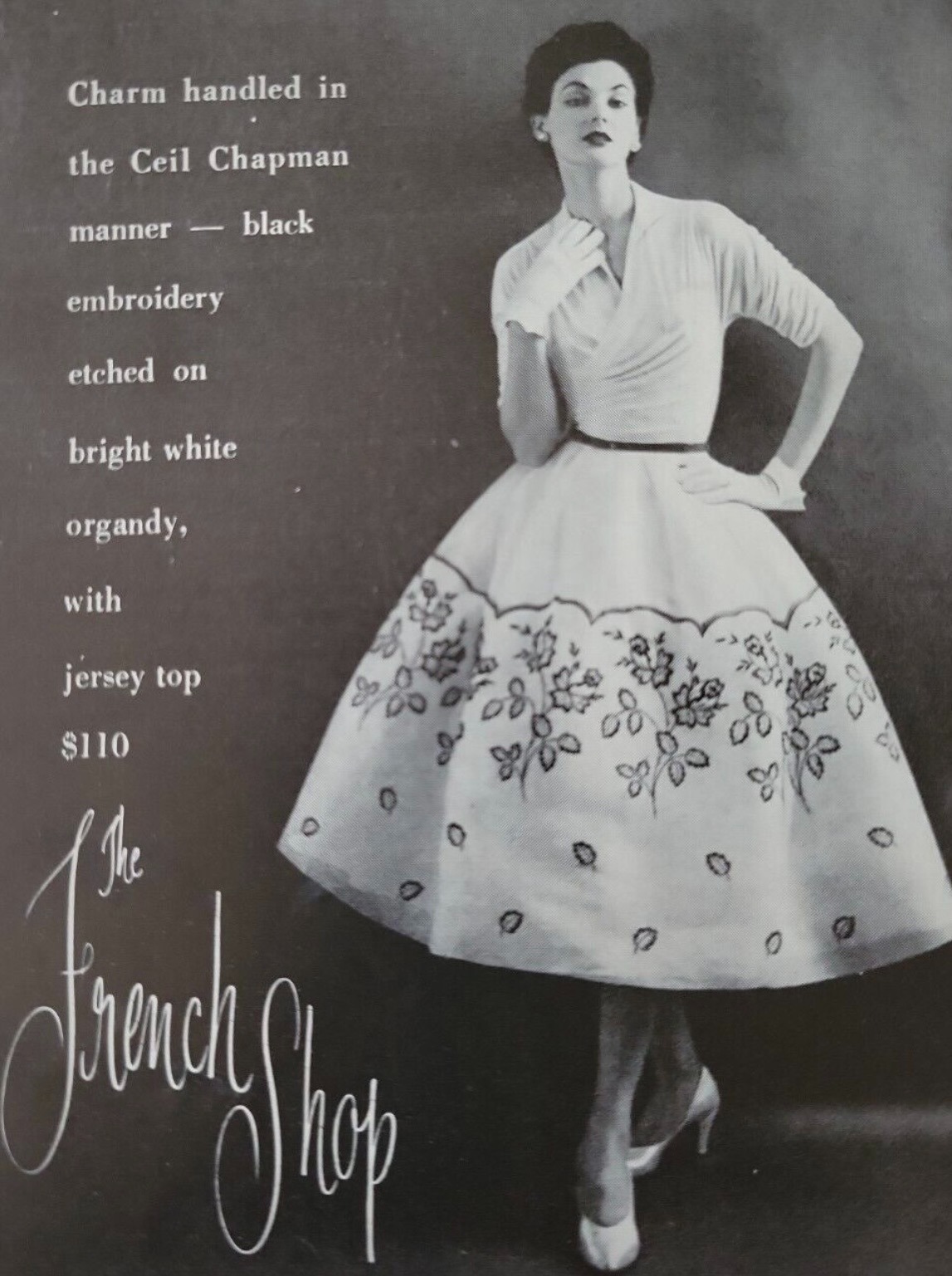
Her aesthetic struck a perfect balance between high drama and quiet restraint. Cinched waists, draped corsetry, and skirts that either flared gracefully or hugged the frame created a sense of fluid motion. She treated fabrics like chiffon, crepe, taffeta, and bengaline as tools for sculpture. In her hands, soft satin became liquid, while sheer chiffon took on a structured, purposeful form.
Color was equally vital to her vision: deep blacks, rich rubies, and icy blues. She kept embellishments sophisticated—delicate lace or a single statement bow. Chapman never over-accessorized, even during the stylistic maximalism of the 1950s.
The End of an Era
In 1945, the designer was honored with the prestigious Coty American Fashion Critics’ Award, followed by numerous accolades for her contributions to American style. This recognition came not just from critics, but from the public itself. By 1955, a national poll of college students named her the most popular designer in the country by a landslide.
Her studio on Seventh Avenue was the heart of the American garment industry. It was the birthplace of the “dream dresses” that defined an entire era. However, fashion is notoriously fickle. By the mid-1960s, the world moved away from polished femininity toward loose, relaxed silhouettes, and Chapman’s business began to lose its footing. She retired from active design in 1965, and a attempted comeback late in the decade failed to recapture her former glory.
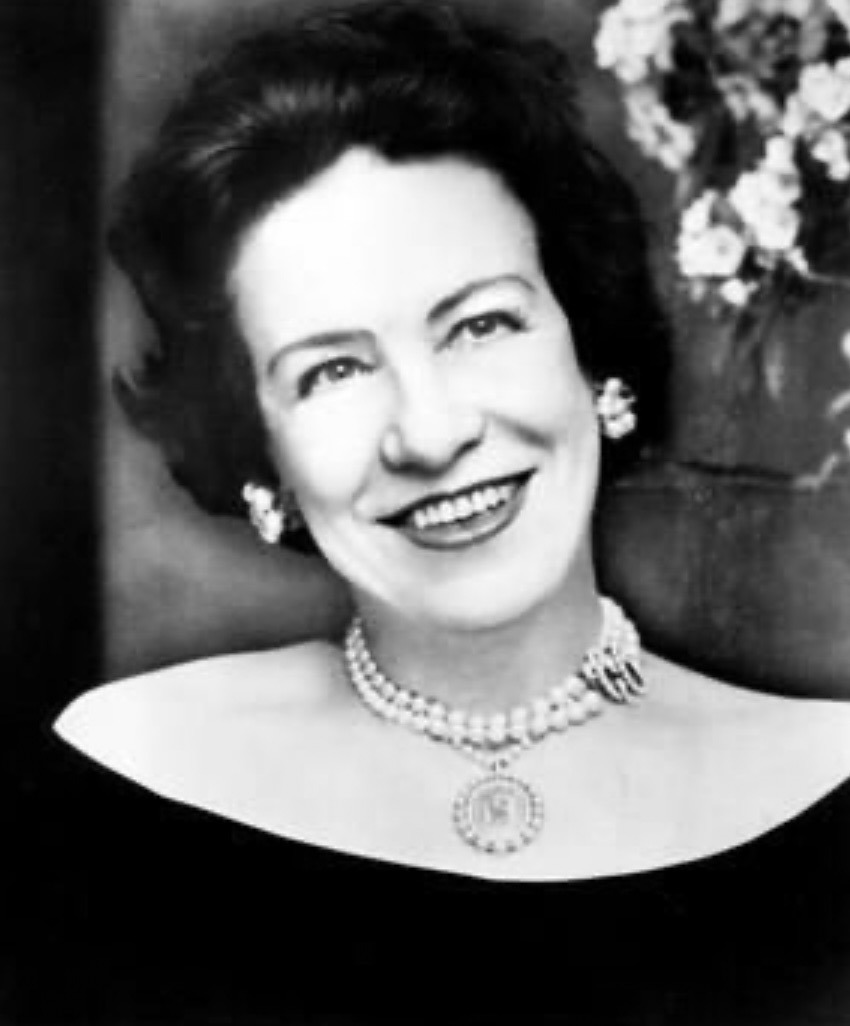
On July 13, 1979, Ceil Chapman passed away in the Bronx after a long battle with lung cancer. Her passing was quiet, almost unnoticed by the general public, lacking the fanfare of major retrospectives or grand tributes. In a tragic twist of fate, she died without knowing that her husband had passed away just days before her.
Vintage as Modern Inspiration
Following her death, Chapman’s name largely faded from the fashion conversation. She left behind no sprawling fashion house or meticulously organized archive. But fashion, much like memory, has a way of coming back around.
Today, her work is being rediscovered in museums, high-end vintage boutiques, and on the silver screen. Chapman gowns are now prized pieces in leading costume institutes, and stylists increasingly look to her silhouettes to recreate the mid-century atmosphere for modern audiences.
Her legacy continues to ripple through pop culture. In 2026, actress Sydney Sweeney made waves at the Santa Barbara International Film Festival wearing a vintage Ceil Chapman gown, effectively channeling Marilyn Monroe’s iconic 1952 Life magazine cover. It was more than a red-carpet moment; it was a return to an aesthetic that refuses to lose its power, even decades later.
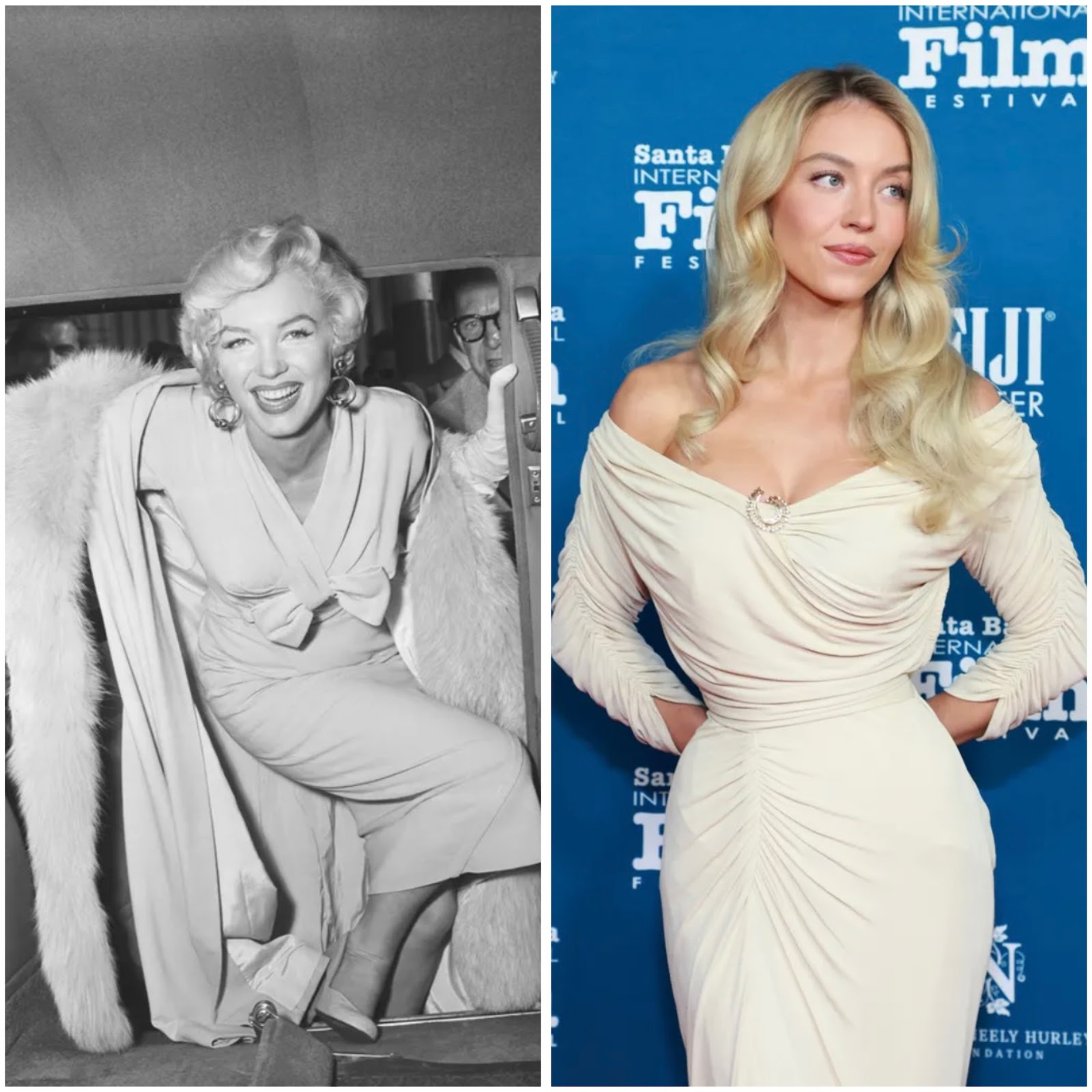
This remains the ultimate testament to her talent. Ceil Chapman didn’t just make dresses; she changed the approach to fashion itself: don’t force the woman to fit the form—engineer the form to fit the woman. That is exactly why her silhouettes still feel so alive today.