

Many residents of the Bronx have conquered the most diverse global fields. The history is filled with outstanding figures who began their journeys in this New York borough. Among them are well-known actors, athletes, scientists and representatives from other sectors. One particularly fascinating area is photojournalism. This special form of journalistic activity requires mastery of numerous skills. A professional must learn all the nuances of photography, be brave and curious and be able to skillfully cover a wide range of events. Such a brave, talented and educated individual was Bronx native Margaret Bourke-White. How did she achieve fame and international recognition as a photojournalist? We will tell you more in our article at bronxanka.com.
The life and creative path of the Bronx native
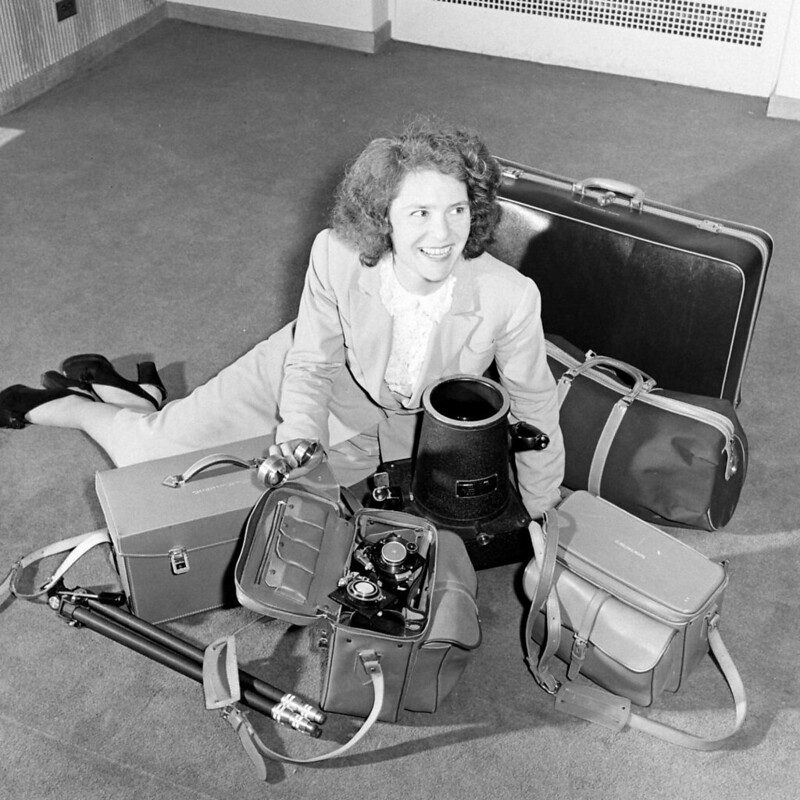
Margaret was born on June 14, 1904, in the Bronx. Her father was a very successful naturalist and engineer, while her mother was the “keeper of the hearth.” From a young age, the girl was a very curious child who eagerly explored everything around her. She loved animals and preferred to spend time surrounded by nature.
In 1922, she enrolled at Columbia University in the herpetology department. The student diligently studied the world of amphibians and reptiles. However, during this period, she became captivated by the field of photography. The girl liked that she could capture all the amazing things and events happening around her. This would later become the focus of her life. She changed educational institutions several times. In 1927, she graduated from Cornell University, one of the largest and most prestigious schools in the Ivy League.
After finishing her studies, she quickly began to build her career. Initially, she began working as an industrial photographer at Otis Steel. This job was a great opportunity for growth, but her soul craved creative accomplishments.
In 1929, she was employed at the American business magazine Fortune. The girl worked there as an editor. Her hard work, innate talent and determination paid off, and Margaret caught the attention of prominent figures in the field. She was also noticed by publisher Henry Luce. The American highly appreciated her abilities and offered her a position at Life magazine. Margaret Bourke-White became the first female photojournalist. The publication was extremely popular in America, making her work widely known to the public. By the way, a photograph taken by Margaret for the cover of Life was later used for printing on postage stamps.
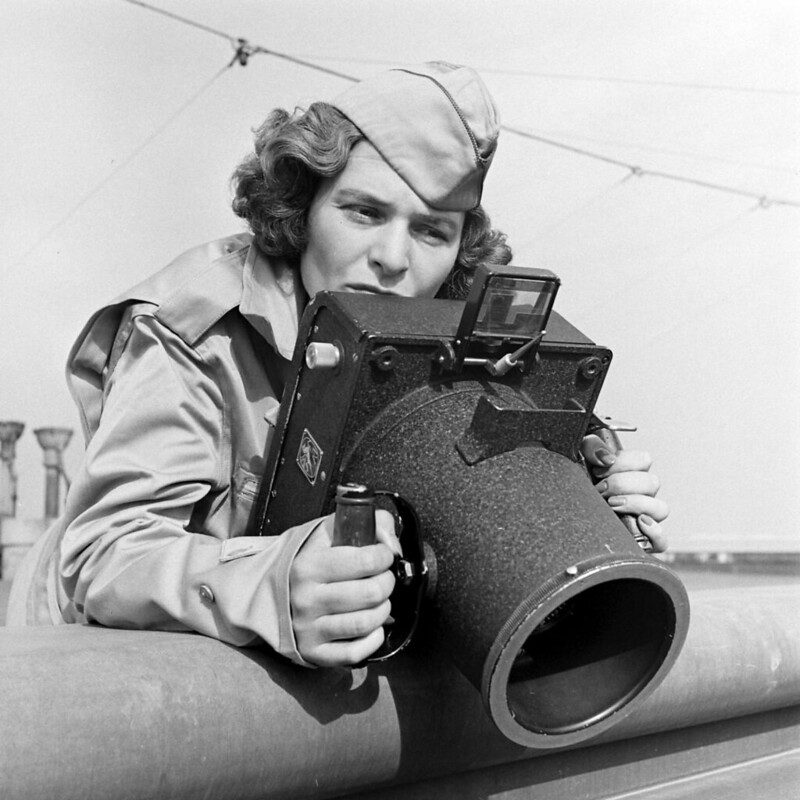
It was at this magazine that she achieved success and completed numerous grand projects. The woman traveled to India, where she covered the struggle of the locals for freedom. This work became very famous and held a prestigious place in her portfolio. Later, she went to South Africa for several months. A photograph of two miners taken at a depth of 1500 meters in extreme heat became one of the most outstanding in her career.
Margaret Bourke-White was definitely not afraid of difficulties and dangers. She acted for the sake of truth and wanted to showcase the pressing realities of the world. It seemed that such a profession was extremely dangerous for a delicate woman. But through her own example, Margaret showed society that it was possible.
During World War II, she accompanied American troops in North Africa, Italy and Germany. Then the journalist even visited the infamous Buchenwald camp. Everything she saw impacted her so deeply that later she published her own book, “Dear Fatherland, Rest Quietly,” dedicated to these horrific events.
Thanks to the works of Margaret, ordinary people were able to witness many historically significant events. She became the “eyes” of the public.
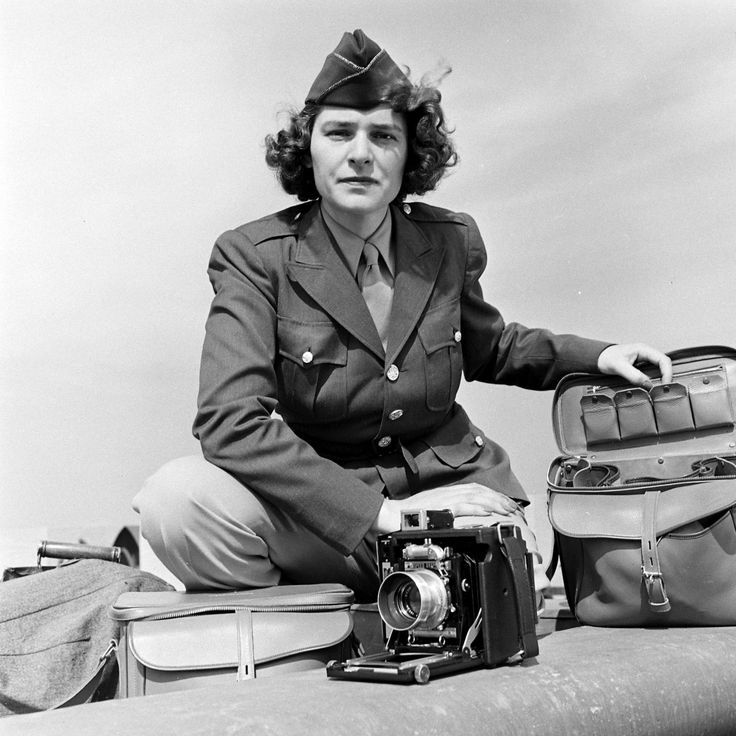
A legacy for future generations
The life of the photojournalist ended in 1971. However, the memory of her and her remarkable achievements will live forever. The native of the Bronx became a worthy example and a source of inspiration for all her followers. Her famous works can be seen at the Brooklyn Museum, the Cleveland Museum, the Library of Congress and other institutions. Books by Bourke-White are also available to read. By exploring her biography and works, one can gain a deeper understanding of the field of photojournalism and delve into its study. It is evident that this field is an extraordinarily interesting and important world.