

She is credited with blending streetwear and hip-hop style with high fashion and for pioneering a female perspective in an industry long dominated by men. June Ambrose is an American costume designer, stylist, and creative director who grew up in the Bronx and gained recognition as one of the most influential figures in fashion and music. Let’s delve into her life story in bronxanka.com.
A Childhood Dream and the Path to Making It Real
June Ambrose was born in Antigua in June 1971, but her real childhood began after her family moved to the Bronx. There, in a small one-bedroom apartment, she grew up with her mother, older sister, and grandmother, who, according to June, instilled a sense of glamour in her. Her mother, Eurydice, a nurse by profession, would sew dresses for her daughters in her free time. It was during these moments that June developed her first sense of style. As a small child, she began transforming ordinary items into fashion statements. She cut up her grandmother’s curtains to make outfits for her Barbies, and in the first grade, with her teacher’s permission, she organized her own fashion show.
“All the parents dressed their kids up in suits and dresses, and they walked down the hall,” June recalled.
This impromptu fashion show was her first taste of triumph. The girl was observant; she would study people’s clothes and mannerisms on the subway, looking for inspiration. She was drawn to theater and, as a teenager, enrolled at the Talent Unlimited High School in New York, where she studied acting. There, she discovered costume as a language for character and identity, realizing that clothes could tell a story just as powerfully as words.

After high school, Ambrose spent two years in the world of finance, working at an investment firm. This decision might seem random, but it was there that she learned the financial discipline and entrepreneurial skills that would later become the foundation of her own business.
“They taught me how to be accountable and how to think like an entrepreneur,” she later said.
Despite her office job, her life remained full of art. June danced, acted in theatrical productions, and always felt that her true path was a creative one. She sought a more practical application for her creativity and looked for opportunities in the music and entertainment industry.
Even then, it was clear that this girl wasn’t just sewing dresses from scratch; she was crafting her own story, one that would one day change the world of fashion.
A Bold Leap into the World of Music and Fashion
After two years in finance, June Ambrose made a decision: numbers and bank statements were not her destiny. She left her stable job to help a high school classmate who worked in the marketing department at Uptown MCA Records. To many, it seemed like a risky move, but for June, it was a doorway into a world where fashion could become a real profession. At this time, hip-hop was gaining momentum, transforming from a street phenomenon into a central element of pop culture. Ambrose felt this was just the beginning of a bigger story, and she had to be part of that wave.
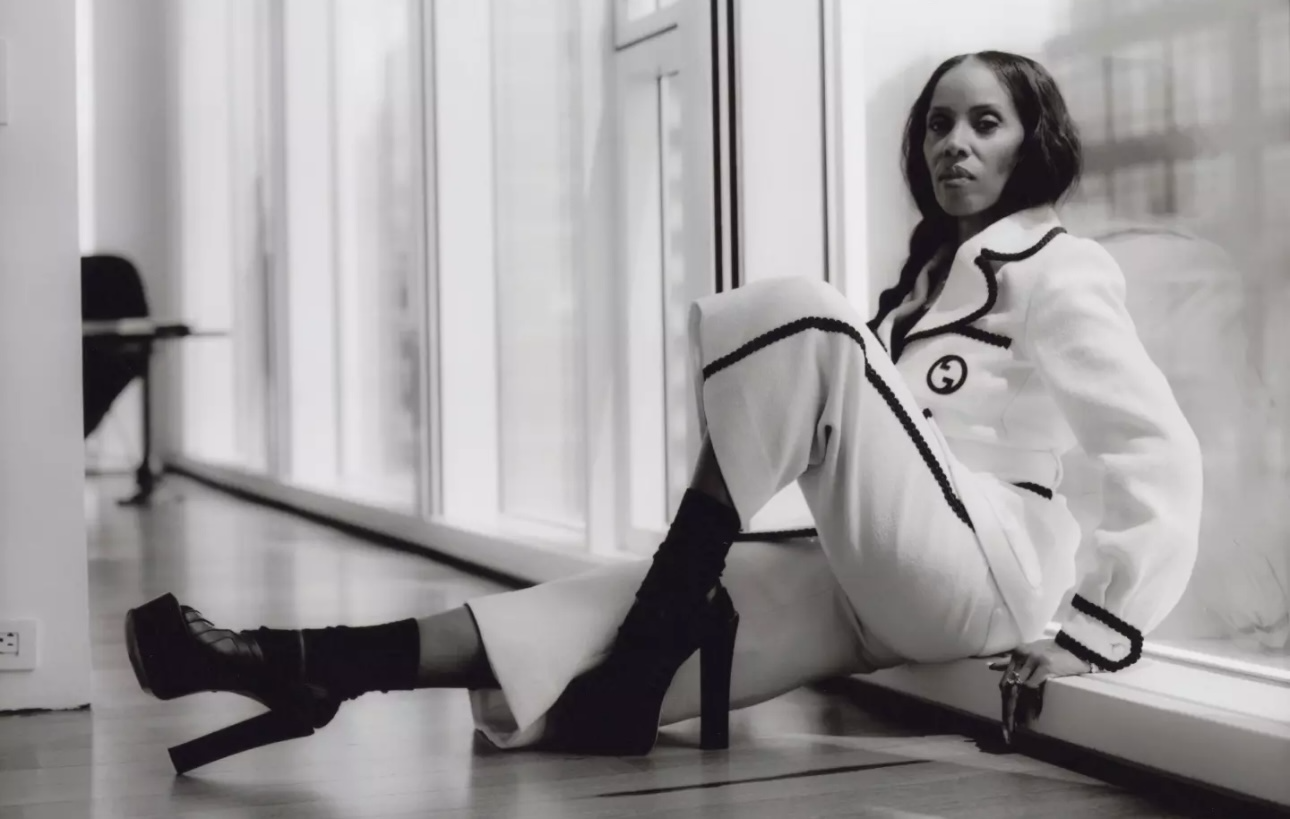
Her internship at MCA quickly bore fruit—her talent was noticed, and her career began to blossom. Her next challenge was the brand Cross Colours. Its founders, Carl Jones and Thomas “TJ” Walker, were looking for someone to promote the brand on the East Coast and entrusted the job to June. She took charge of advertising, marketing strategy, and working with artists, turning the brand into a cultural symbol.
“My mom was like, ‘You left a stable job for an internship at a music company?’ But that job gave me confidence and the opportunity to make money,” she recalled.
The risk paid off. Ambrose began to merge her love of costumes with the rhythms of rap, creating iconic looks that would become legends. One of the most memorable moments was her early collaboration with Jay-Z. For the music video of Feelin’ It from his debut album, Reasonable Doubt, she created a yellow linen suit that was a bright flash against the backdrop of tropical Jamaica. It was more than just clothing; it was a statement.
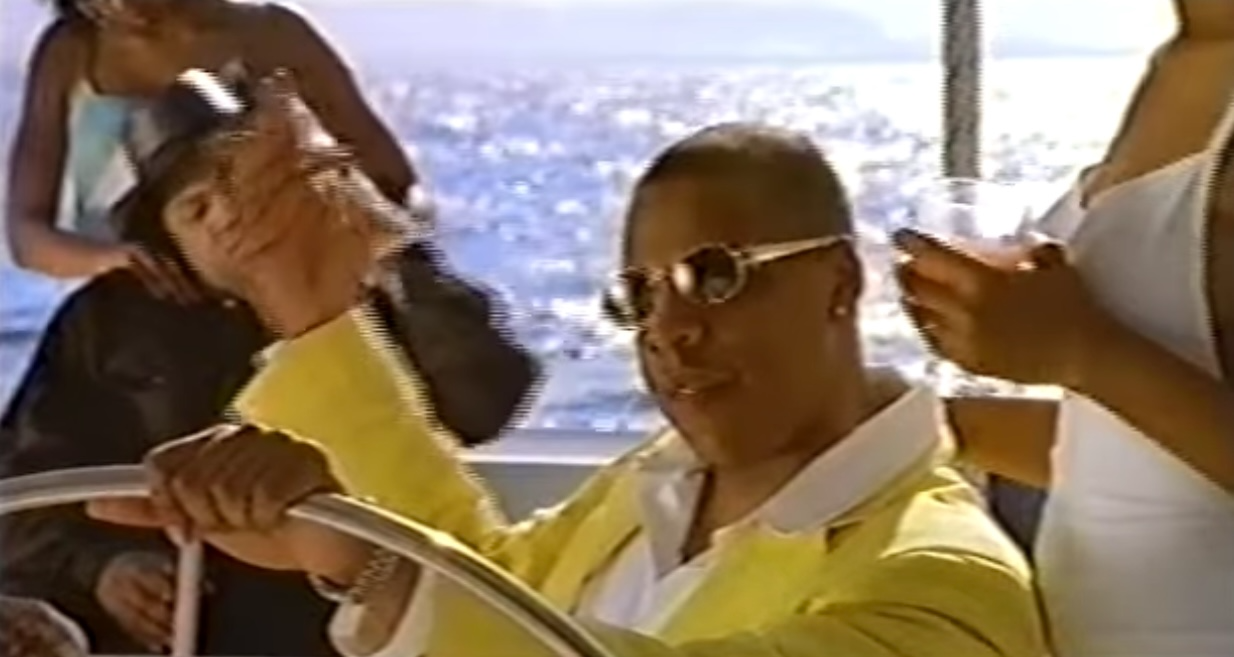
Music journalist Soumya Krishnamurthy recalled:
“Ambrose challenged rappers to take risks with their style, and because of that, hip-hop culture became bolder and more sophisticated.”
Her imagination, inspired by Japanese anime and old films, immediately set June apart from others. What started as an internship turned into a rapid career ascent. She was now dressing artists for world tours and creating fashion that changed not only the look of musicians but the face of an entire culture.
The Magic That Changed Hip-Hop
In the second half of the ’90s, June Ambrose’s career was in full bloom. She was no longer just experimenting with style; she was creating the language that hip-hop spoke. Her partner in this quest was director Hype Williams. Together, they were a team that understood each other without words.
“We finished each other’s sentences; we supported each other and fought for each other,” June recalled.
This collaboration gave birth to visual images that became iconic. One such moment was the music video for Missy Elliott’s The Rain. The black vinyl bubble suit, designed by Ambrose, completely changed the perception of a stage look in rap.
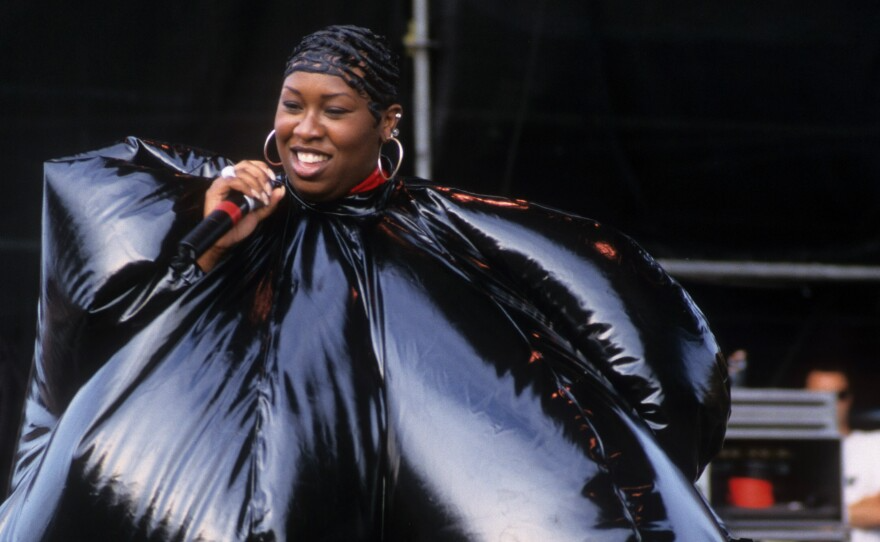
“Who would have thought of a suit like that?!” Elliott said. “It set the tone for my career, both musically and visually.”
It was thanks to this risk and audacity that Missy and June created incredible videos. Ambrose was always looking for ways to push boundaries. She worked with Elliott and Williams on another video, using special effects and prosthetics—something that seemed unbelievable for a hip-hop video at the time. June was a pioneer in a world where fashion houses were not yet ready to open their archives to rappers. She created things herself, never waiting for permission from big designers; she forged the artists’ styles herself.
By 2021, Ambrose’s portfolio included over 200 music videos. Among them were legendary looks: Sean “Diddy” Combs’ white suit from Mo Money Mo Problems and Busta Rhymes’ colorful kaftan from Put Your Hands Where My Eyes Could See.

Her client list ranges from Jay-Z and Mary J. Blige to the Backstreet Boys, Will Smith, Mariah Carey, Alicia Keys, Jamie Foxx, Jason Derulo, and even Zoe Saldaña.
Her connection with Jay-Z remained special. Ambrose created his stage looks for decades: from his early music videos to the massive On the Run tours and the visual album Black Is King. For a rapper who became a global icon, she was the one who shaped the language of his style.
Her work extended far beyond music videos. In 1998, Ambrose created costumes for Hype Williams’s film Belly, was a stylist on The X Factor (2011), launched her own reality show Styled by June (2012), and published the book Effortless Style (2006).
Ambrose has always emphasized that her process is not just about picking out clothes. It’s the entire direction of a look. She starts with a mood board, works with cinematographers and makeup artists, and considers colors, textures, and even how fabric reacts to light.
“I want to know what story the hair, the makeup, the camera will tell. It’s always about a full narrative,” she explains.
That’s why her style isn’t copied—it’s felt.
Puma, Women’s Basketball, and the New Street-Luxe Style
In 2020, June Ambrose took another unexpected step in her multifaceted career: she became the Creative Director of Puma Hoops. At that point, Jay-Z was already collaborating with the brand as the creative director of their basketball division, and he introduced Ambrose to Puma’s leadership. For the designer, this was a new challenge: to translate her vision, honed in hip-hop and on stage, into the language of sportswear.
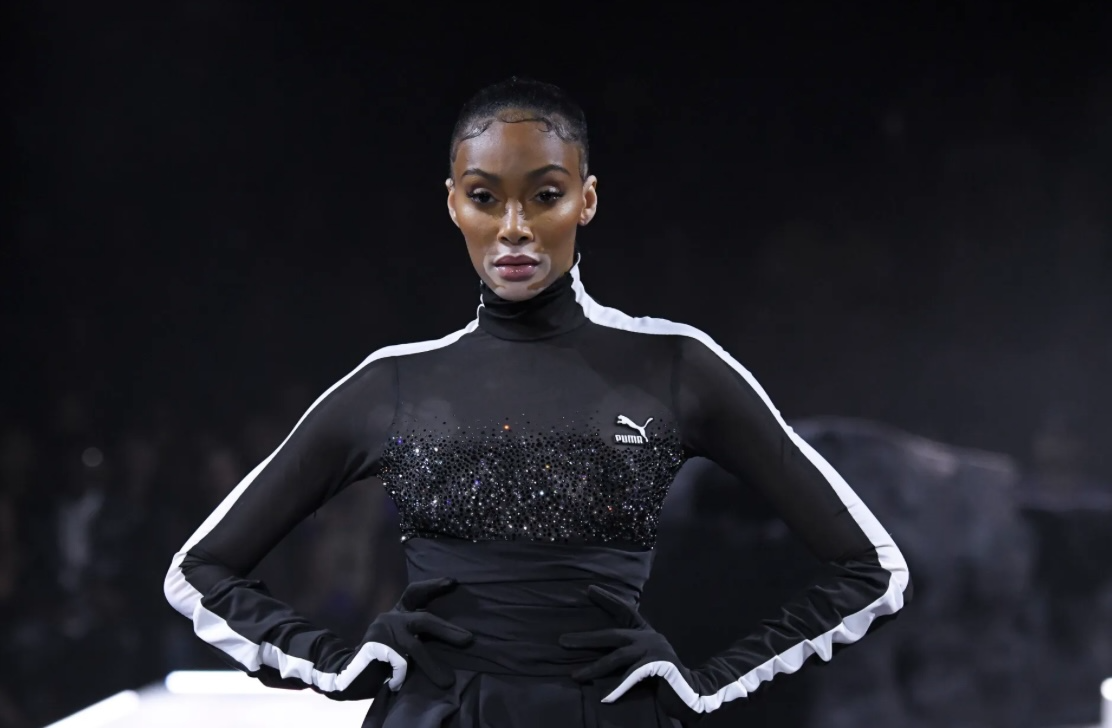
In December 2021, Ambrose presented High Court, the first women’s basketball collection in Puma’s history. The 25-piece collection blended a sporty spirit with a feminine approach to style. This event was a breakthrough; women finally had their own space in the world of basketball fashion.
In 2023, June solidified her success by releasing the Keeping Score capsule collection. It was a true manifesto of duality: sport and glamour, street and runway, strength and tenderness.
“I wanted to show that luxury and a tracksuit can exist on the same plane,” Ambrose explained. “We wear our favorite hoodies with heels, sneakers with chiffon dresses. This is the new language of style.”
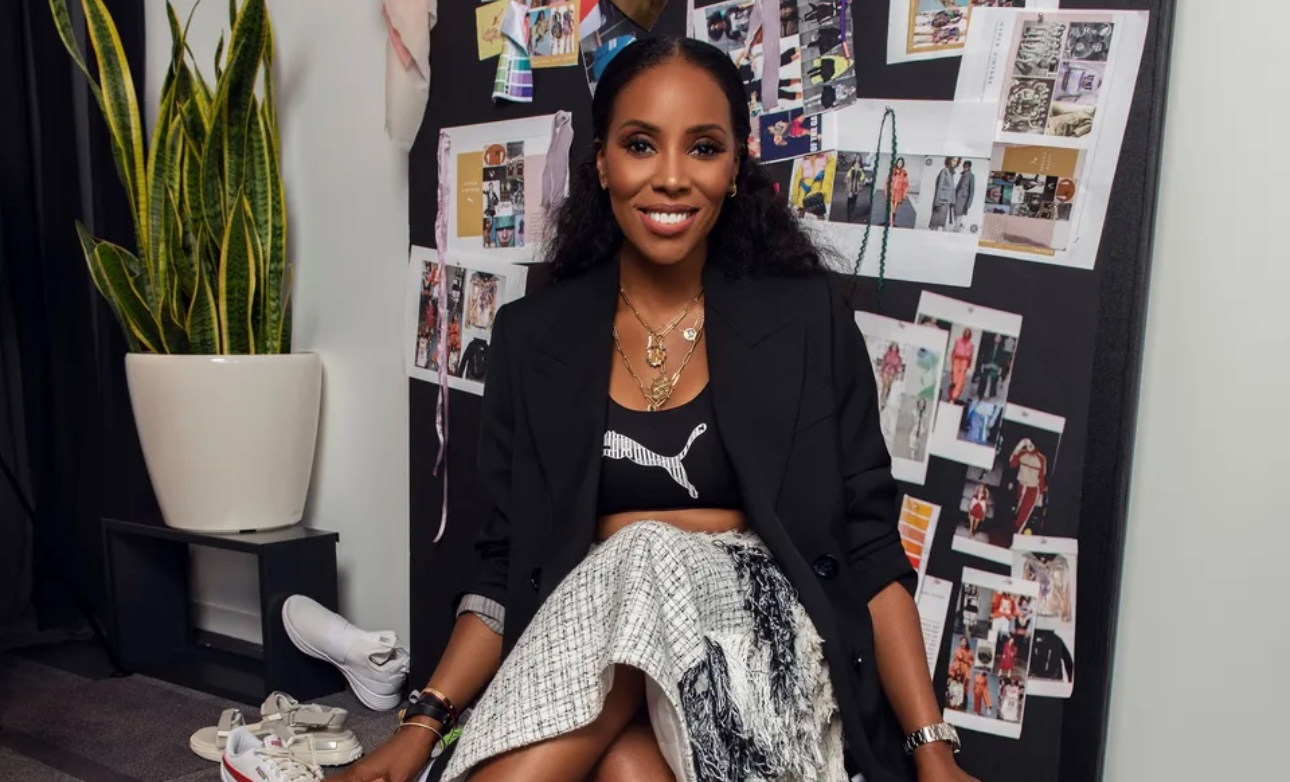
June Ambrose’s approach to fashion remains consistent. She always sees global high fashion in urban culture. And just as she did with hip-hop, Ambrose knows how to feel what’s coming next. Her career proves that style can rewrite history, cross boundaries, and create new opportunities for those who were previously behind the scenes. Ambrose’s contribution to fashion and culture cannot be reduced to a single title—stylist, designer, or creative director. She is more like an architect of style who has shaped the look and sound of hip-hop for decades.