

Most nations have traditional attire—think kimonos, saris, or embroidered tunics. But the Bronx has a different story. Here, the “national costume” wasn’t born in royal courts or elite ateliers; it was forged on the pavement. It was created by young people looking for a way to scream their identity through music, art, and raw style.
In this article on bronxanka.com we explore how a specific street style emerged in the South Bronx during the 1970s and evolved into a global fashion powerhouse.
The Bronx as the Cradle of Streetwear: How Hip-Hop Changed the Game
In the Bronx, fashion has always been a language of self-expression. What started as modest displays of individuality eventually sparked revolutionary innovations that rippled through the entire fashion world.
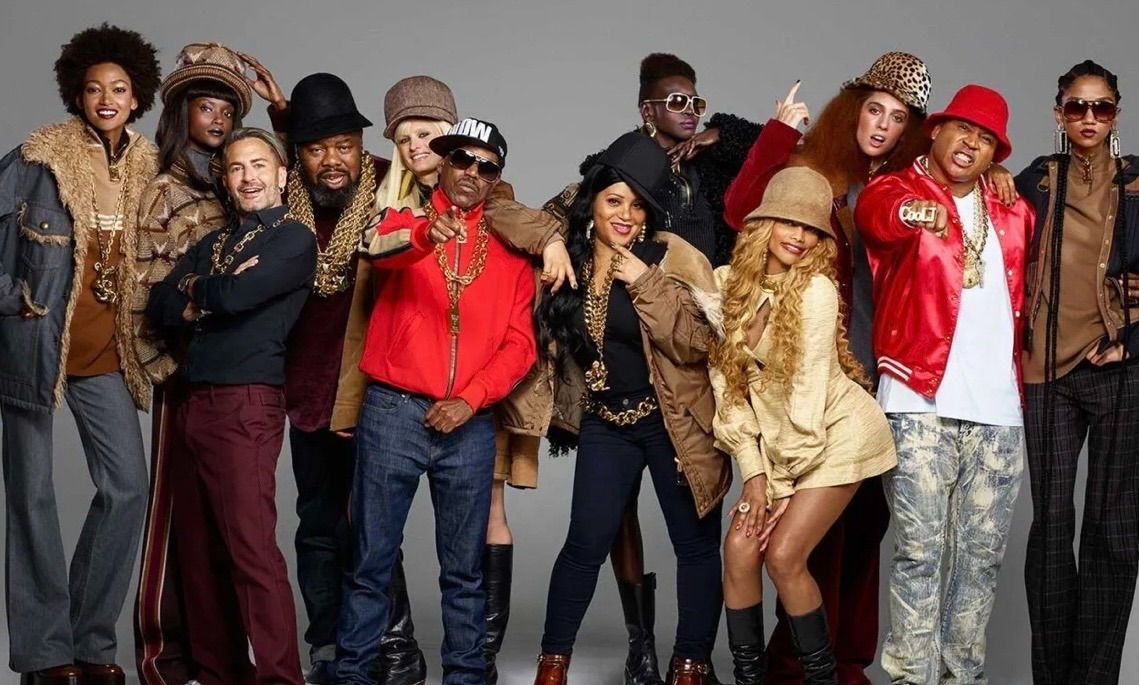
The old adage “one man’s trash is another man’s treasure” takes on a special meaning here. As a melting pot of cultures and the birthplace of new music, the Bronx became a playground for American fashion innovation. Its cultural status solidified in the 1970s as rebellious youth set the tone for new trends. However, streetwear’s roots go deeper, drawing from New York’s great fashion movements like the Harlem Renaissance.
The vibrant, colorful attire of 1920s and 30s Harlem—zoot suits for men and bold flapper dresses for women—established an early idea: clothing can be a challenge, a protest, and a statement. The Bronx didn’t just witness these changes; it electrified them.
Eventually, musical innovations—jazz, rock-n-roll, reggaeton, and salsa—began to dictate the look. The Bronx was at the epicenter: jeans, tank tops, baseball caps, and flashy jewelry popularized by musicians became the bedrock of modern street fashion. What was once considered “out there” or unacceptable became the norm. Yankees caps, distressed denim, and fresh kicks became deeply rooted in the borough’s DNA.
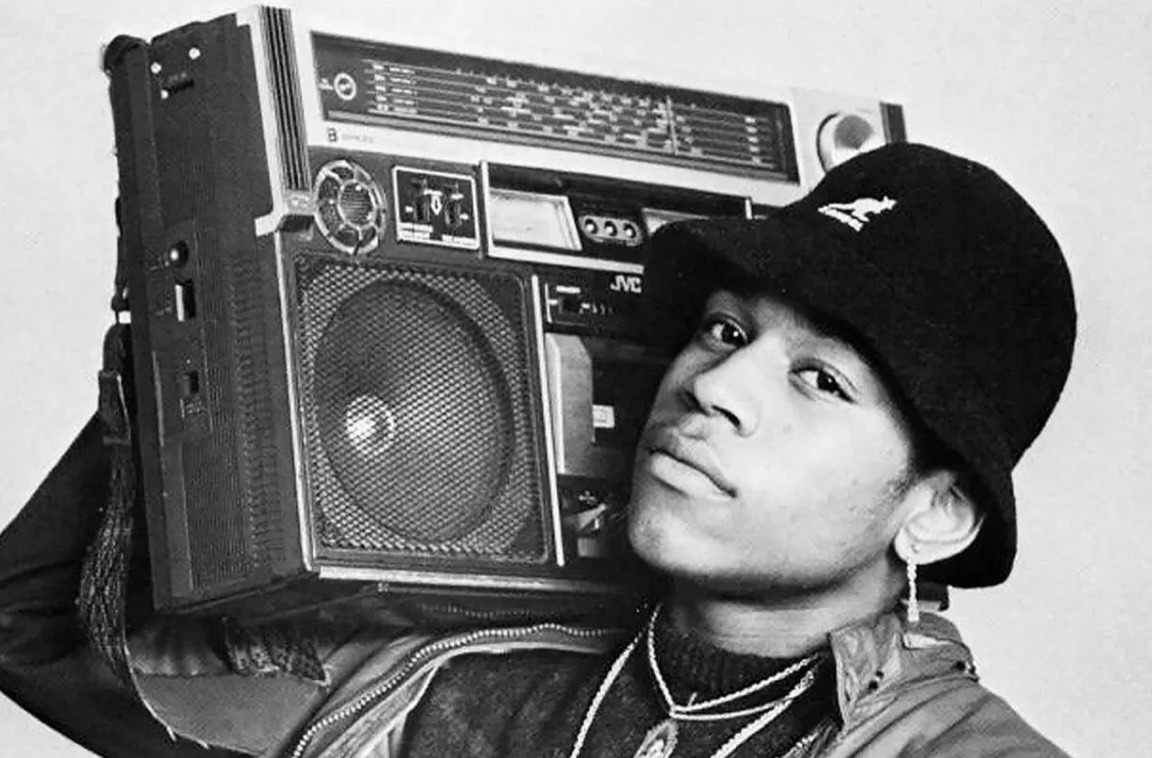
By the 1970s, hip-hop had already established its own aesthetic at Bronx house parties. Crucially, hip-hop fashion didn’t belong to a single person—every DJ, rapper, and dance crew contributed their own flair, creating a look that was unified yet fiercely individual.
Style that Broke the Rules: Hip-Hop Fashion in the ‘80s and ‘90s
The 1980s were an explosion of boldness. Run-DMC hit the stage in denim jackets, black fedoras, and iconic laceless Adidas, creating a look that was instantly recognizable. Their style proved that hip-hop wasn’t just something you listened to—it was something you wore.
A historic moment occurred at Madison Square Garden when the group performed “My Adidas.” It led to the first-ever major endorsement deal between a sportswear company and a musical act, forever linking hip-hop with athletic gear. Adidas began producing a dedicated line of sneakers and tracksuits with the group, changing the intersection of music and commerce forever.
Meanwhile, LL Cool J was busy popularizing the “B-Boy” look, bringing bucket hats, massive gold chains, and baggy silhouettes to the forefront, proving that fashion and the art of the dance were inseparable.
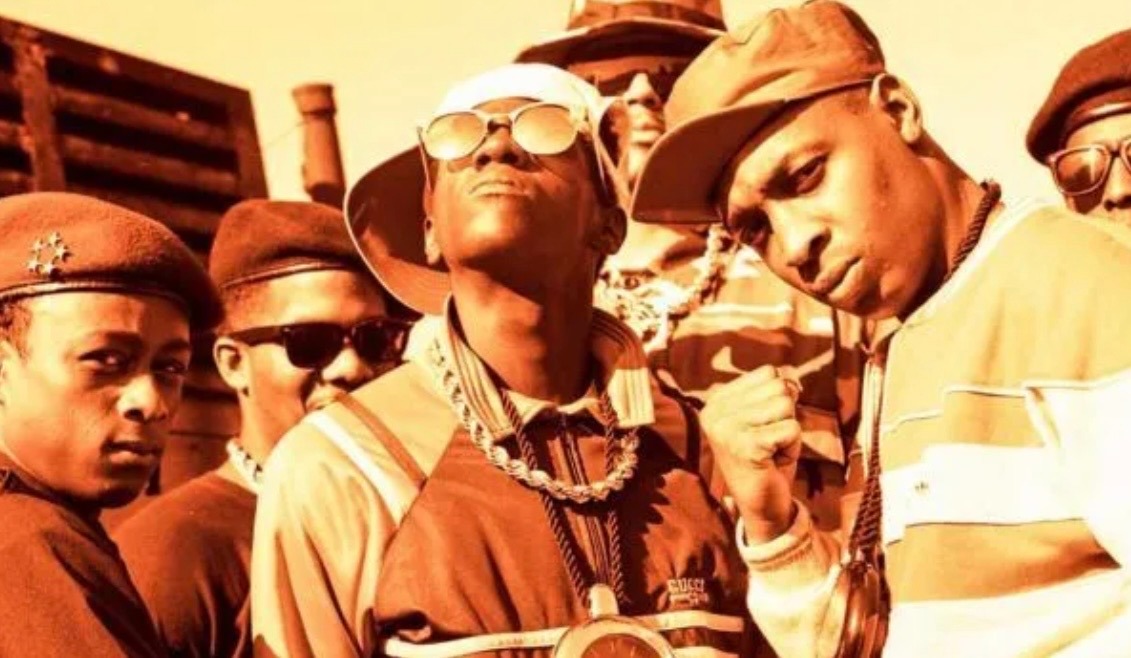
At the same time, “street high fashion” was emerging in the Bronx and Harlem. Daniel “Dapper Dan” Dayopened his boutique in 1982, famously “remixing” luxury labels with street silhouettes. His clients included Big Daddy Kane and Biz Markie. His bold creations—like Louis Vuitton-monogrammed caps—made luxury accessible to the streets and showcased a hunger for status and style. While Dapper Dan integrated Afrocentricity and bright prints, Public Enemy utilized camouflage and military elements to turn fashion into a statement of anti-establishment struggle.
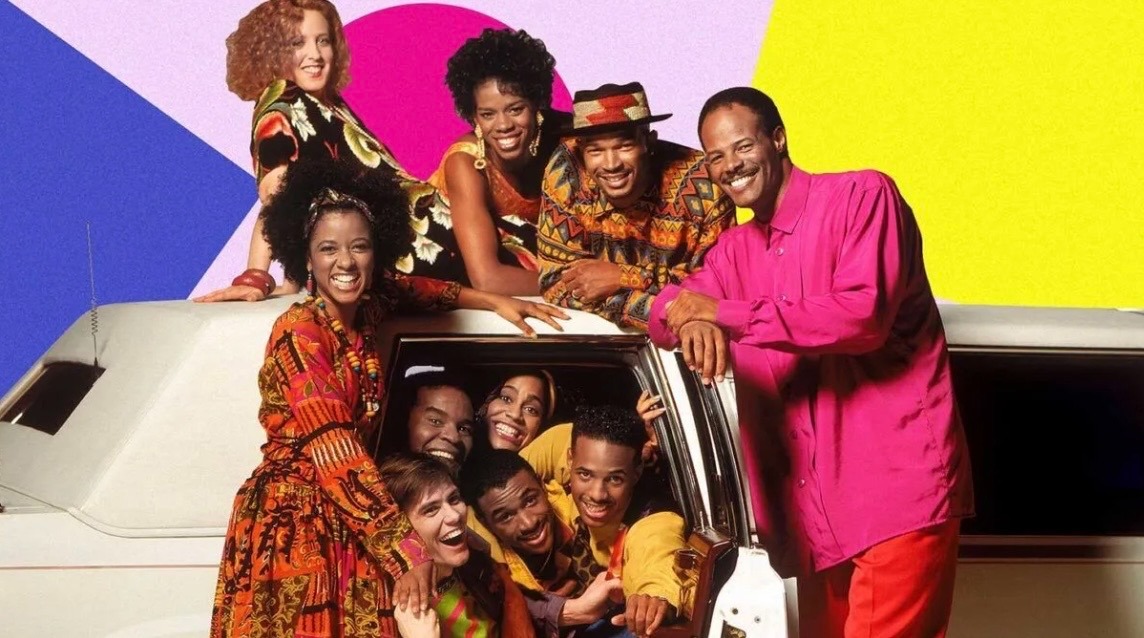
In the ‘90s, MTV pushed hip-hop fashion into the absolute mainstream. R&B groups like Boyz II Men and icons like The Notorious B.I.G. brought bold colors and oversized silhouettes to mass culture. The market shifted as “for us, by us” brands emerged: Cross Colours, FUBU, Sean John, and Karl Kani. Cross Colours, for example, met the massive demand for baggy denim, generating millions in its first few years and becoming a staple for Black celebrities.
Simultaneously, the rise of West Coast Gangsta Rap, spearheaded by NWA, introduced bandanas and gang-affiliated color symbolism into the mix, completing the complex puzzle of what we now know as streetwear.
From the Stage to the Runway: A New Era of Hip-Hop Fashion
At the turn of the millennium, it became undeniable: hip-hop was no longer just a music genre—it was a full-blown style industry. The doors to high fashion swung wide open, and for the first time, celebrities began collaborating with major brands on a massive scale. Rappers set the tone, and the public instantly mirrored their looks. Starter jackets, fitted caps, and Champion hoodies became the new “uniform” of urban culture.
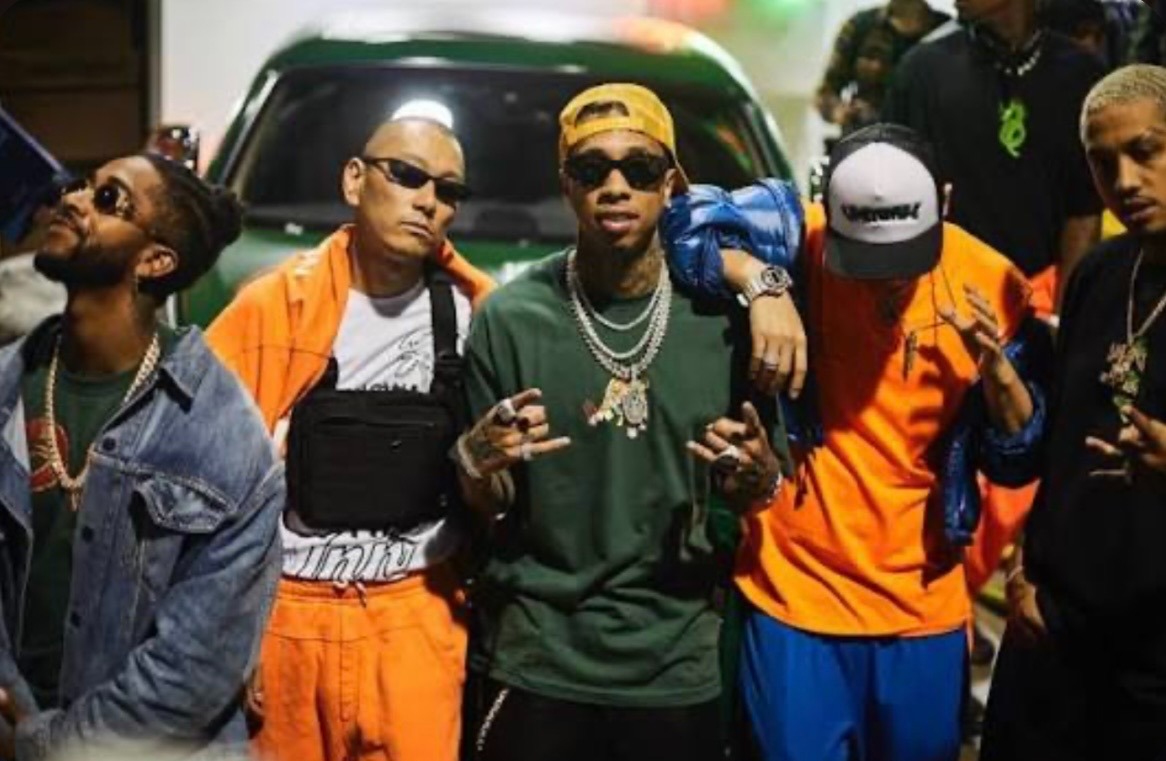
As hip-hop hit the absolute mainstream, the market was flooded with artist-owned labels. Competition was cutthroat, and not everyone survived the hype. However, Sean John, founded by Sean “P. Diddy” Combs, became a standout exception. In 2004, Combs made history as the first African-American designer to receive a menswear award from the Council of Fashion Designers of America (CFDA).
Despite the heavy commercialization, the raw street aesthetic never faded. If anything, it became more pronounced: oversized tees, baggy jeans, and massive belts remained staples. Traditional gold chains made way for grills, tattoos, and bold new forms of self-expression.
In the following decade, the line between the street and the runway virtually vanished. Kanye West became a central figure in this transformation—transitioning from a collaboration with A.P.C. to a historic partnership with Adidas and the launch of Yeezy, a project that fundamentally changed modern fashion.
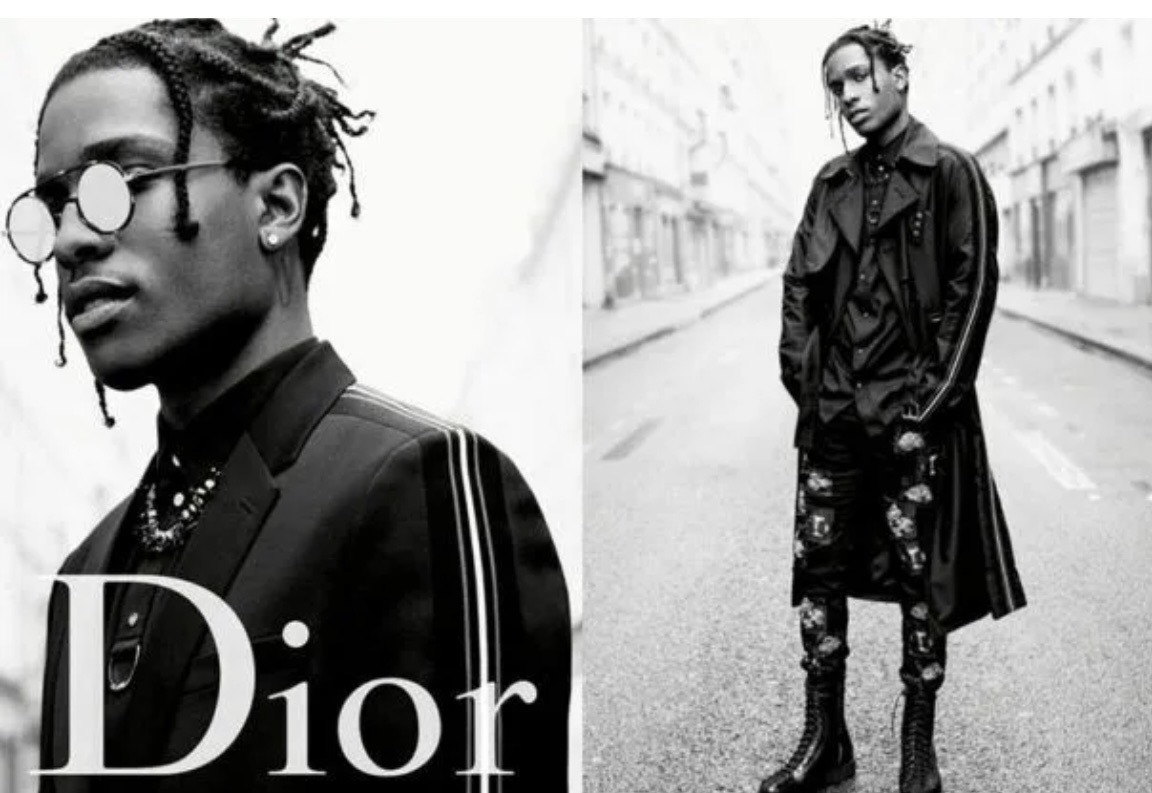
Alongside Jay-Z, West forged a new aesthetic: understated, clean, yet still deeply rooted in street culture. This style was embraced by new icons like A$AP Rocky and Pharrell Williams, who began actively collaborating with heritage houses like Dior and Calvin Klein. Simultaneously, high fashion began moving toward hip-hop. High-end runways were suddenly filled with tracksuits, oversized chains, and 80s-inspired aesthetics—trends that were originally born on the blocks of the Bronx.
New Generation, New Trends, Same Spirit
Hip-hop continues to be a dominant force in modern style, and today, its spirit lives through a new generation of artists. Cardi B, for instance, expertly blends high-fashion glamour with gritty street aesthetics, experimenting with avant-garde shapes and fabrics. The Bronx style has long outgrown its local origins; it has become a universal language of self-expression, adopted by musicians, designers, and media personalities worldwide.
Streetwear remains a platform for individuality. Every hoodie, every rare pair of sneakers, and every graphic tee is a personal manifesto—embodying the freedom, rebellion, and creativity that define the culture.
A$AP Rocky continues to blur the lines between sport, fashion, and culture with his projects for **Puma**. Rappers are now taking full control, launching their own brands like Young Thug’s **Sp5der** or the A$AP Mob’s VLONE, proving that artists can shape the industry at the runway level. Global influencers like Rihanna, Wiz Khalifa, and Kerwin Frost continue this tradition, erasing the final boundaries between streetwear and luxury.
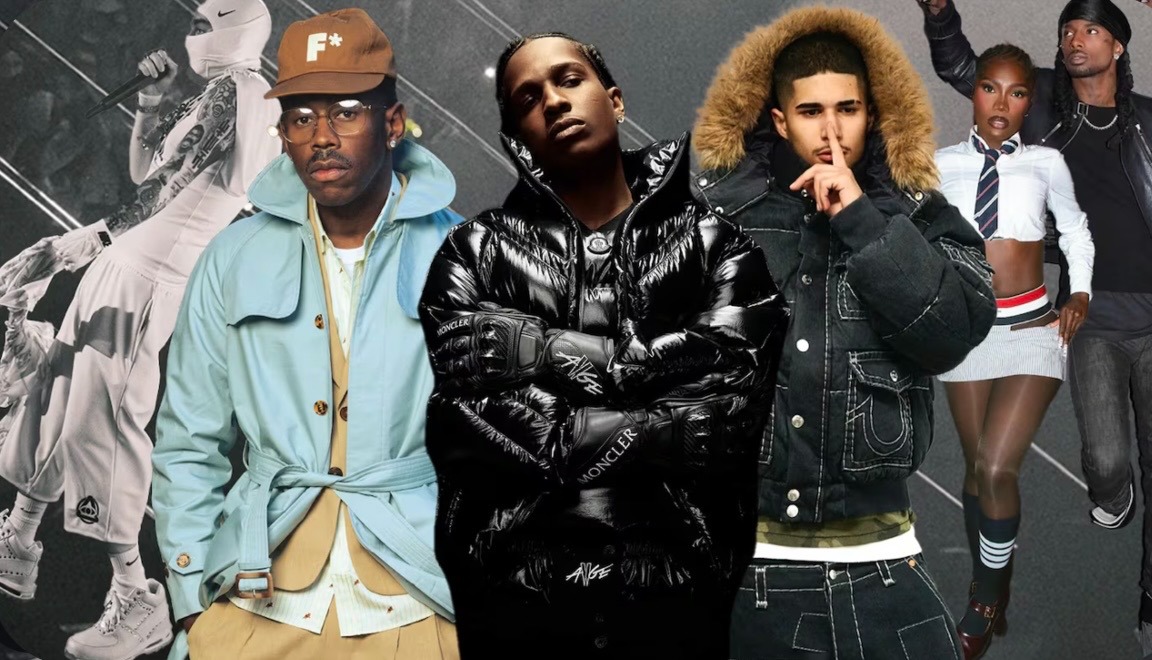
Ultimately, the Bronx style is the modern urban “national dress.” It has no fixed form; it is a living, breathing entity that evolves with the culture while remaining symbolic and community-focused. The Bronx proved that fashion doesn’t need a prestigious runway to be influential—sometimes, all it takes is a street, a beat, and the courage to be heard. That is how a local look becomes a global legend.