

The COVID-19 pandemic has exacerbated the mental health crisis, making the need for quick access to support even more urgent. For residents of low-income areas, particularly the Bronx, getting timely help has always been difficult, hampered by months-long wait times and a lack of resources. Here’s on bronxanka.com how the model for emergency psychiatric care has changed and where to get it in the Bronx.
Mental Health in the Bronx: Challenges and New Needs
Mental health has always been a sensitive topic for New York City, but the COVID-19 pandemic turned it into a major public problem. Almost half of young adults (ages 18-34) have reported struggling with their mental health, and a quarter of them feel hindered in their access to necessary support.
In the Bronx, the situation is especially complex. The borough ranks last—62nd among all counties in the state for overall health. Despite a high level of need, only 43% of residents in crisis actually use mental health services. This is significantly lower than in Manhattan (69%) or Staten Island (71%).
The mental health of senior citizens is another pressing issue. As the number of olderolder residents grows, so does the need for specialized services. They are more likely to experience the psychiatric consequences of neurocognitive disorders, including dementia, which affects over 16% of the elderly in the Bronx. This is much higher than the average rates in New York City (12.7%) and the U.S. as a whole (10%). This disproportionate prevalence, especially among Black and Latino residents, puts additional pressure on the healthcare system.
Services for transgender people are another important area. In the U.S., their number is estimated at over 1.6 million, with roughly 81,000 people living in New York City. For many of them, the process of medical transition requires obtaining special letters from mental health professionals confirming their readiness for hormone therapy or surgery. Often, these bureaucratic barriers become a serious obstacle to getting the necessary care.
ACUTE in the Bronx: A New Model of Care Between the ER and Psychiatry
In the Bronx, where the need for psychiatric services is growing every year, a new clinic has emerged to bridge the gap between the emergency room and traditional outpatient services. This is ACUTE (Ambulatory Consultation, Urgent Treatment and Evaluation), an ambitious project by a large hospital system’s psychiatric department.

The idea for ACUTE was proposed in 2020, at the height of the COVID-19 pandemic. The shift to telemedicine opened up new possibilities. Barriers like distance, physical offices, and schedules were reduced. The decision was made to seize this opportunity and create a mobile, adaptive service that responds faster than classic full-service clinics.
The main problems ACUTE was meant to solve from the start were:
- excessively long waits for specialized examinations;
- providing help to those who couldn’t be seen at regular outpatient clinics;
- interruptions in treatment due to a lack of prescriptions;
- overcrowding of psychiatric emergency rooms with non-acute cases.
The first steps were quite simple: they created a separate module in the electronic medical records system, wrote standards of practice, and allocated time slots in doctors’ schedules. They began with consultations for elderly patients with cognitive impairments and assessments for gender-affirming care.
In 2021, a “transitional care” service was introduced—telemedicine consultations that filled the gap between a medication being prescribed and the first clinic visit. Doctors with schedules less than 85% full were assigned patients for these “transitional” sessions. This not only relieved pressure on the main clinics but also increased the efficiency of resource use. ACUTE became a flexible platform, with a team that responds quickly to needs not covered by other clinics.
Growing demand pushed the clinic to open new specialties: they added perinatal psychiatry for women during and after pregnancy, as well as a special program for hospital staff so that medical professionals could get quick and confidential help.
An Experimental Redirect Program
For years, the Bronx has faced the same problem. Patients with moderate psychological distress end up in emergency rooms. Their condition often doesn’t require hospitalization, but they can’t be left without support. The result is long hours of waiting, rising anxiety, outbursts, and sometimes, leaving the emergency room prematurely without receiving help.

To relieve this burden, in October 2022, the ACUTE Psychiatry team, along with the Psychiatric Observation Service (POS), launched a pilot redirect program. Its concept was quite simple. Patients with mild symptoms (anxiety, depressive episodes, a need for prescription refills, or therapy referrals) were transferred directly to the outpatient clinic. When a low-risk patient appeared in the waiting room, an ACUTE specialist was immediately notified. The doctor would review the chart, conduct a brief screening, and have a safety conversation. If the patient’s condition allowed, they would be discharged from the ER and literally “walked over” to the outpatient department for a full initial examination. In this way, a person could go from an emergency visit to scheduled care in one day without unnecessary bureaucracy.
Despite a sound idea, the program proved ineffective. Many patients came after hours, and others had more complex symptoms that were difficult to assess immediately. There was also a lack of data on when potentially suitable patients were arriving. In March 2023, the experiment was shut down, and resources were reallocated to more promising areas.
Virtual Emergency Mental Health Care
This program opened in the Bronx in 2023 without much fanfare: just internal emails for staff, posters in clinics, and a banner on the patient portal. Despite this, the first visitors appeared within the first few days. The format is simple: a virtual waiting room with no appointment needed, one specialist on duty (a psychiatrist, psychologist, or social worker), and a four-hour schedule per day.
However, there were limitations: they did not accept children under 18, patients with acute emergencies, or those who were already in active treatment within the system.

In the first six months, the virtual clinic was visited by 63 patients. The most common diagnoses were depression (40%) and anxiety disorders (30%). The vast majority of cases were mild (86%), but some were of moderate severity (10%) and even high-acuity (5%). Only two patients needed to be sent to the ER by ambulance.
Many visitors started medication (65%) and received referrals for long-term care (67%). Some were able to stay under observation through the Bridge Care program.
The Main Types of Emergency Psychiatric Care in the Bronx
In the Bronx, the emergency psychiatric care system looks like a complex, multi-layered network that covers various situations, from mild crises to acute psychosis or suicide attempts.
The first line of help often comes from hospitals with psychiatric units. BronxCare Health System has one of the largest psychiatry departments in the city. They admit people in crisis, provide hospitalization, and offer outpatient treatment.
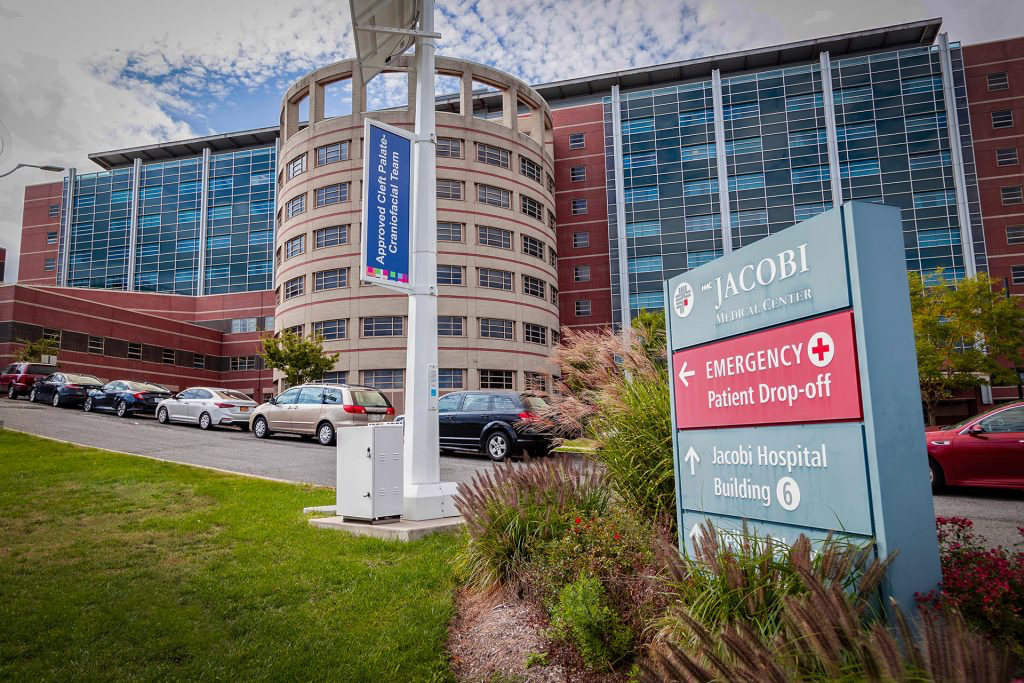
St. Barnabas Hospital has crisis programs integrated with its emergency department. And North Central Bronx Hospital and Jacobi Medical Center—both part of NYC Health + Hospitals—are prepared to admit patients in the most severe condition when immediate help is needed.
For those who require longer-term supervision, there’s the Bronx Psychiatric Center. This is a specialized facility that admits patients after emergency hospitalizations and provides long-term treatment for severe psychiatric disorders.
A new and promising step has been the B-HEARD (Behavioral Health Emergency Assistance Response Division) program. It replaces police officers on mental health crisis calls with a team of mental health professionals and medics. Its goal is simple yet profound: to reduce the criminalization of mental illness and make help safer, more humane, and more professional.
Another important line of support is hotlines and crisis services. At any time, Bronx residents can call the national 988 helpline or contact NYC Well—a city service that offers 24/7 consultations and can dispatch a mobile team.
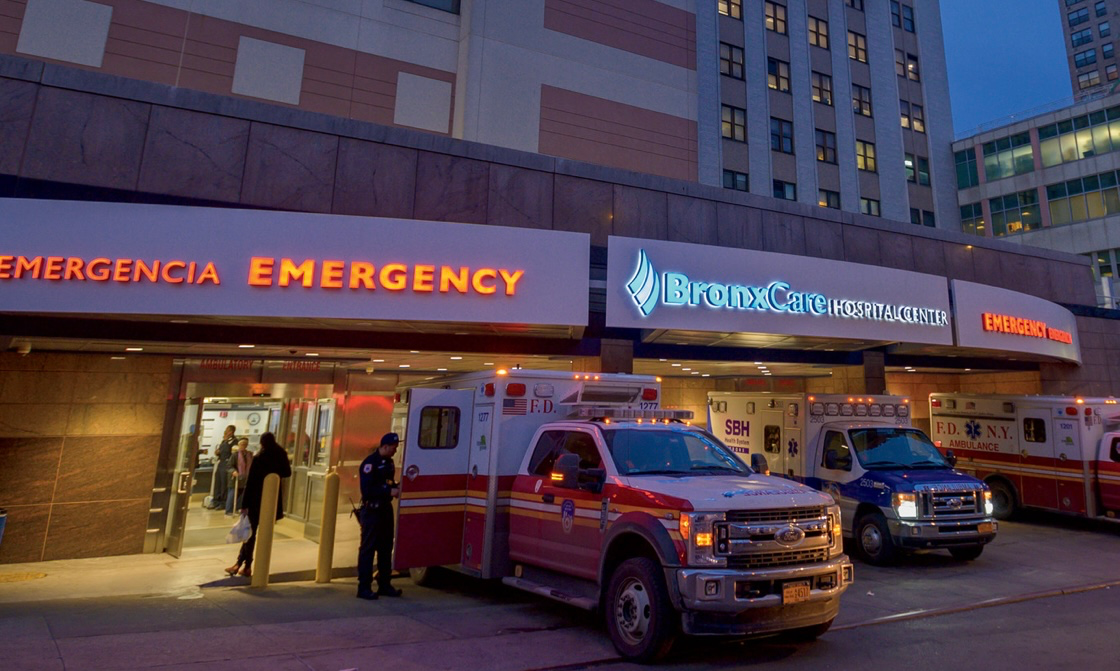
Thus, a system has been built in the Bronx that works on multiple levels simultaneously. It combines hospital units, specialized psychiatric centers, mobile teams, innovative programs, and hotlines. This allows for a response to various types of crises, from minor ones to those that are life-threatening.