

You’d think spring, warmth, and sunshine would be the perfect time for new achievements, growth, and making dreams come true. But some people find themselves with the opposite desire—to hide, freeze, and be alone. This might be a sign of spring depression, which is a surprisingly common problem. In this article on bronxanka.com, we’ll explain what it is, its symptoms, and, most importantly, how to get rid of it and get back to living life to the fullest.
What is Seasonal Affective Disorder?
Most people have heard of fall and winter depression, when the arrival of cold weather, rain, and shorter days makes people feel down and drained. This phenomenon is called Seasonal Affective Disorder (SAD). It’s a form of depression that appears during a specific season. While SAD most often occurs in the winter, about 10% of people suffer from it in other seasons. Spring and summer depression are also known as “reverse SAD,” as they have different causes than classic fall and winter depression, which are linked to a lack of sunlight.
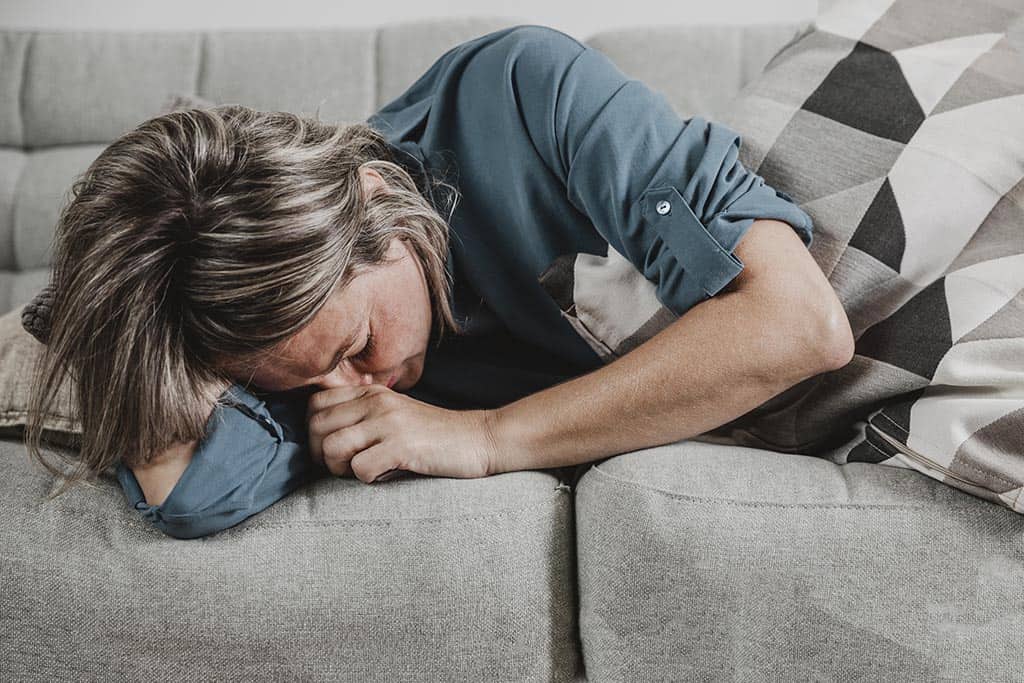
Spring depression might be more common than it seems. Research by the National Institutes of Mental Health showed that spring is a period when suicide rates peak. One possible reason for this type of SAD is that some people see winter as a time for isolation: the cold weather, fewer people, and limited events can create an emotional “shelter.” But when spring arrives, this shelter disappears. As a result, these individuals might feel disoriented and unsafe without their usual winter comfort. Spring SAD can also be aggravated by environmental factors, such as a high pollen count. This is especially relevant for people with allergies. Numerous studies have shown a link between high pollen levels and a worsening of mood in people with symptoms of spring or summer depression. Other causes of spring depression include circadian rhythm disruptions and a chemical imbalance in the brain. If the level of certain neurotransmitters is too high or too low, it can affect mood. Winter depression is thought to be related to a drop in serotonin due to a lack of natural light. In contrast, during spring, the increase in sunlight can lead to a decrease in melatonin, causing sleeplessness and worsening depressive symptoms. An increase in serotonin can also be problematic and cause anxiety disorders.
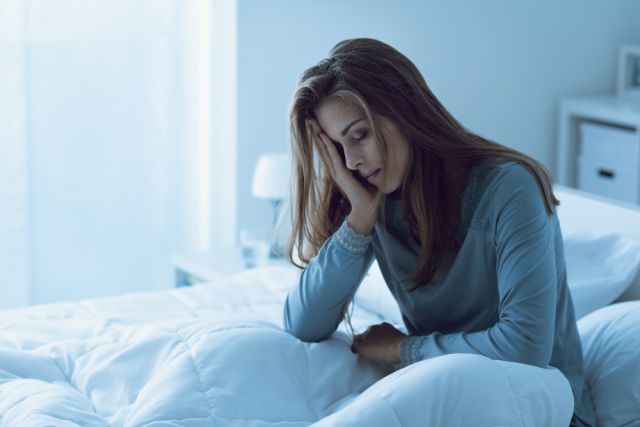
Spring Depression Symptoms
Spring SAD shares many characteristics with traditional depression and other types of SAD, although symptoms can vary in intensity. They include:
- a generally low mood, accompanied by feelings of sadness, apathy, and despair;
- a decreased interest in daily activities;
- difficulty with motivation for work or school;
- a lack of energy, sluggishness, and laziness;
- sleep problems (insomnia or, conversely, a constant desire to sleep);
- difficulty concentrating or remembering things;
- changes in appetite, weight loss, or rapid weight gain;
- increased irritability and agitation;
- unprovoked feelings of anger or aggression;
- thoughts about life and death;
- a feeling of “brain fog”;
- decreased libido;
- sadness and hopelessness without a clear reason.

SAD isn’t just a temporary case of the blues, an extended period of PMS, or a bad mood. It’s a true form of depression, so you shouldn’t ignore it. It’s important to assess your condition accurately and start taking active steps to overcome it.
Potential Risk Factors
Several additional factors can increase your likelihood of developing spring depression, including:
- Gender.
Women are typically more likely to suffer from seasonal depression (by about a 4-to-1 ratio), but men’s symptoms tend to be more severe.
- Age.
SAD symptoms primarily appear in young and middle adulthood—between the ages of 18 and 40.
- Family history.
If you have close relatives who experience seasonal depression, it can increase your risk of developing similar issues.
- Personal history of bipolar disorder.
People with bipolar disorder may be more sensitive to the changes in circadian rhythms that occur with the seasons.
- Weather sensitivity.
If you react sharply and noticeably to changes in the weather, both physically and mentally, you may be more prone to SAD during sudden warm-ups.
- Changes in daily routine.
If your work or school schedule changes with the seasons, it can lead to a lack of structure and additional stress, which in turn can cause feelings of sadness and affect your mood, sleep, and overall emotional state.
- Geographic location.
Living in a warmer or more humid climate can also influence the symptoms of spring and summer depression.
How to Get Rid of Spring Depression in the Bronx
Seasonal depression can have long-lasting effects on your mental health. So, as soon as you notice the first signs of a depressive state in the spring, look for ways to overcome it.
Here are some tips for dealing with the symptoms of spring depression:
- Prioritize sleep hygiene and routine.
Lack of sleep can significantly worsen SAD symptoms. To improve the quality of your sleep, try to keep your room dark and cool by using fans, blackout curtains, and lightweight, natural-fiber bedding. It’s also important to stick to a consistent sleep schedule by going to bed and waking up at the same time every day. It’s a good idea to put away all gadgets at least two hours before bed. In the morning, don’t rush to grab your phone in bed either. Wake up, take your time with your morning rituals, ideally adding some light exercise or meditation, and then pick up your phone or tablet.
- Engage in physical activity.
Regular exercise helps reduce stress and symptoms of depression and anxiety. Spring is a great time for outdoor runs. Plus, the Bronx has many wonderful parks: Van Cortlandt Park, Bronx Park, Pelham Bay Park, Crotona Park, Brook Park, Roberto Clemente State Park, Ferry Point Park, and others. There are also many sports clubs and gyms for those who prefer strength and group training, including Daros Extreme Fitness, Blink Fitness Fordham, and LA Fitness.

- Get creative.
Try drawing, knitting, sculpting, music, dancing, sewing, or weaving. Choose something you’re drawn to and just give it a shot. The Bronx has a great River Art Center where everyone can enjoy and find inspiration in various art forms and take relevant lessons. Anyone interested in trying out their vocal skills will be thrilled with vocal lessons at the Bronx School for Music, and if you want to learn to dance, Yamulee Dance School on a central Bronx street is waiting for you.
- Stick to a daily routine.
A change in your work or school schedule in the spring can cause feelings of sluggishness and a lack of motivation. Create a daily schedule that’s comfortable for you and try to stick to it. It’s best to avoid adding new, big tasks right now, as this will only increase your stress level. At the end of each day, be sure to praise yourself for every item you completed on your list.
- Eat a balanced diet.
Loss of appetite often accompanies spring depression. This can lead to a deficiency of essential nutrients, which worsens your mood and concentration. Eat nutritious food and drink plenty of water. Spring asthenia can occur because the body has difficulty adapting to the change in weather and lacks fresh fruits and vitamins after the winter. Replace high-calorie winter meals with healthier alternatives: a balanced diet of lean protein, fruits, vegetables, whole grains, and essential vitamins and minerals can significantly improve how you feel. Another tip for when you lack interest in food is to visit Arthur Avenue, also known as “Little Italy” in the Bronx. The sight of the incredible displays and the amazing aromas that fill the street will whet anyone’s appetite.

- Don’t avoid social contact and community activities.
Studies show that social isolation can lead to depression. For example, during the pandemic, it was found that periods of isolation have a lasting negative impact on mental health, causing symptoms of depression and PTSD. So, it’s very important to stay connected with other people. Meet and socialize with family and friends. And to feel as needed and useful as possible, get involved in volunteering or some form of community activity. The Bronx has many different charities and community organizations that welcome anyone who wants to help. Read about some of them in the following articles: Farmer Centers, The Bronx is Blooming, Bronx River Alliance.
And remember: you can handle a mild case of SAD on your own. But if your condition doesn’t improve for a long time, don’t hesitate to seek help from a professional.