

As both a physician and an author, Oliver Sacks achieved a level of fame rare for a scientist. His books sold over a million copies in the United States and were adapted for the screen and stage. He received about 10,000 letters a year. “I always write back to people under 10, over 90, and those in prison,” he once said. Sacks was also a man of contrasts: sociable yet solitary, sharp yet compassionate, scientific yet poetic, optimistic yet pessimistic, a Briton who became almost American. In this article on bronxanka, we’ll explore this fascinating figure and the famous experiment that became a Hollywood movie.
From Britain to the States
Oliver Sacks was born in London in 1933, the youngest of four sons. His career path was almost destined, as he grew up surrounded by medicine. His mother was a surgeon, and his father was a general practitioner. The Sacks family was moderately Orthodox Jewish, with daily Bible readings at home, and Oliver himself often explored spiritual themes in his future books. He later noted that his parents’ active Zionist involvement helped him distance himself from organized religion. Growing up in a scientific household also sparked Oliver’s early interest in science and research.
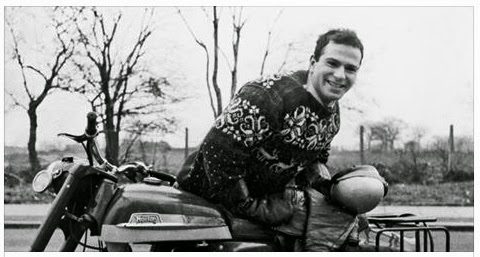
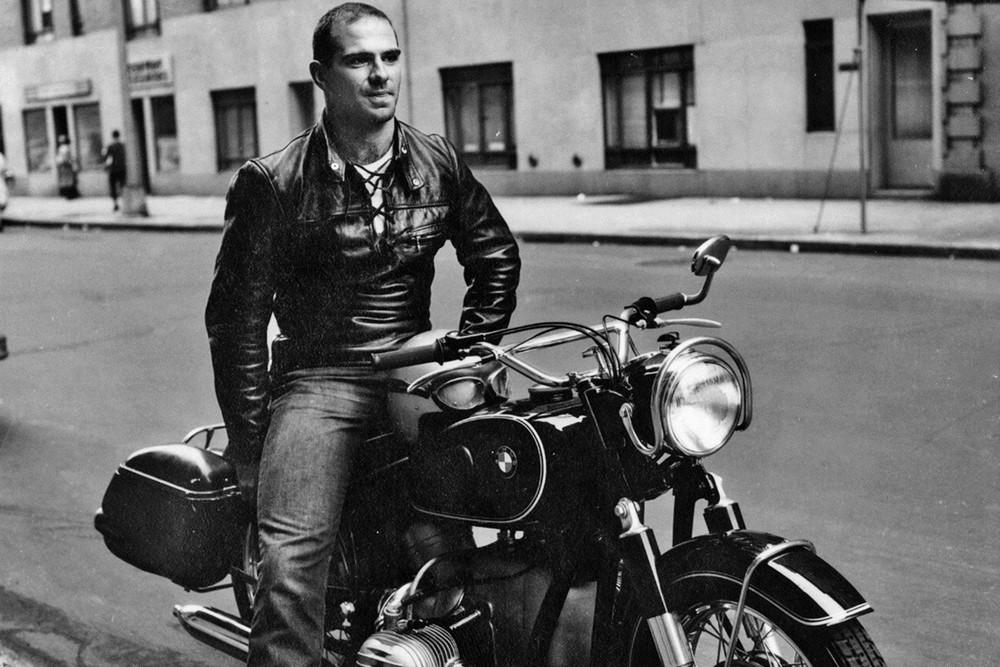
Sacks spent most of his childhood in London, but during World War II, his parents sent him and his brother Michael to a boarding school for four years to protect them from the Blitz. Oliver studied at Oxford, earning a bachelor’s degree in physiology in 1954 and a medical degree in 1958. For a time, Sacks even worked as a house surgeon to Queen Elizabeth in Birmingham in 1960. After an internship at Middlesex Hospital in London, he moved to the United States, where he interned at Mount Zion Hospital in San Francisco and later became a neurology resident at UCLA. In the U.S., Oliver quickly embraced the American lifestyle: he befriended the poet Thom Gunn, took up weightlifting, and went on wild motorcycle rides to the Grand Canyon with the Hells Angels.
The Beth Abraham Hospital Experiment in the Bronx
In 1965, Oliver Sacks began working as an instructor at the Albert Einstein College of Medicine in the Bronx. He eventually became a clinical professor of neurology, a position he held for nearly 10 years. At the same time, Sacks was also a staff neurologist at the Beth Abraham charity hospital. It was here that he conducted his famous experiment, which became the basis for the film “Awakenings.”
At Beth Abraham Hospital, Oliver Sacks encountered a group of patients who had survived the encephalitis lethargica epidemic between 1917 and 1927. These patients survived but developed post-encephalitic parkinsonism, which led to complex symptoms of varying degrees. The main ones were immobility, speechlessness, and profound depression. Sacks became deeply invested in this particular group of patients. He couldn’t explain why, but he dedicated special attention and countless hours to studying the literature and research on their condition. Finally, he came across the drug L-Dopa, which, based on its description and composition, Sacks believed could improve the condition of his parkinsonian patients. Oliver began experimenting, working to find the optimal dosages and complementary medications. He was overjoyed when he saw positive results and a real “awakening” in his patients. But the euphoria was short-lived, as critical side effects and regressions soon followed. The miracle never fully materialized. But those few days that the formerly statue-like patients spent in the whirlwind of real life were worth the sleepless nights Sacks spent in the hospital, trying to find a way to overcome the devastating disease.
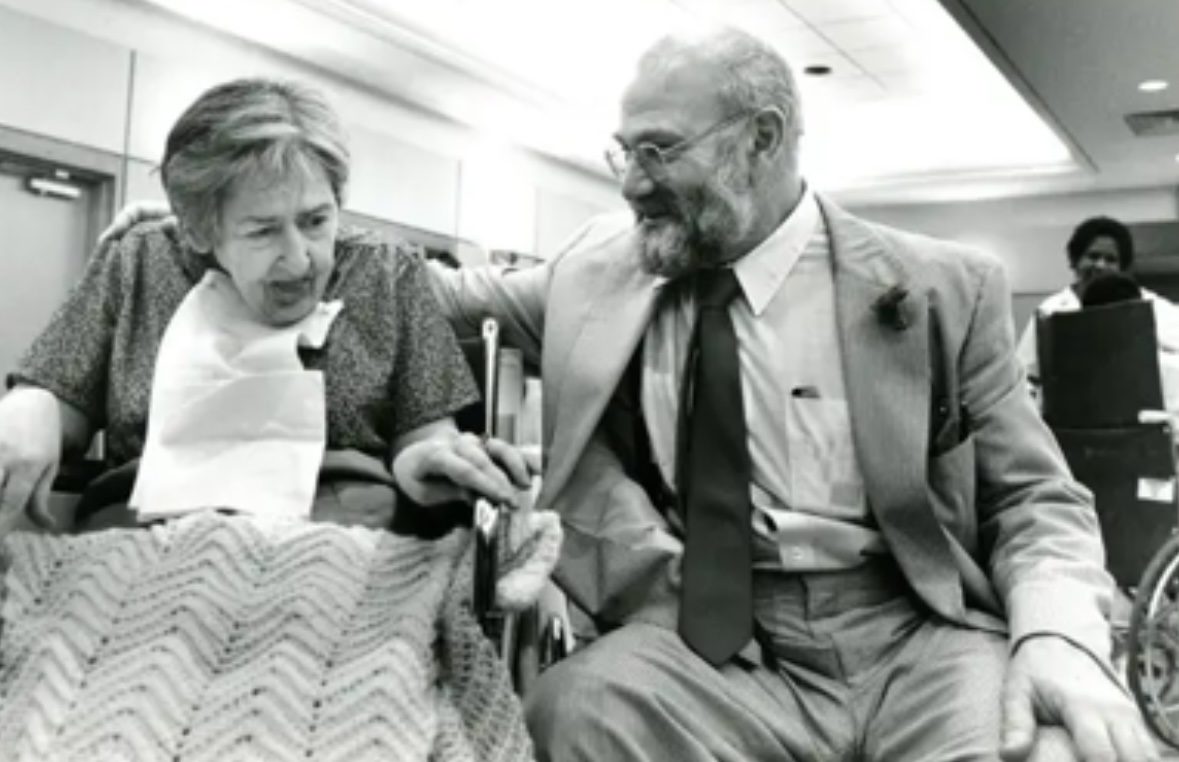
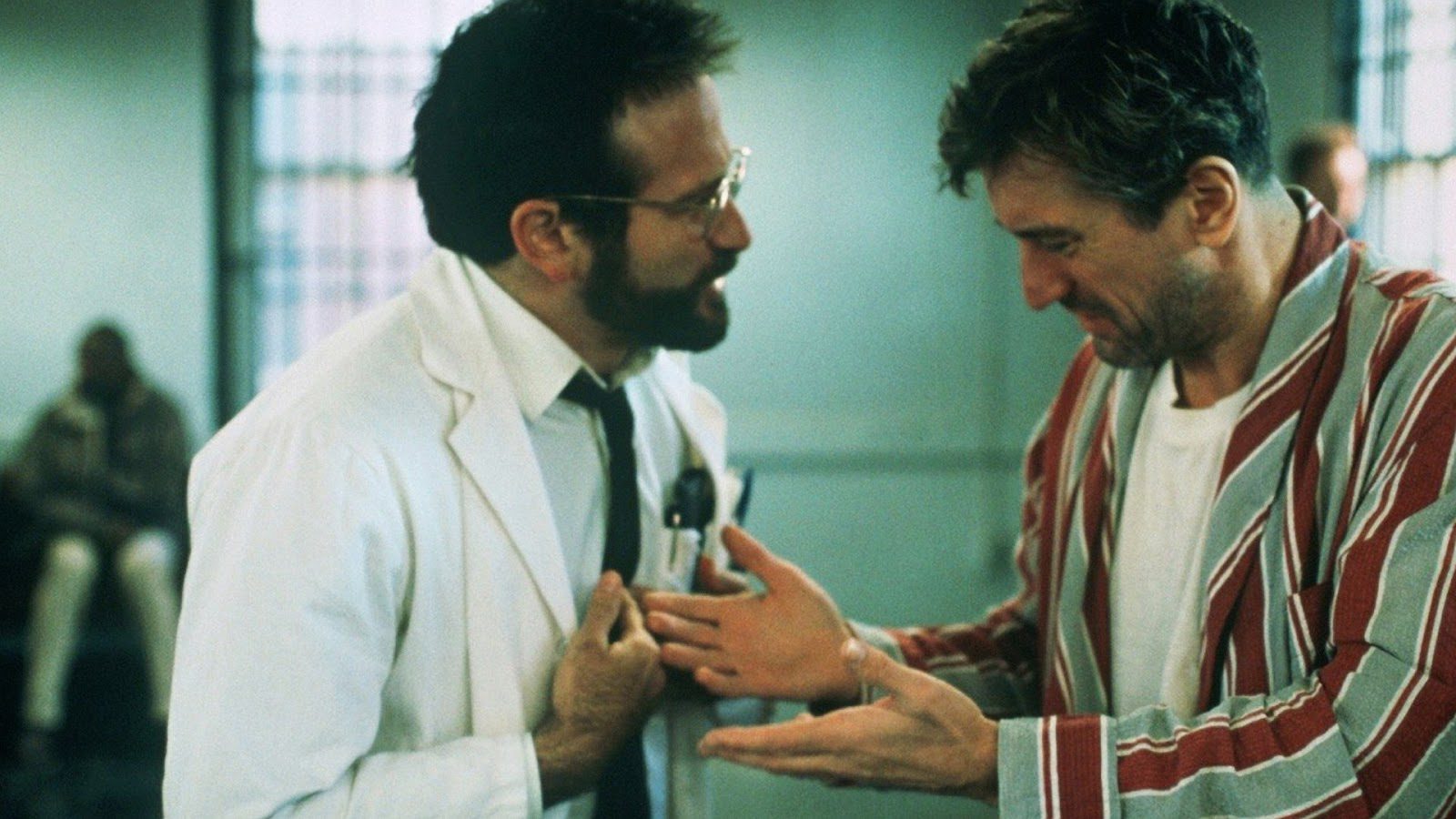
In 1973, Oliver Sacks wrote the book Awakenings, where he described this hopeful but ultimately unsuccessful experiment. This book was adapted into the legendary Hollywood film starring Robert De Niro and Robin Williams.
For an article about films shot in the Bronx, follow this link.
Filming “Awakenings”
The film’s plot follows a modest and shy research physician, Dr. Sayer (Robin Williams), who takes a job at a hospital treating patients who survived the encephalitis lethargica epidemic. They have been in a catatonic state for many years, unable to speak, barely moving, and unresponsive to the outside world. Determined, Dr. Sayer tries to find the cause of this terrible illness and discovers an experimental drug that helps one of the patients, Leonard (Robert De Niro). After thirty years of immobility, he returns to life. This awakening inspires other patients and the hospital staff. However, over time, the medication loses its effectiveness, and all the patients revert to their previous state.
A few interesting facts:
- While filming a scene where security guards try to stop Robert De Niro’s character from escaping the hospital, Robin Williams accidentally hit him with an elbow, breaking De Niro’s nose. According to De Niro, however, the blow actually straightened his previously crooked nose.
- Steven Spielberg initially considered directing the project and even began pre-production, but he later passed in favor of Penny Marshall.
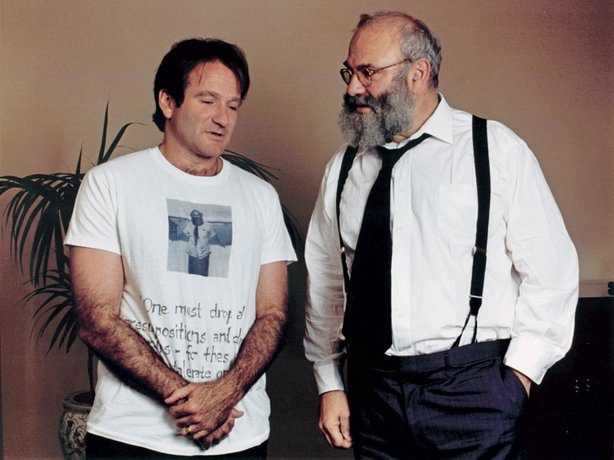
- Before starting work on their roles, the actors spent a long time observing Dr. Sacks and real patients at the hospital.
- Oliver Sacks himself consulted with the directors and producers during the film’s creation.
- The director also considered Bill Murray for the role of Leonard but decided against it due to his comedic image.
- A real patient with encephalitis lethargica named Lillian, who was the only one still alive at the time of filming, appears in one of the scenes.
- There is also a similar documentary about the disease. It was filmed in 1974 for a Discovery series and features real patients with encephalitis lethargica.
- The drug L-Dopa, used to treat the patients, is real and was used to treat Robin Williams in the final years of his life.
- Robert De Niro wanted actress Shelley Winters to play his mother, but she refused to audition, despite the director’s insistence.
- The film marked the debut of Vin Diesel, who appears as a hospital orderly, though his name is not even listed in the credits.
In 1990, Awakenings won the National Board of Review Award for Best Actor and was named one of the top 10 films of the year. The film was also nominated for a Grammy, a Golden Globe, and three Academy Awards.
Oliver Sacks’s Accomplishments and Recognition
Although he began his medical career as a researcher, Oliver quickly realized it wasn’t for him. “I once lost important samples,” he admitted in a 2005 interview. “Then I broke some equipment. Finally, they told me, ‘Sacks, you’re a menace. Go see patients.'”
In 1989, Oliver Sacks received a Guggenheim Fellowship to study the cultural influences on the abnormal neurological processes associated with the rare hereditary disorder known as Tourette’s syndrome. In addition to his work at Beth Abraham Hospital, he also served as a professor of neurology at New York University (1992–2007; 2012–2015) and was a consulting neurologist at the Comprehensive Epilepsy Center (1999–2007). From 2007 to 2012, Oliver worked as a professor of neurology and psychiatry at Columbia University Medical Center.
Although Sacks lived permanently in the U.S., he never renounced his British citizenship. In 2008, he was appointed a Commander of the Order of the British Empire (CBE).
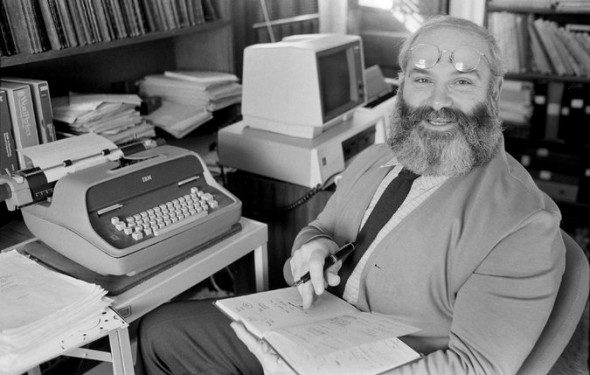
Oliver Sacks chronicled his experiences, both professional and personal, in a series of books aimed at a general audience. The most famous of these include A Leg to Stand On (1984) and The Man Who Mistook His Wife for a Hat and Other Clinical Tales (1985). In Seeing Voices (1989), he showed how sign language not only helps the deaf communicate but also creates a distinct culture. In An Anthropologist on Mars (1995), he described the lives of seven patients with various conditions, from autism to brain damage, highlighting their unique ways of adapting. Sacks also visited Micronesia to study a population with a high incidence of color blindness and Guam to research an unusual form of paralysis in The Island of the Colorblind (1997). In The Mind’s Eye (2010), he explored the compensatory mechanisms of people with sensory disorders, including himself. His book Hallucinations (2012) describes various conditions that can cause hallucinations.
Sacks had a wide range of interests, which he also wrote about on his website, covering topics such as aging, amnesia, color, deafness, and many others.
Even in his final years, Dr. Sacks remained active. In 2007, at the age of 74, he left the Albert Einstein College of Medicine to become an interdisciplinary lecturer at Columbia University. In 2012, Oliver Sacks returned to New York University as a professor of neurology, and in February 2015, he announced his diagnosis of terminal cancer. The ocular melanoma that Sacks had previously been treated for had spread to his liver. The distinguished physician passed away on August 30, 2015, at his home in New York, surrounded by loved ones. A collection of his essays, The River of Consciousness, was published posthumously in 2017, and in 2019, the documentary Oliver Sacks: His Own Life was released.
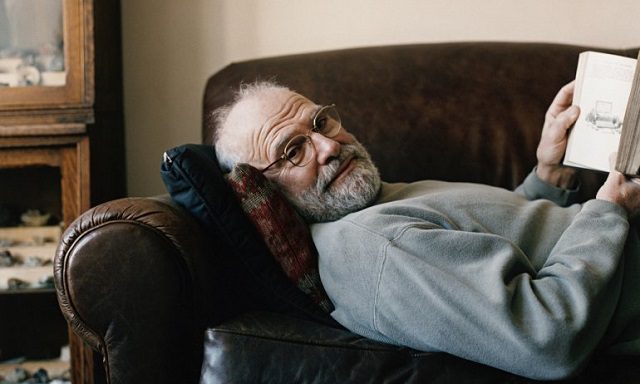
A few days later, a farewell essay titled “Sabbath” appeared in The New York Times. In it, Dr. Sacks reflected on the importance of the Sabbath in human culture and concluded:
“And now, weak, short of breath, my once-firm muscles melted away by cancer, I find my thoughts turning not to the supernatural or spiritual, but to what is meant by living a good and worthwhile life—achieving a sense of peace within oneself. I find my thoughts drifting to the Sabbath, the day of rest, the seventh day of the week, and perhaps the seventh day of one’s life as well, when one can feel that one’s work is done, and one may, in good conscience, rest.”
To read the life story of another prominent doctor from the Bronx who performed the world’s first heart transplant, follow this link.