

This crime drama marked Robert De Niro’s directorial debut. The screenplay, penned by Chazz Palminteri, was based on his own autobiographical one-man play, and he also starred in a pivotal role in the film. “A Bronx Tale” isn’t just a gangster story; it’s a heartfelt narrative about growing up, family values, and choosing your path in life. This film is considered a classic of 90s American cinema and one of the best screen adaptations about New York life during that era. Dive deeper into the creation of this cinematic masterpiece on bronxanka.com.
The Genesis of “A Bronx Tale”
In the late 1980s, Chazz Palminteri’s life was far from successful or happy. A New York native, he had recently moved to Los Angeles in pursuit of acting fame. His résumé boasted only minor roles in TV series like “Hill Street Blues,” “Dallas,” and “Matlock”—hardly an impressive track record. To make ends meet, Palminteri took a job as a doorman at a nightclub.
One evening, a man Chazz didn’t recognize appeared at the club’s entrance. It was Howie Lazar, a well-known Hollywood talent agent. A verbal altercation ensued, and Palminteri refused Lazar entry. The agent was furious and, as promised, ensured Chazz was fired the very next day.
Jobless, with only $187 in his pocket, Palminteri returned to his rented apartment in North Hollywood in despair. It was at that moment that an idea was born, one that would forever change his life. He recalled Whoopi Goldberg’s one-woman show, where a single actor played multiple characters. This seemed not only artistically intriguing but also practical—no need to pay a large cast.
Chazz got in his car, drove to a Thrifty drugstore on Ventura Boulevard, and bought five yellow legal pads. This was the beginning. That same evening, he began to write—about his childhood in the Bronx, his father, the mob, moral choices, and himself.
He wrote for 10 months. The result was “A Bronx Tale”—an intense one-man show that became his personal confession and a professional bid for recognition.
A Deeply Autobiographical Story
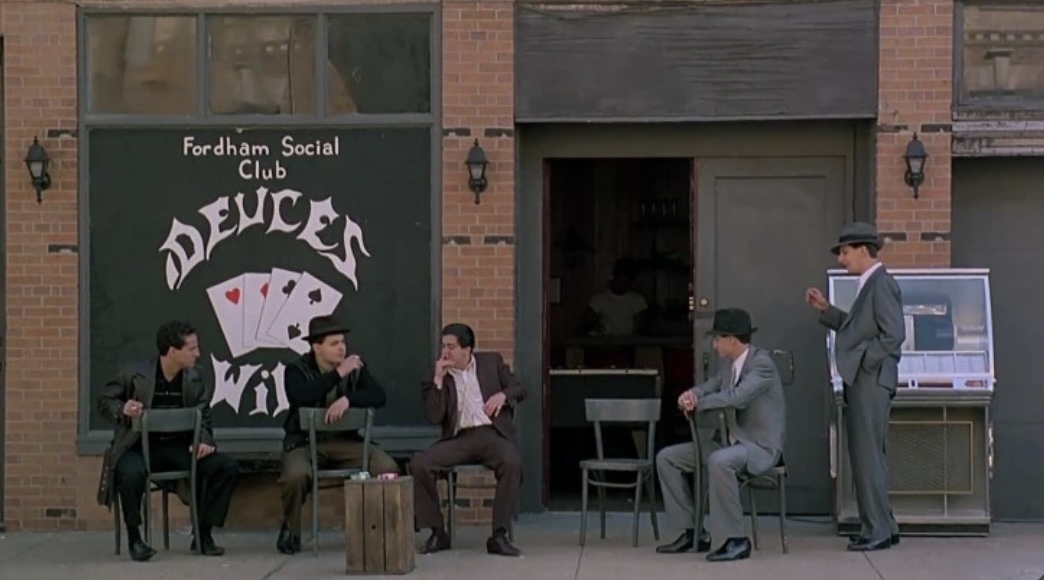
“A Bronx Tale” is neither fiction nor fantasy. For Chazz Palminteri, it was almost a mirror of his own life. These were genuine coming-of-age memories that transported audiences to the street where Palminteri grew up in the 60s—East 187th Street in the Bronx.
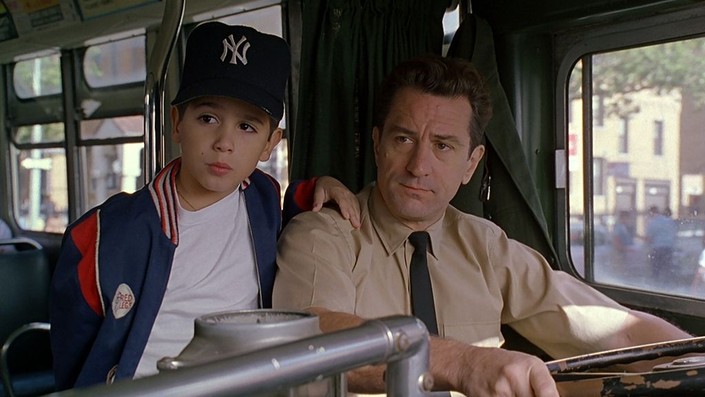
At the heart of the narrative is an Italian-American boy named Calogero. His father worked as a bus driver, just like Palminteri’s real father. In the story, the boy faces a moral dilemma, torn between two men who shape his worldview in their own ways. One is his biological father, an honest, principled workingman, played by Robert De Niro in the film. The other is Sonny LoSpecchio, a charismatic mobster, dangerous yet charismatic. Palminteri himself portrayed this character. Like Shakespeare’s Prince Hal from “Henry IV,” the protagonist had to choose which path to follow: light or shadow.
Many scenes in the play and film were taken directly from Palminteri’s memories. For example, one of the key events is a shooting he witnessed at age nine. Or his youthful infatuation with a Black girl—an episode that, at the time, was also a societal challenge. Many lines of dialogue aren’t invented; they remained in Chazz’s memory from real conversations.
“The saddest thing in life is wasted talent,” his father used to tell him.
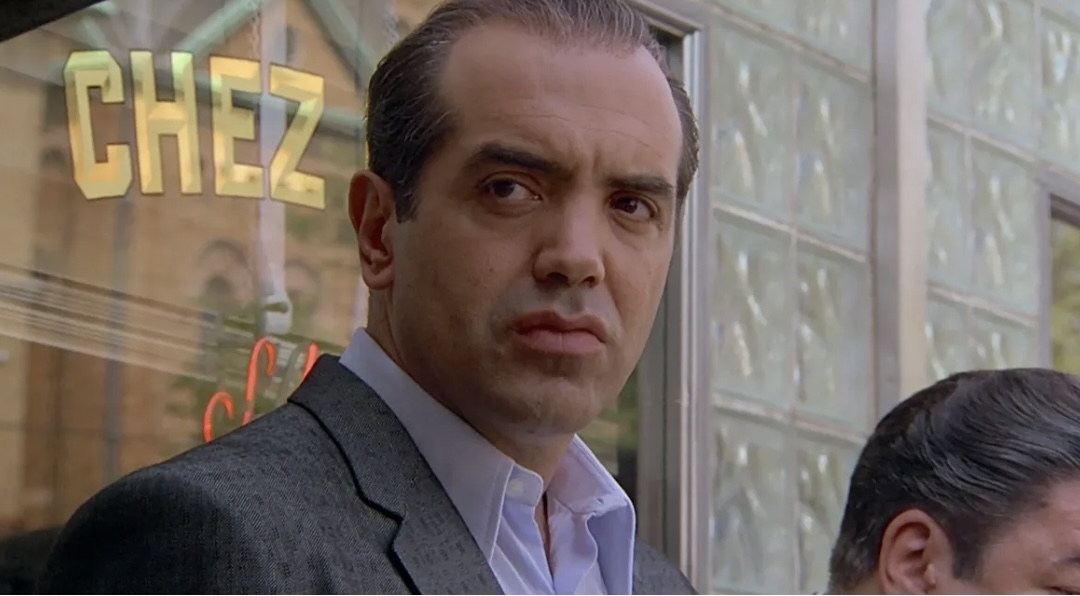
This phrase later became the story’s leitmotif. Even the mafia characters in “A Bronx Tale” had real-life counterparts. Names like Tony Toupee, Frankie Coffee Cake, and Jojo the Whale aren’t fictional; they’re vivid personalities from Palminteri’s childhood. One of them, named Eddie Mush, even appeared in the film, playing himself. Thus, Palminteri’s autobiography transformed into a powerful theatrical story—personal, vivid, and incredibly real.
Hollywood’s Attention
Palminteri’s initial performances were quite modest—every Monday evening, at the small Theatre West in Los Angeles. But something about the work resonated—its openness, humor, and sincerity. Moreover, the one-man format was impressive: Chazz single-handedly played all 18 characters. Very quickly, after minor refinements, the play received positive reviews and even caught Hollywood’s attention. Every studio head, every famous director wanted to adapt his story to the screen. Tempting offers came from all directions: $250,000, half a million, and eventually even a million dollars. But all these offers came with one condition—Chazz would not be seen in the film. He could remain as a screenwriter, but everyone wanted to cast a well-known actor in the lead role. No one was willing to take the risk.
Palminteri didn’t budge. His answer was short and firm—no.
Chazz doesn’t hide it: everyone around him thought he was crazy. They said he’d ruin everything by losing such an opportunity. But he stood his ground:
“I’m playing this role, or I’m going down with the ship.”
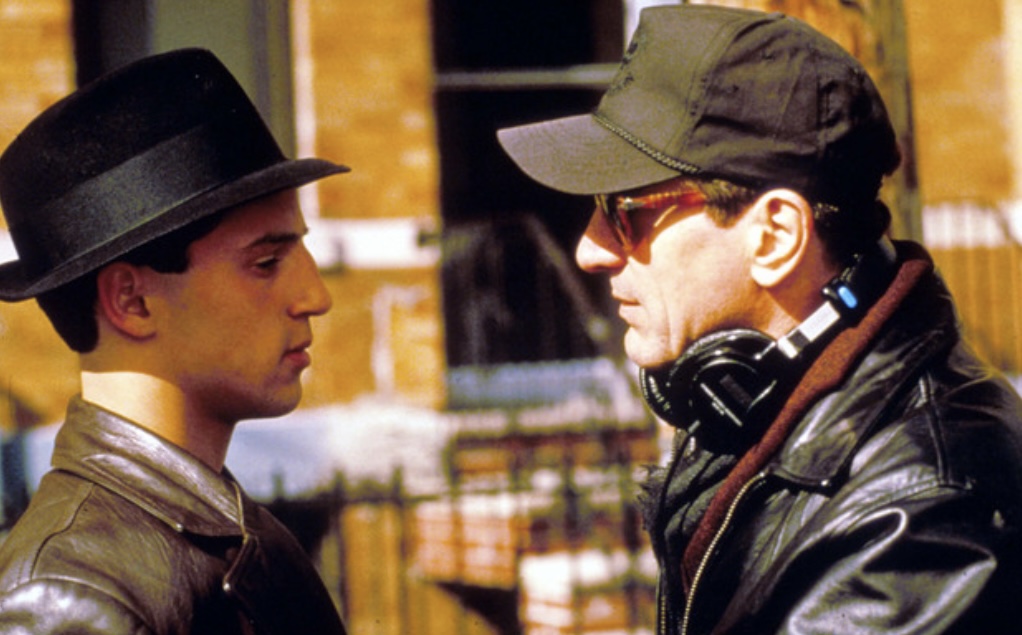
The savior for “A Bronx Tale” was Robert De Niro—a global star. He was looking for material for his directorial debut. After seeing Palminteri’s play, De Niro understood: this was it, this was the film he wanted to make. Most importantly, he completely trusted Chazz, leaving him the screenplay and one of the main roles. A creative bond immediately formed between them. Both were Italians from New York; they perfectly understood the world in which the characters lived. And that’s why their collaboration felt so genuine. The film came alive, filled with emotion, and as true as possible. 85% of the cast were non-professionals—people who genuinely knew that world.
“If they don’t understand Bronx life,” De Niro said, “they have no business being in the movie.”
How the Film Was Made
Robert De Niro approached his directorial debut with exceptional meticulousness. He shot countless takes to have a wide selection during editing. This slowed down the process and led to budget overruns. One colleague even gifted De Niro a whip with a playful note: “Dear Bob, you’re a slave driver.”
For the director, music wasn’t just background; it was a character itself. He wanted it to comment on the actions—ironically or emotionally. For example, several versions of “I Only Have Eyes for You” were used to amplify the interracial love story.
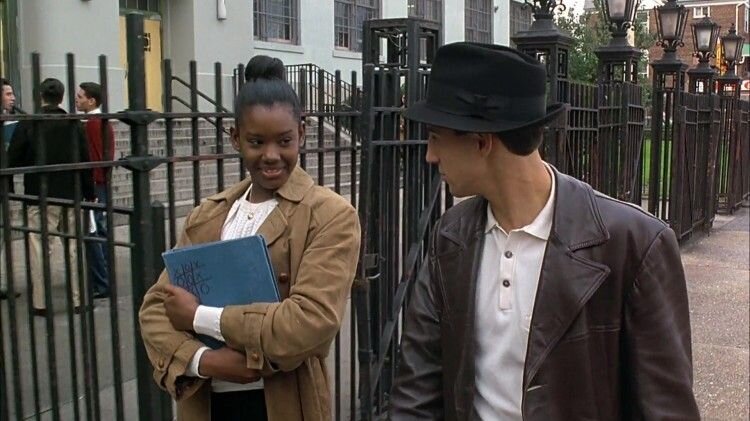
Chazz Palminteri enthusiastically recalls Robert De Niro’s focus:
“It’s a concentration I’ve never seen. He makes everyone better. It’s like Michael Jordan—he steps onto the court, and Scottie Pippen becomes a better baseball player. And that’s what Bob did.”
Palminteri also noted that De Niro was very attentive to his wishes and observations. For instance, Chazz told De Niro about the scene where young Calogero witnesses a shooting, and he mentioned remembering how everything around him seemed to slow down in his childhood, and he made eye contact with the killer. Palminteri suggested shooting that moment in slow motion. De Niro immediately instructed the cameraman to film the scene at 40 frames per second. That’s how this scene made it into the final cut.
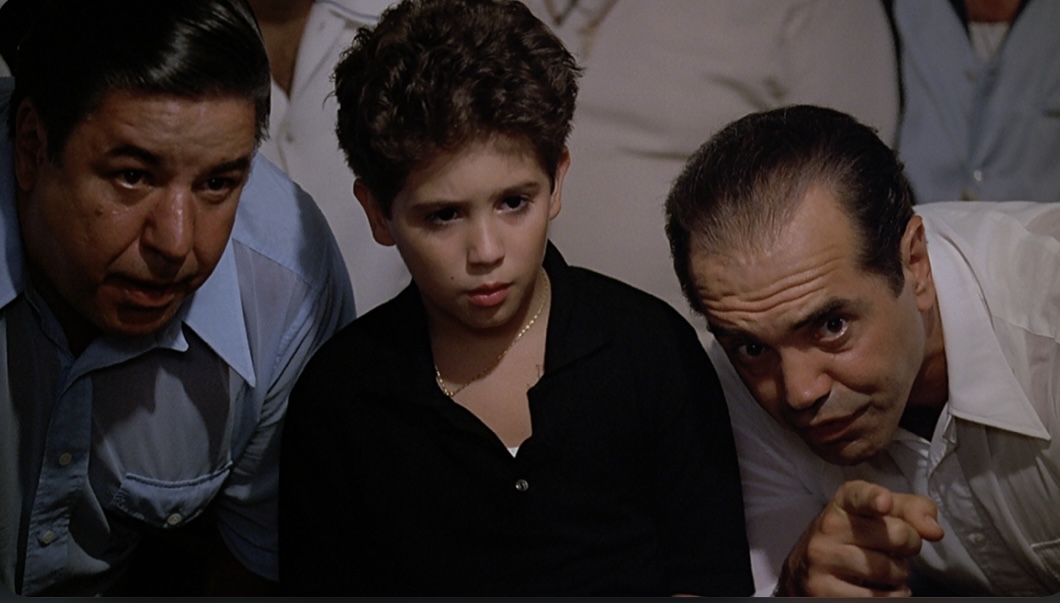
De Niro also insisted on an authentic look. He shaved his hairline and gained weight for the role, explaining that he wasn’t aiming to look handsome but wanted to accurately portray his character.
Despite all events taking place in the Bronx, filming was done in Astoria, Queens. It was simply impossible to block traffic in the Bronx. Fortunately, this Queens neighborhood had the right atmosphere—abandoned shops, a church, a funeral home. This allowed them to film all the necessary locations without deviating from the main plot.
De Niro involved real residents of Italian neighborhoods.
However, scenes with children proved especially challenging. Robert De Niro recounted:
“These were 13-16 year old guys who wanted to be men. In that culture, they yearned for adulthood, imitating gangsters. We had to cast people right off the street, not actors from agencies. You can’t replace real people. They add texture and truth. That was the most important thing.”
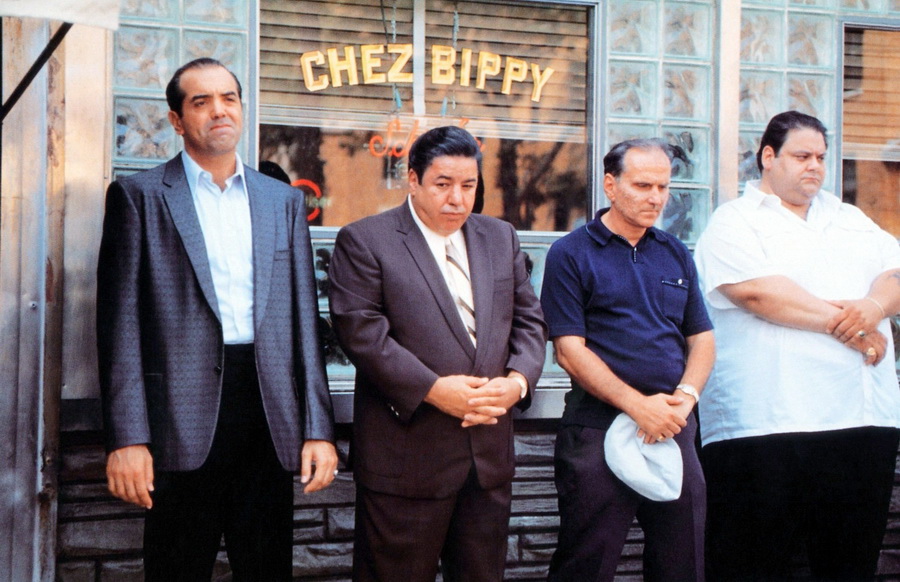
Thus, “A Bronx Tale” was born—a film that became a triumph of stubbornness, self-respect, and creative integrity. It’s the story of a kid from 187th Street who refused to sell out his dream.