

The Bronx is known worldwide as the birthplace of one of the most popular music genres of all time—hip-hop. Interestingly, this musical movement emerged from the gritty, gang-ridden streets and was once a symbol of rebellion. The first hip-hop stars were local toughs in old jeans. Today, however, the ranks of hip-hop artists include many respected figures with multi-million dollar fortunes. It is they who now dictate hip-hop fashion and set new trends in the style. In this article on bronxanka, we’ll explore how hip-hop fashion preferences have evolved from the genre’s inception to the present day.
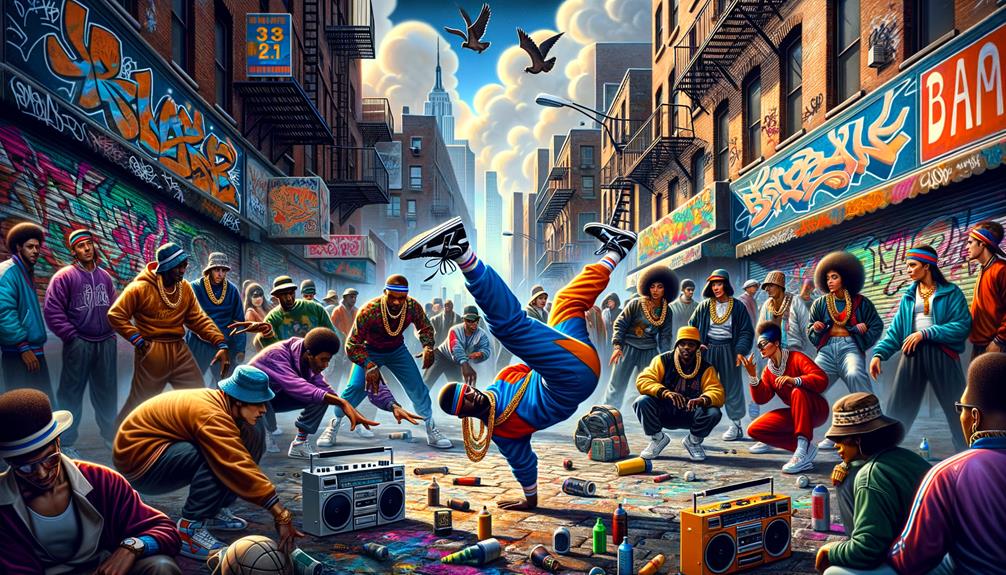
The Birth of Hip-Hop Fashion at Bronx Block Parties
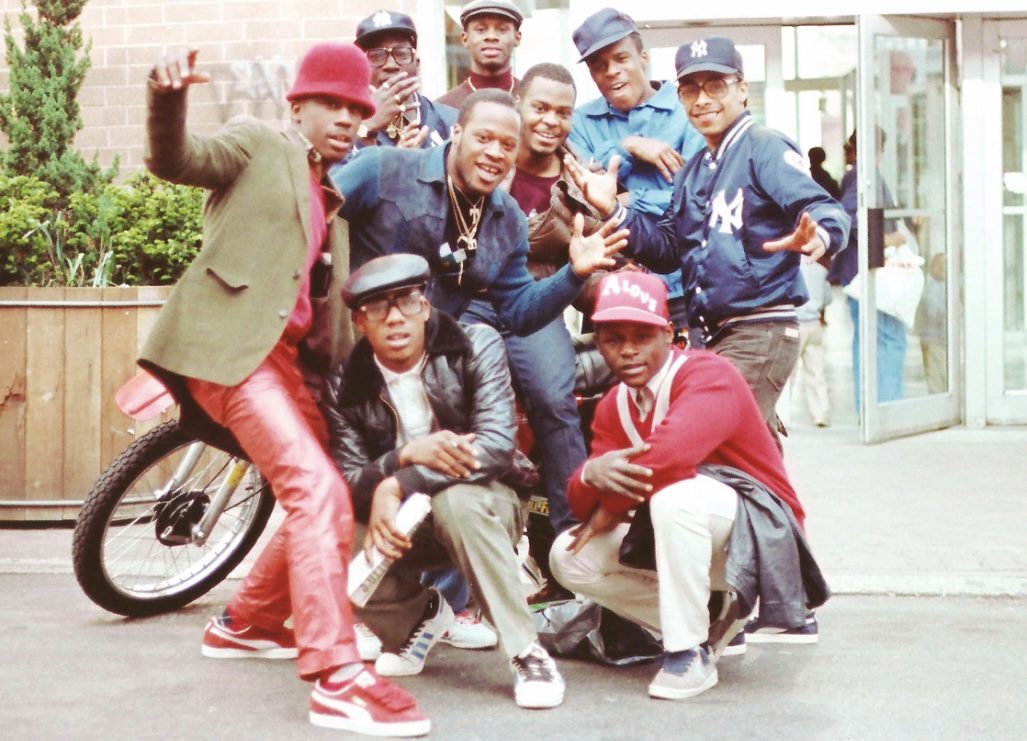
The 70s—the first parties in the Bronx where a new, unusual music captivated everyone. Kool Herc and Grandmaster Flash were the first to pioneer the style that would later be called hip-hop. It’s no surprise that they also became fashion role models for all their fans. Of course, these regular guys from the South Bronx didn’t own any designer items or couture clothing. They played their music in what they wore every day: simple tracksuits, sneakers, and baseball caps. These items became symbols of early hip-hop, reflecting the spirit of the streets.
Harlem legend Dapper Dan made some changes to the simple street look of hip-hop artists. He suggested keeping the traditional tracksuit and sneaker combo but using brighter, higher-quality fabrics. This slightly blurred the line between street fashion and mainstream trends, elevating hip-hop from a lower tier to a higher rung.
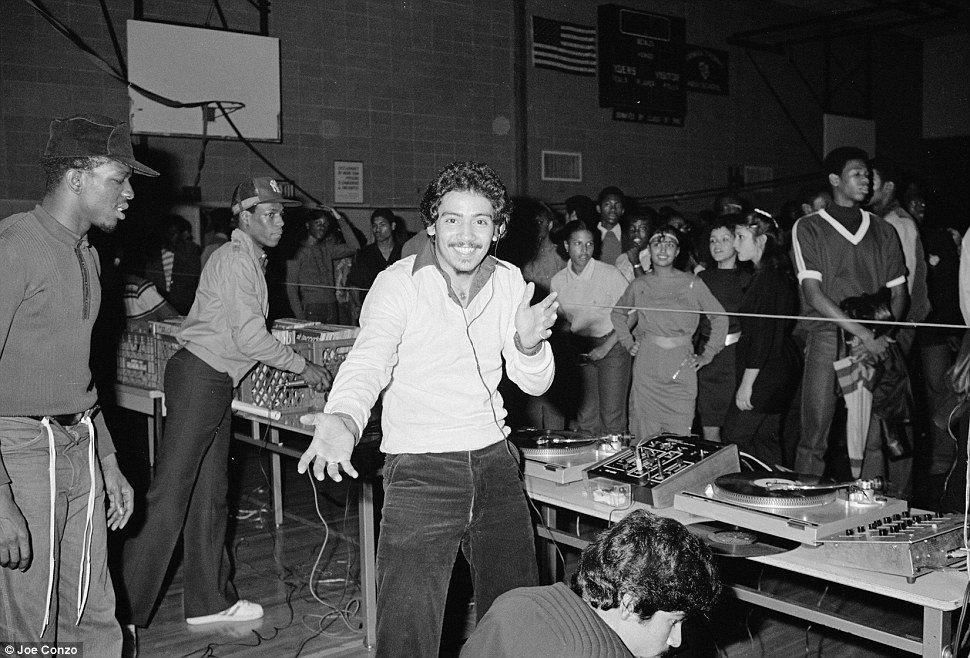
For an article on how hip-hop culture was born in the Bronx, follow this link.
80s Trends: Denim, Kangol Hats, and Adidas Sneakers
In the 80s, hip-hop continued to gain momentum. The somewhat rugged and ambitious looks of performers from that era—with their jeans, Kangol hats, and Adidas sneakers—were symbols of the time. Thick gold chains became mainstream. The trend of merging street style with luxury brands, started by Dapper Dan and continued by Run-DMC, carried on.
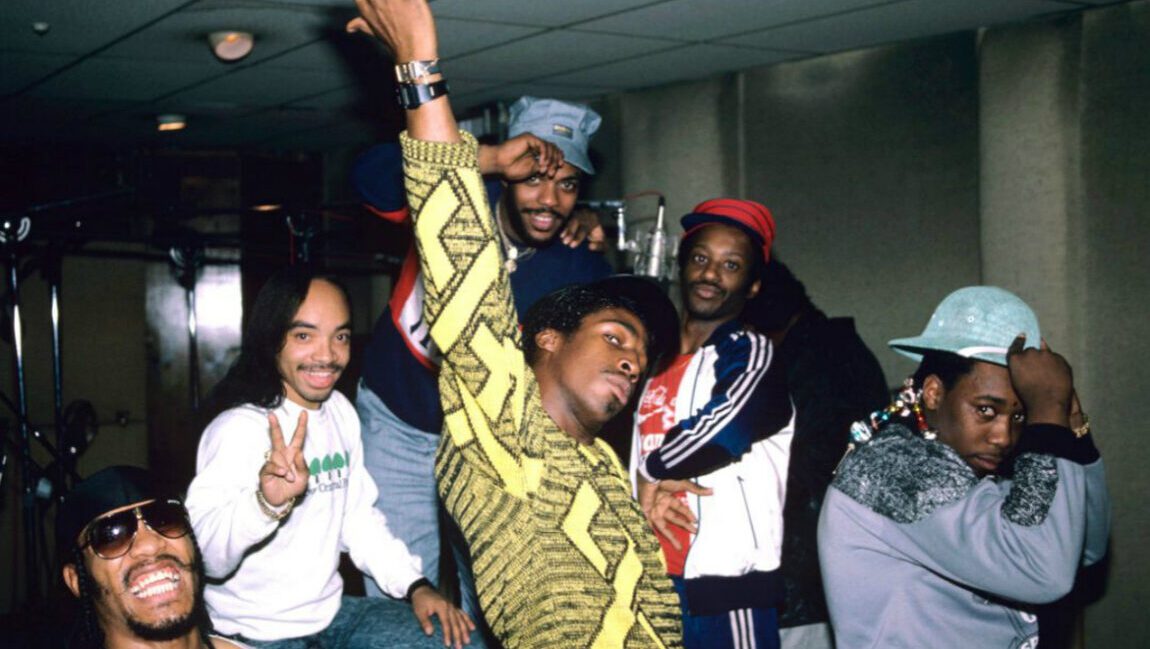
For early hip-hop artists, fashion was a form of protest and self-expression, allowing them to shape their style and challenge societal norms. Hip-hop fashion became the foundation of a cultural transformation.
The first to successfully catch the wave and adapt quickly was the sportswear and footwear brand Adidas. They realized that hip-hop wasn’t a fleeting fad but a serious, large-scale trend with a huge future. So, Adidas quickly established connections with the hip-hop movement of the time and actively promoted its brand among performers and dancers.
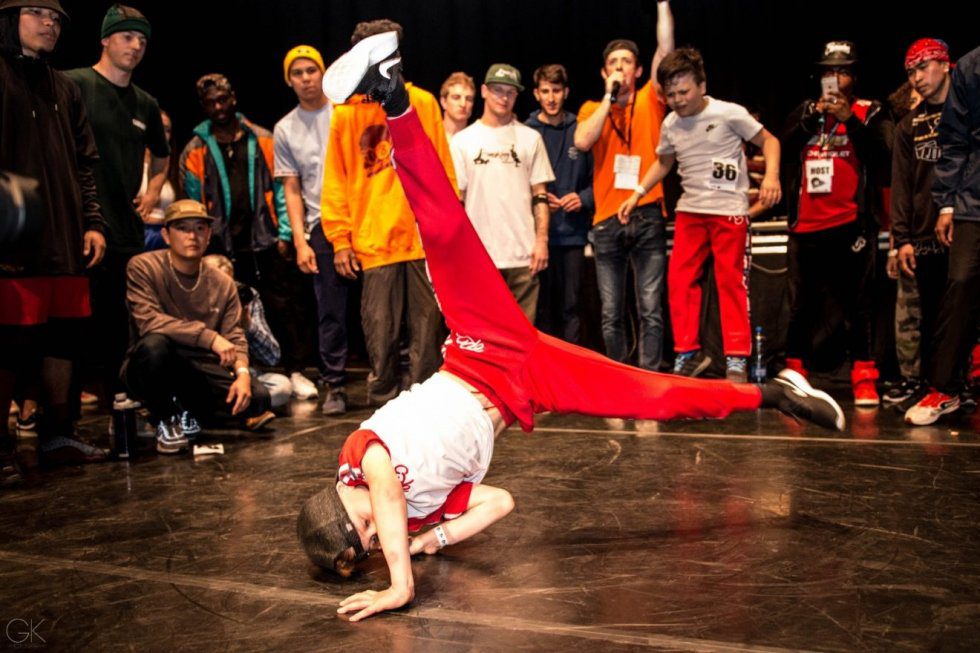
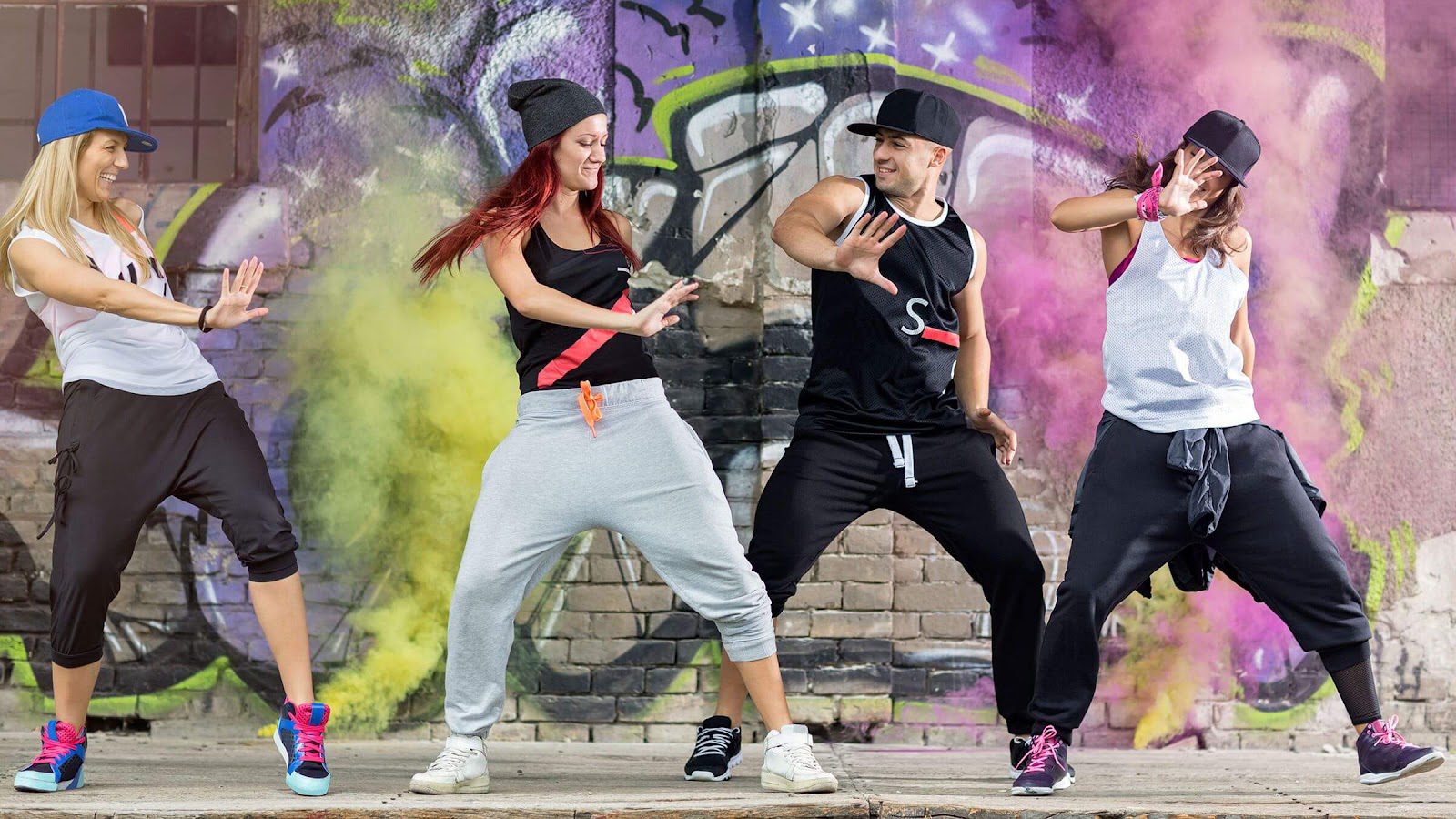
We mustn’t forget that hip-hop has always been closely linked with dynamic, rhythmic dances. During the same period, other street styles like breaking, popping, and locking were developing. They all required simple, comfortable clothing that didn’t restrict movement, as well as quality, comfortable footwear. Thus, sneakers, baggy pants, and hoodies were the traditional attire for hip-hop enthusiasts in the 80s. By the way, hoodies were often used for another reason—they also helped conceal faces when running from the police, as we are talking about the Bronx, where clashes with law enforcement were an almost daily occurrence.
Another popular accessory for hip-hop artists and their fans in the 80s was the Kangol hat. It was similar to a typical baseball cap but looked more stylish and striking.
90s Trends: Oversized Fits, Timberland Boots, and Bold Accessories
In the 1990s, large, baggy jeans and hoodies remained in fashion, and the bigger they were, the more stylish. Oversized was embraced in everything—large shorts, sweaters, pants, and more were all the rage.
The 90s hip-hop aesthetic was characterized by a raw, minimalist simplicity but with impactful accents. Fashion was a means of self-expression: headwear, bulky sneakers, and large “gold” chains became the primary accessories that gave an outfit individuality and confidence.
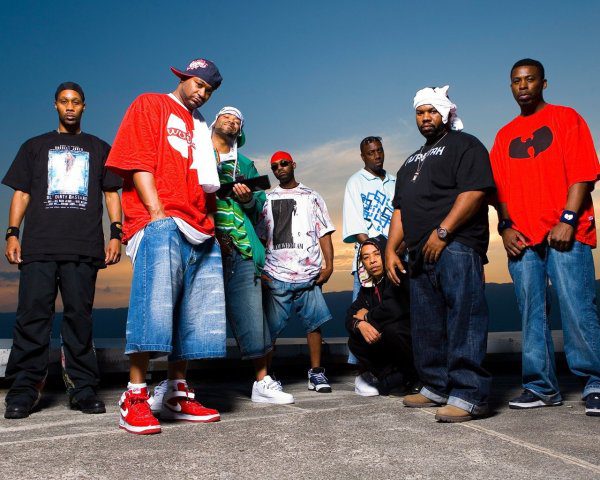
Following Adidas’s lead, other brands began to position themselves as ambassadors of hip-hop culture. Tommy Hilfiger, FUBU, Phat Farm, and Sean John became associated with the hip-hop lifestyle, offering looks that resonated deeply with the culture.
Popular artists of the time, such as TLC, Aaliyah, and Ja Rule, set new fashion trends in their music videos that the youth emulated. A distinct urban style emerged, and hip-hop artists stood out by boldly using vibrant colors. Shiny appliqués, multicolored prints, and large accessories like massive chains and pendants were common. Joining the famous Adidas sneakers was another iconic piece of hip-hop footwear—Timberland boots.
Additionally, the 90s were defined by the emergence of many women on the hip-hop scene, which also influenced overall trends in women’s fashion.
Hip-Hop in the 2000s: Bandanas, Blinged-Out Jeans, and Long Tees
In the 2000s, hip-hop fashion reached its peak. The looks of artists became more gaudy and bold. Shiny, baggy jeans appeared. A new feature was the low-rise fit. Wide-leg pants, long t-shirts, and bandanas instead of baseball caps—this is how most hip-hop enthusiasts looked in the 2000s. Artists like Lil’ Kim, Nelly, and Ja Rule showed off new chains and jewelry in every music video. Meanwhile, Jay-Z and Kanye West became premium trendsetters in hip-hop fashion.
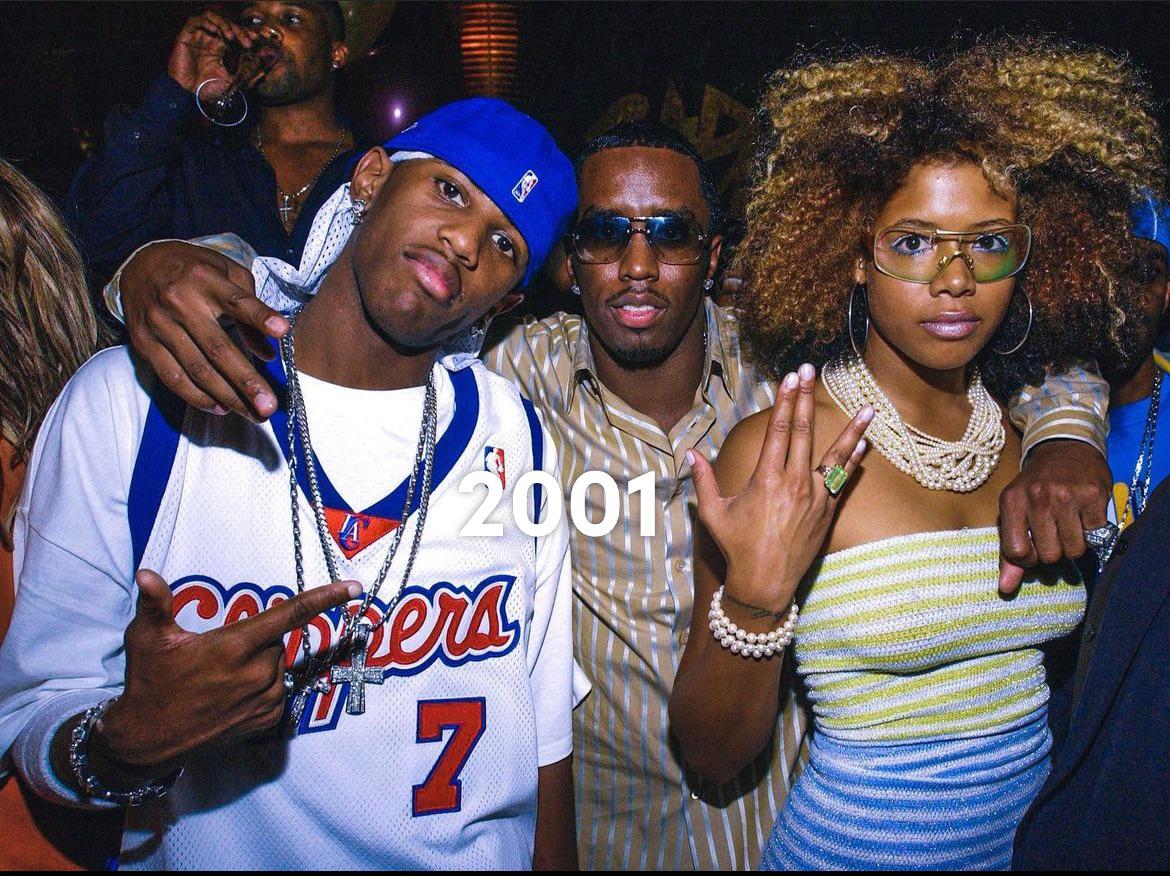
By this time, many brands were collaborating with major labels on a permanent basis, creating collections geared toward fans of the hip-hop style.
Sean Combs created a successful collaboration with his brand Sean John, which skillfully blended elements of high fashion with street style.
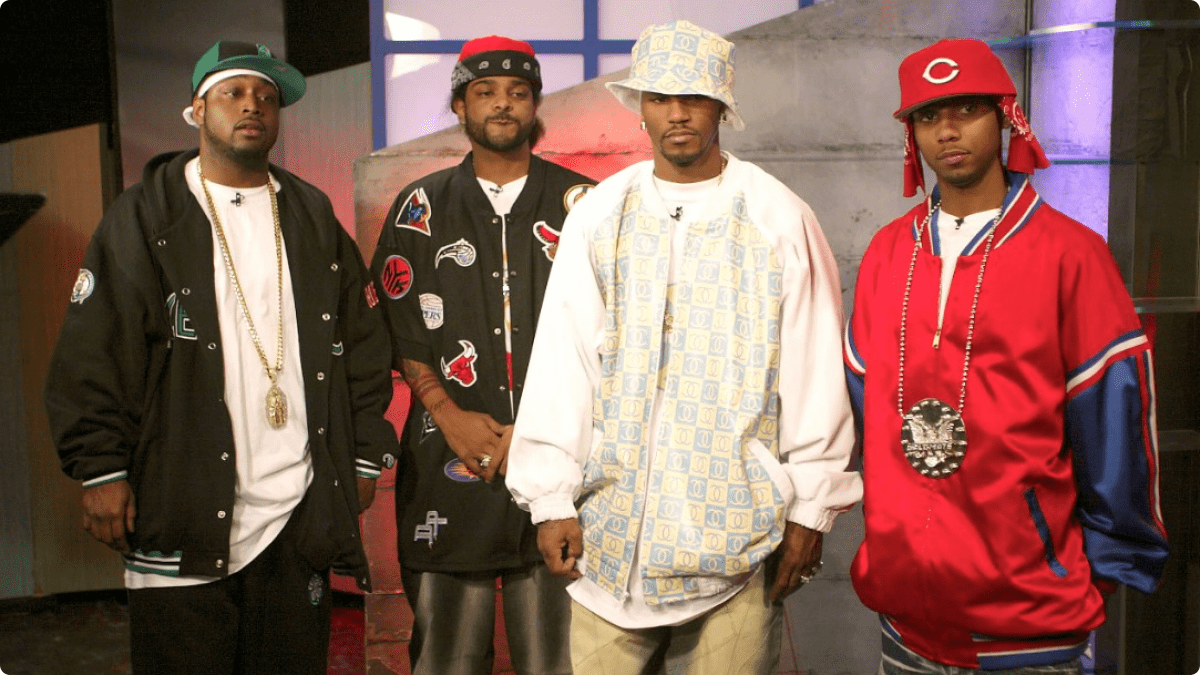
Kanye West’s Yeezy line for Adidas became a prime example of combining street style with elegance. And Gucci’s partnership with designer Dapper Dan allowed elements of hip-hop to be incorporated into the collections of a brand that seemed very distant from the street.
From then on, famous rappers and hip-hop artists began appearing on red carpets in designer suits and lavish jewelry.
Contemporary Hip-Hop Style
The contemporary style has retained its streetwear roots while adopting even more high-fashion characteristics. Firstly, the status of the celebrities themselves has changed significantly. While the idols of early hip-hop were local DJs from the Bronx with 20 bucks in their pockets, today’s hip-hop and rap culture is represented by major stars like Rihanna and Travis Scott, who have immense popularity and equally immense fortunes.
The influence of hip-hop on high fashion is becoming increasingly evident. Luxury brands are adapting the bold aesthetic of hip-hop and more frequently incorporating elements of street style into their designs.
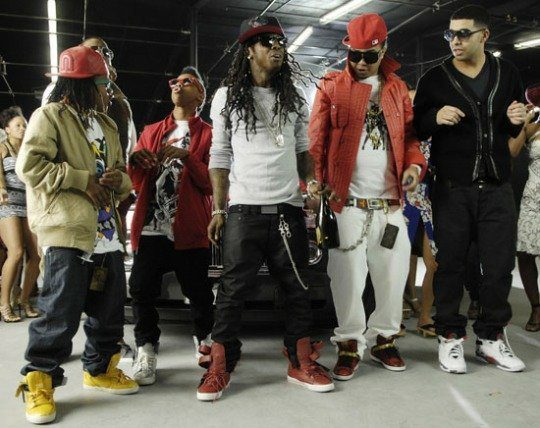
Social media, particularly Instagram and TikTok, has significantly amplified the influence of hip-hop culture on mainstream fashion. Millions of people can now draw inspiration from the looks of their favorite artists, observing them not only at concerts and on TV but also in their everyday lives on their personal pages and blogs.
Accessories and bold, unconventional footwear remain a crucial part of the style. Many hip-hop stars launch their own clothing lines, which become new trends in the urban style.
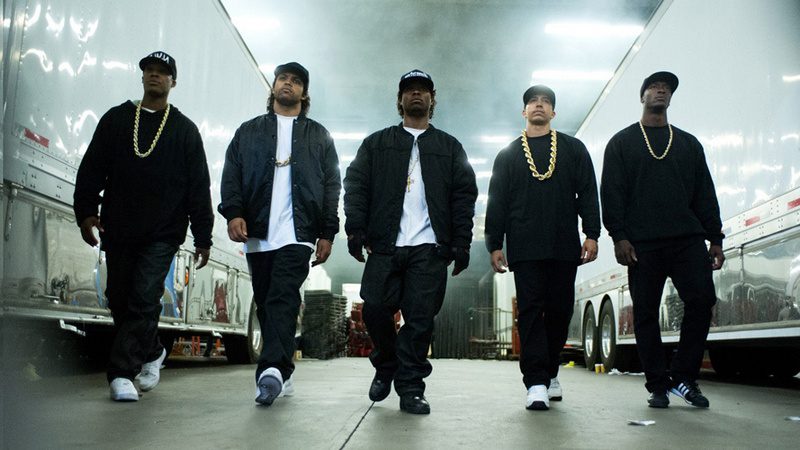
For an article about the most successful hip-hop group from the Bronx, follow this link.
Janet Hargrove summed up the evolution of hip-hop culture perfectly:
“I’ve watched hip-hop fashion evolve from its roots at Bronx block parties to a global trend. In the 1980s, Run-DMC’s Adidas sneakers and Kangol hats signaled a cultural shift. By the 1990s, baggy jeans and brands like FUBU and Sean John defined the streetwear scene. In the 2000s, rap stars flaunted ‘bling’ and luxury collaborations, blurring the lines between street and high fashion. Today, Kanye’s Yeezy blends athleisure and couture, while designers like Virgil Abloh infuse hip-hop elements into luxury brands. It’s fascinating to see how this style has traveled from the streets to the high-fashion runways.”