

Even as part of a sprawling metropolis, the Bronx has always had a distinct, unique character. Fashion is no exception. People here dress differently than they do in Manhattan or Brooklyn. Many factors have shaped and continue to shape the borough’s unique style. Its rich musical history, diverse international population, and a notable lack of major brand stores have all left their mark. This article will explore these and other unique aspects of local fashion in the Bronx on bronxanka.com.
The Scarcity of Big-Name Stores
Compared to many other New York City neighborhoods, the Bronx, particularly its north-central part, has limited access to major clothing retailers. Most brands have established their retail presence in more affluent and developed boroughs of New York.
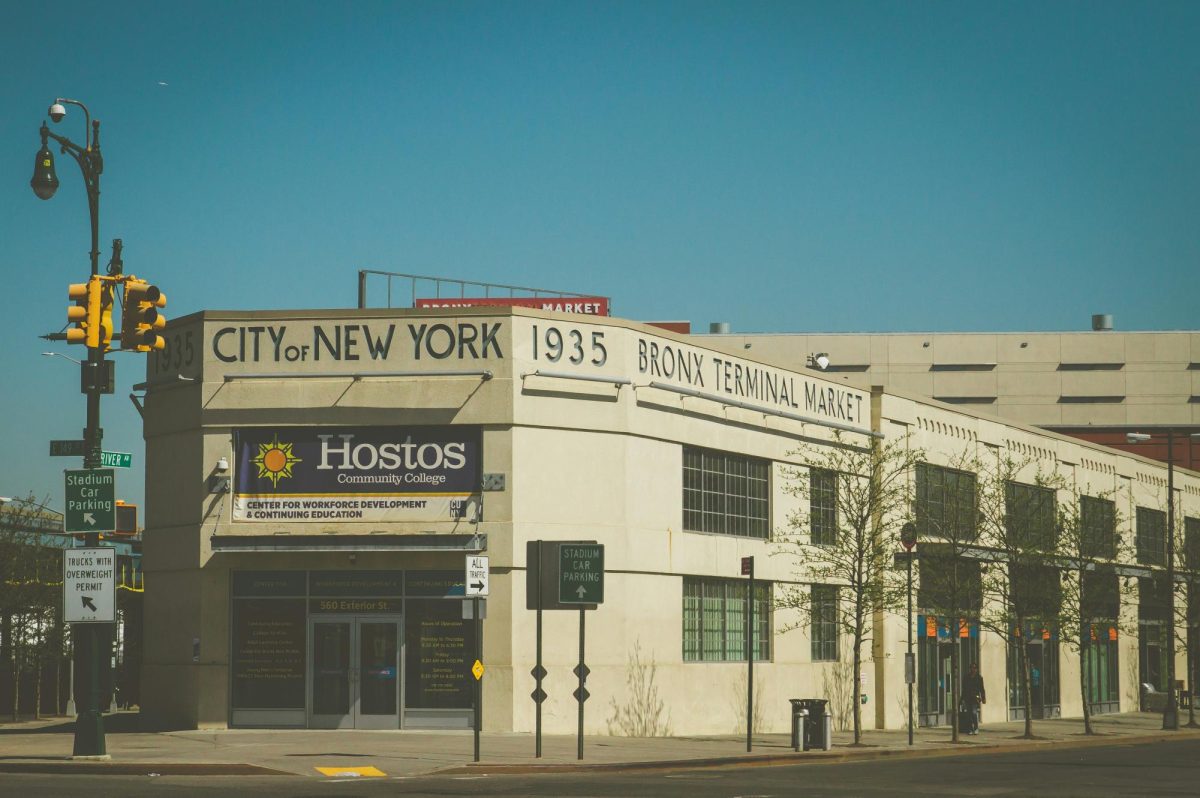
The representative for Bronx’s 12th District, George Torres, often raises this issue in his speeches, calling the area “underserved” due to the absence of popular brands. For instance, the 12th District has only a few chain clothing stores, such as Rainbow and Foot Locker, which serve eight neighborhoods.
Torres laments: “There’s no J. Crew here, no Banana Republic, no major shoe stores. Even the popular six-inch ‘yellow boots’ that became an East Coast hip-hop symbol don’t have a signature store in the Bronx. How can an area with a population of 300,000 people have access to these stores, but the Bronx with 1.4 million people doesn’t? It’s very frustrating. We don’t even have a Timberland store, which is very strange to me.”
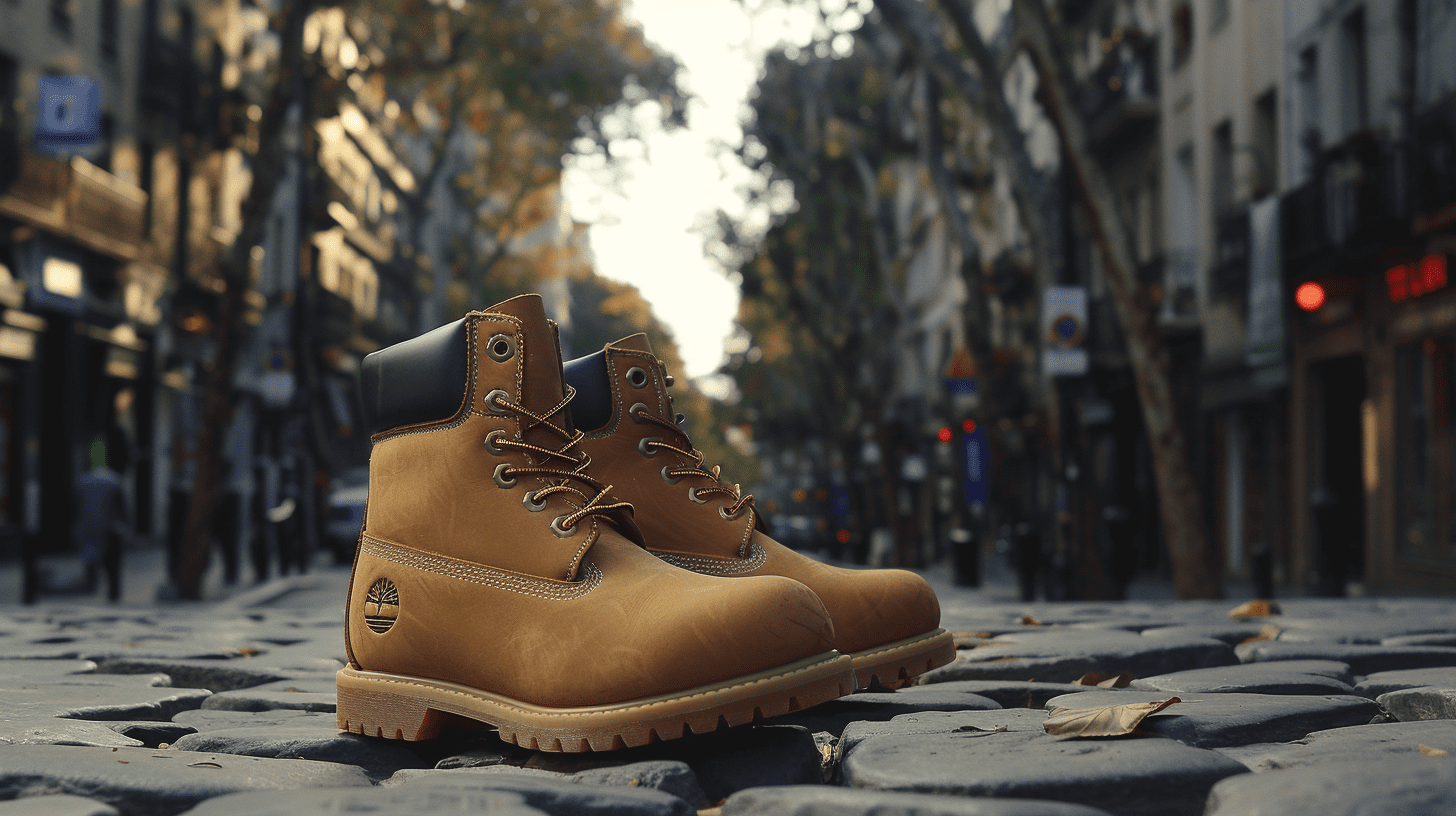
While this may seem unfair to residents, brand owners are driven by economic factors and consider it unprofitable to open stores in an area where the population generally has a lower income level. If someone truly wants to buy designer clothing, they’ll travel to Manhattan, Brooklyn, or other places where most of the major shopping centers and brand showrooms are located.
Scarcity Spurs Creativity
The negative factor mentioned above actually gives rise to another defining characteristic of Bronx fashion. The absence of major retail chains encourages people to be more creative with their clothing choices. For example, Flora Montes, the founder of Bronx Fashion Week, says that one of the designers she works with creates amazing works of art by using cheap denim jackets from the budget store Dollar Tree as a base.
You can read an article about Bronx Fashion Week under the direction of Flora Montes by following the link.
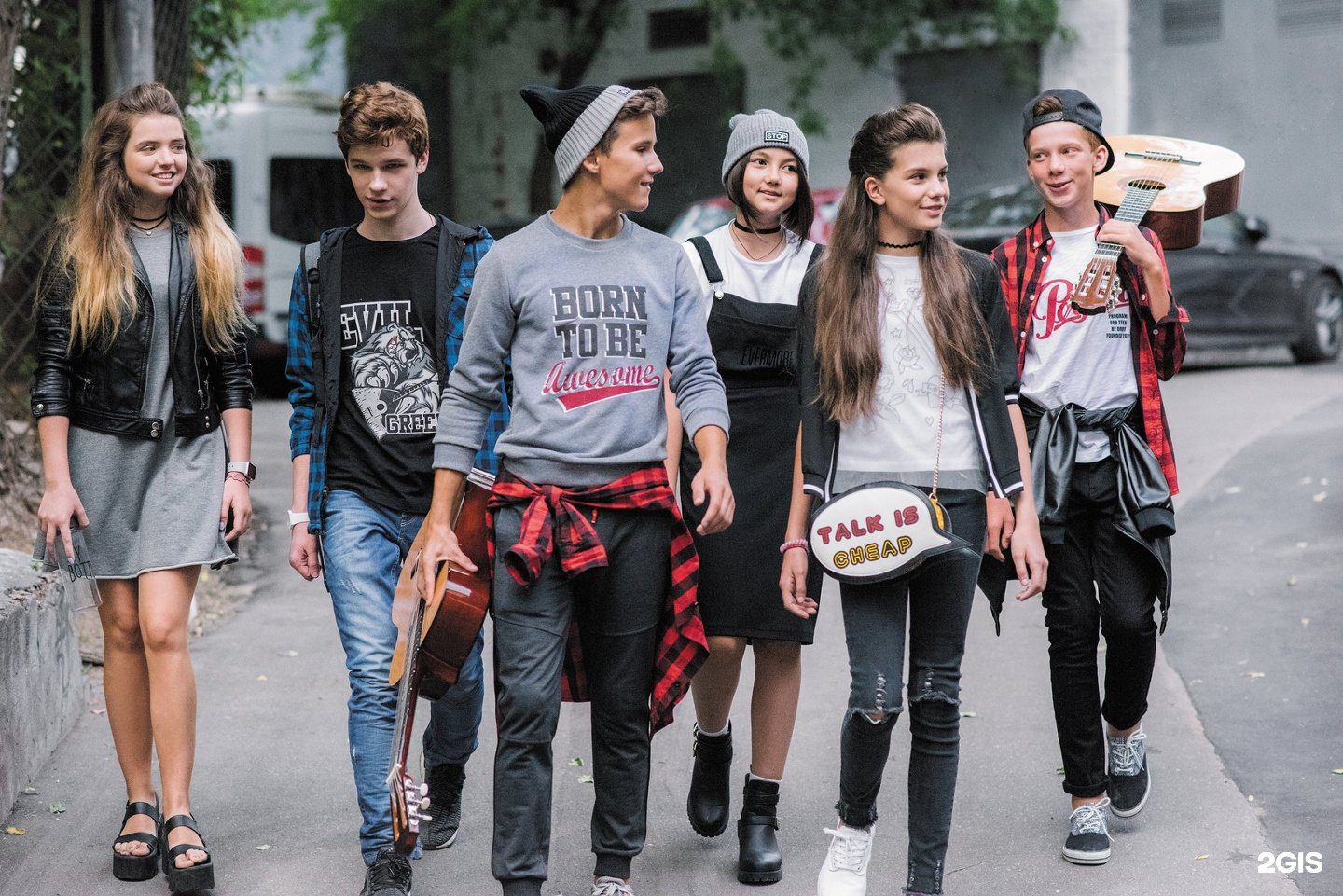
You can see unexpected fashion experiments on the streets of the Bronx. Eager to save money, residents of lower-income neighborhoods use their imaginations to the fullest: they create their own versions of famous designer items, creatively combine different pieces of clothing, and make interesting DIY accessories.
A Case for Headwear
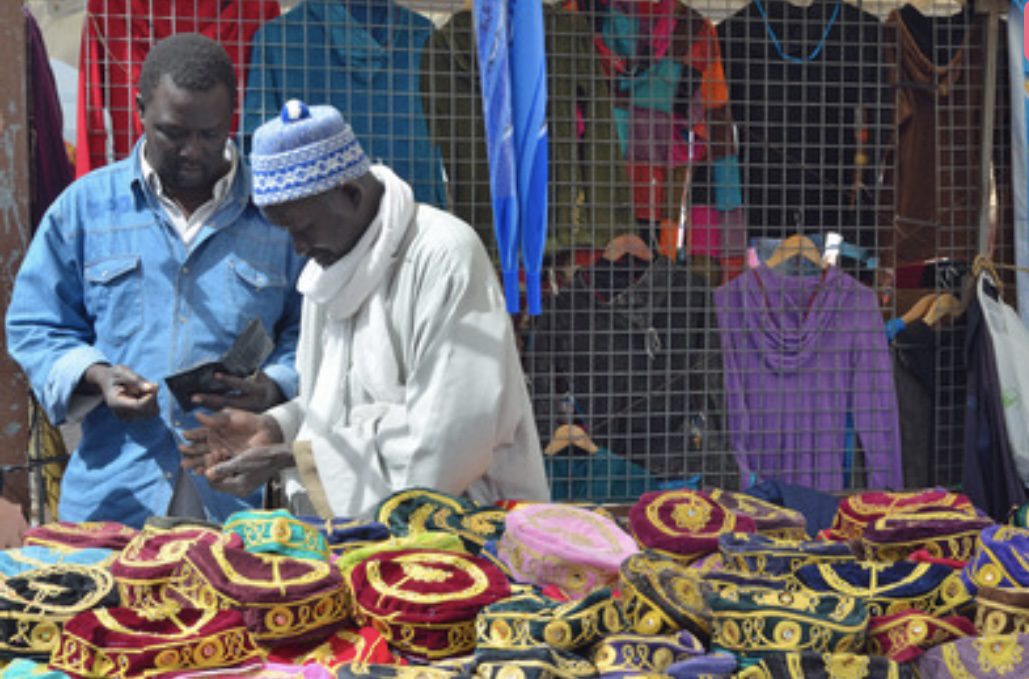
Another unique feature of local fashion in the Bronx is the popularity of headwear. People here wear hats almost all year round. This likely started as a simple way to cover unwashed or unkempt hair, as going to the barbershop or salon is not cheap. Over time, it became a habit and a core part of the local look. While baseball caps are the most common, other headwear and accessories are also seen, including hats, bucket hats, and headbands.
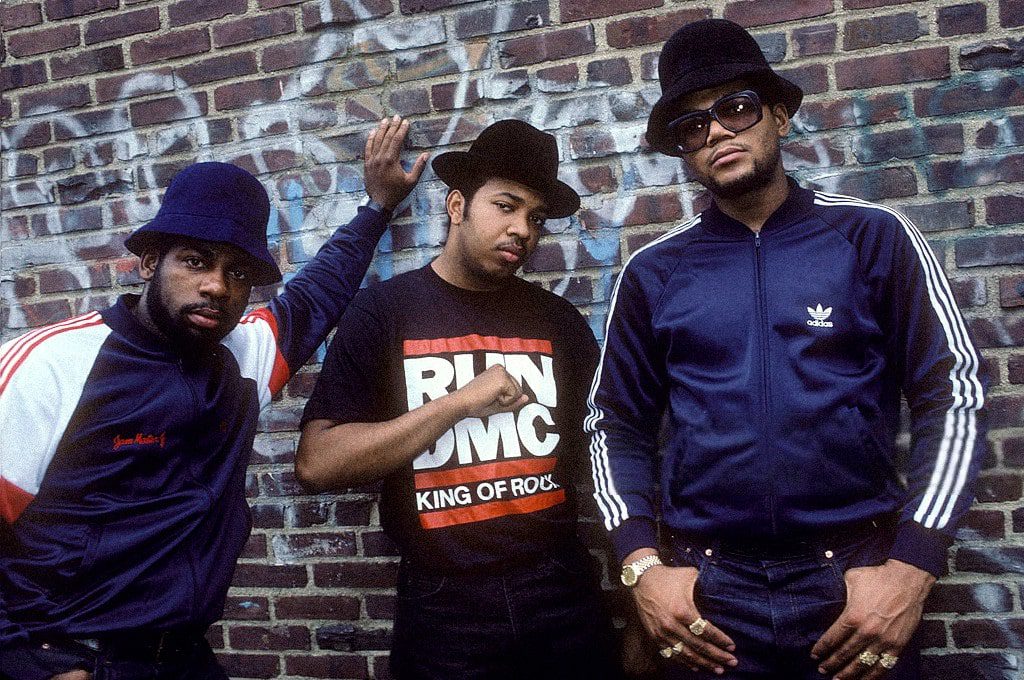
Especially in the Williamsbridge neighborhood, which has a large Caribbean and West African population, you can often spot Rastacaps—knitted green, yellow, and red hats often worn by Rastafarian men, Gele—traditional headwraps worn by Yoruba women as an accessory to an Iro skirt and Buba blouse, or Aso Oke hats—soft hats with African patterns made from the hand-woven fabric of the same name (typically worn by Yoruba men).
The Evolution of Street Fashion
The Bronx has always loved bright and colorful clothing, especially for women. This began during the Harlem Renaissance in the 1920s and ’30s. At the time, men wore simple work clothes or business suits with top hats. Women, however, tried to look as flashy as possible. Women from the lower class chose multi-colored dresses with bodices, while wealthier women wore luxurious long gowns to show off their wealth.
One of the popular items of clothing at the time was the flapper dress, which was sleeveless and usually had a short, knee-length skirt. This dress was often paired with trendy hairstyles and shiny, colorful jewelry. This style was controversial and challenged the traditional norms of puritanical America. In many ways, a kind of fashion revolution was taking place in the Bronx during that period.
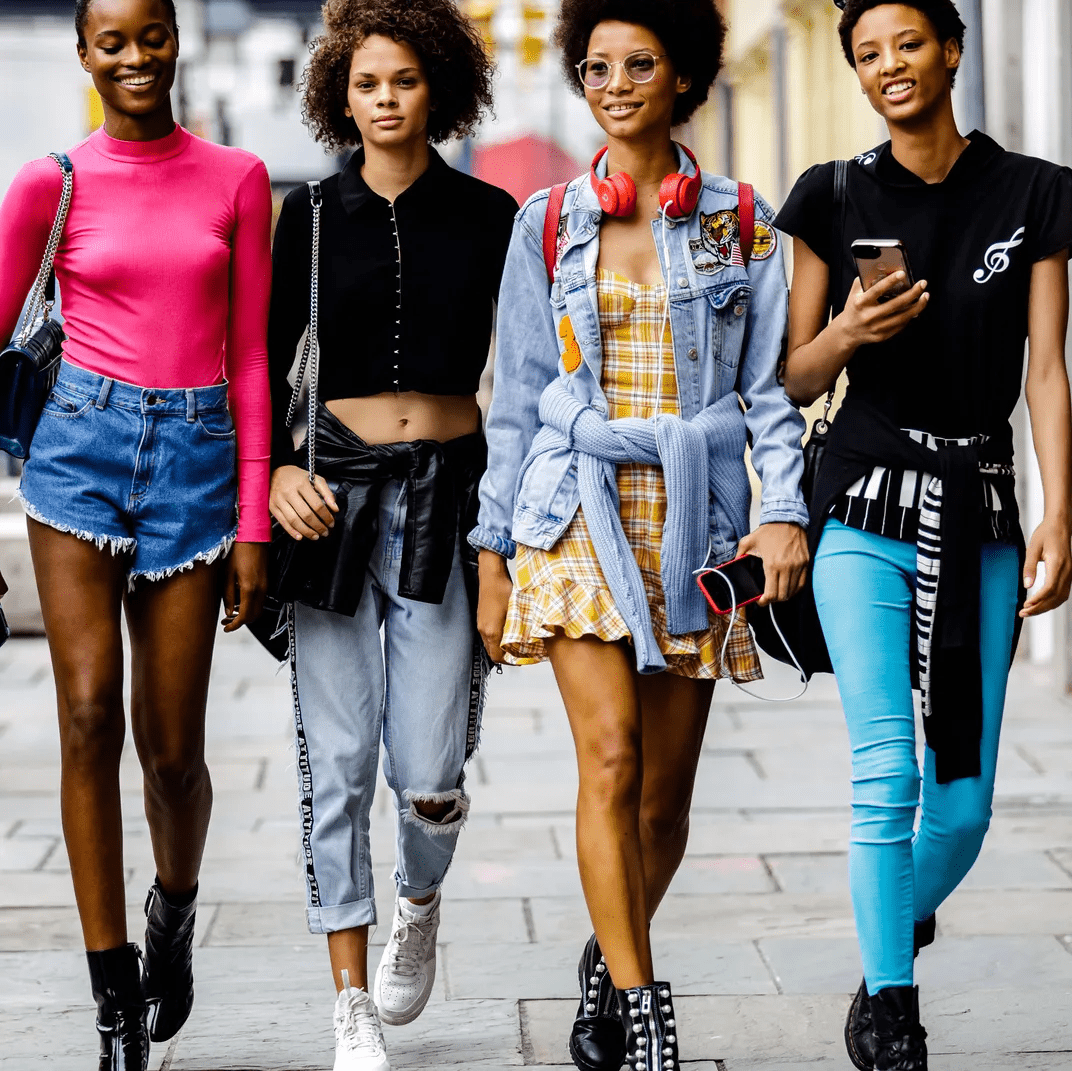
In the second half of the 20th century, a growing underground movement took hold in the Bronx, as it did throughout New York, seeking greater freedom in style. This led to a rise in the popularity of streetwear, which became an expression of personal identity among the working class, transforming fashion into an accessible form of art and self-expression.
Modern Bronx street style is characterized by wide-leg pants, baggy jeans, T-shirts with vibrant prints, stylish hats, flashy, oversized accessories, and chunky sneakers.
African Influence
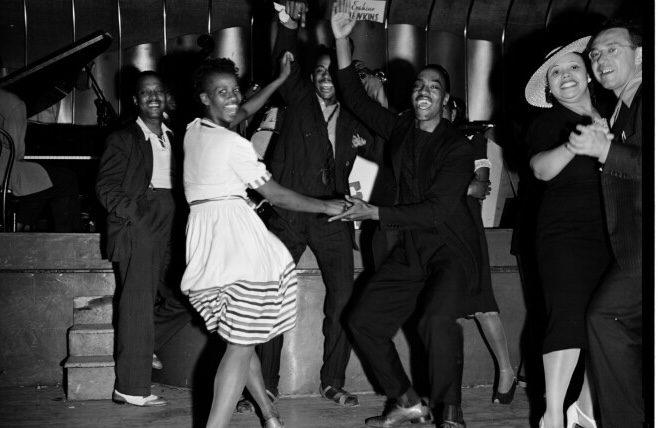
African culture is quite prevalent in the Bronx, and it has a clear impact on local fashion. In the last century, baggy, colorful clothing for men and more revealing, expressive outfits for women became popular. One of the most striking examples of street style from that era was the zoot suit—a baggy suit with narrow cuffs and a high waist, which was very popular among young African American men.
Even in the modern Bronx, you can often see men wearing an agbada—a loose robe characteristic of the Yoruba people, paired with a kufi—a popular Nigerian cap.
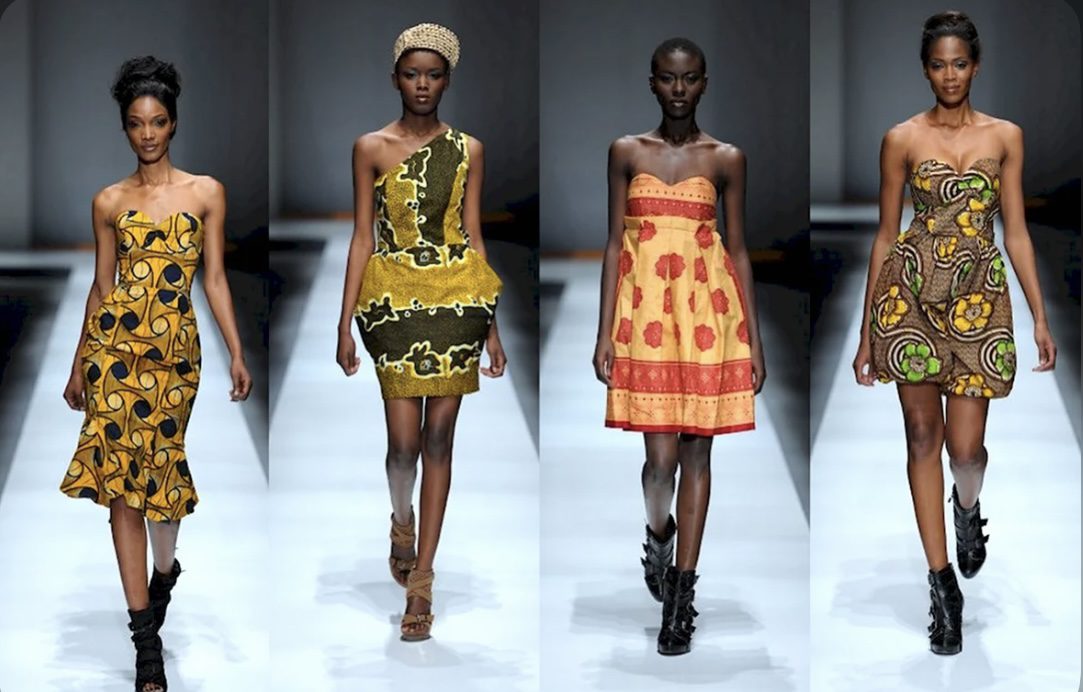
It was under the influence of Caribbean and African American fashion that people started wearing brighter colors and patterns. This is even reflected in the work of designers featured at Bronx Fashion Week.
You can read an article about the well-known Bronx designer Magzi McFly and his career in the fashion industry by following the link.
The Influence of Musical Taste
One of the key factors that changed fashion trends in the Bronx in the second half of the 20th century was the development of new music styles, including rock ‘n’ roll, early reggaeton, salsa, and of course, hip-hop. Many fans of popular artists emerged, and everyone tried to emulate their favorite musicians. At one point, there was a huge demand for leather jackets like Elvis Presley’s, then bell-bottoms often worn on stage by David Bowie. This led to classic suits and ties taking a back seat, and a kaleidoscope of styles came into fashion, constantly changing depending on musical tastes. Clothing became more original, individual, bright, and interesting.
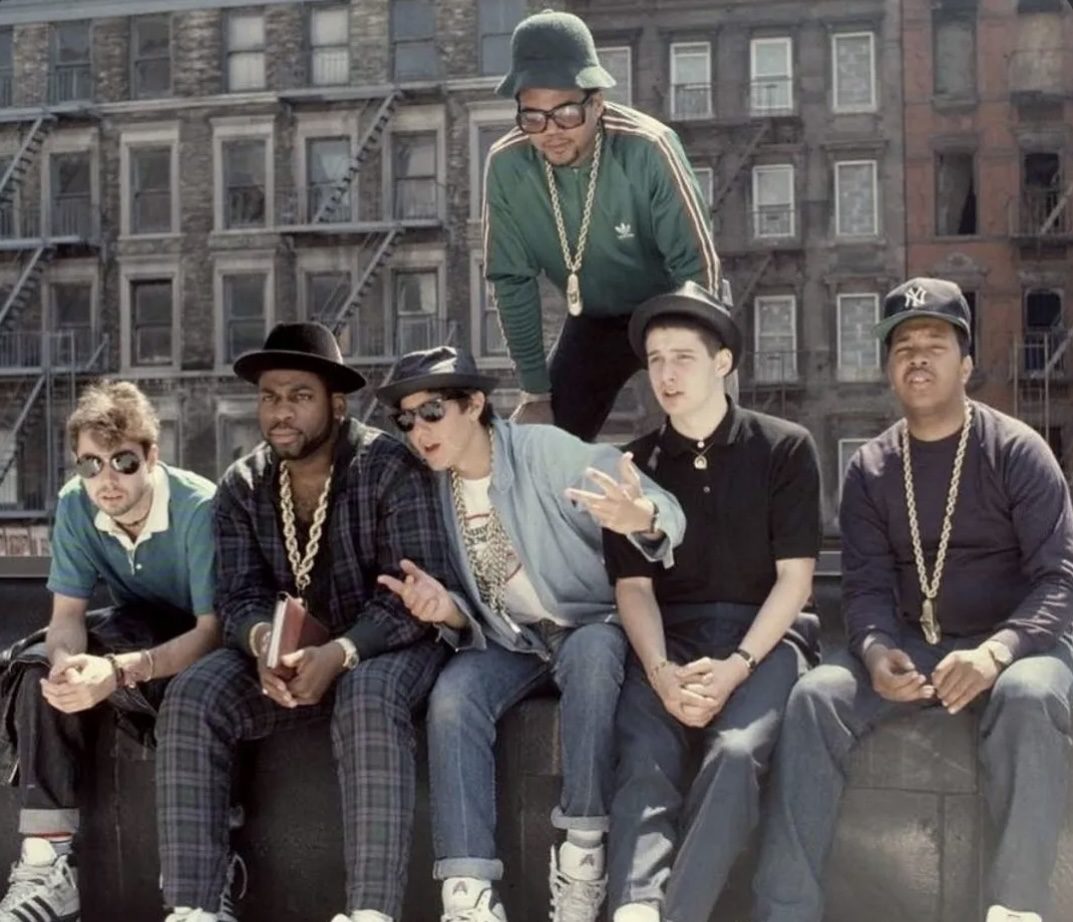
A significant impulse for the popularization of athletic streetwear came from the rise of music styles like reggaeton and hip-hop in the Bronx. At the same time, hats, jeans, baseball caps, vests, long T-shirts, and flashy accessories became fashionable.
Ultimately, fashion in the Bronx is a diverse and multifaceted thing. It’s truly difficult to surprise anyone with your appearance here. Modern trends from Bronx Fashion Week are intertwined with authentic African motifs and a mix of looks from various musical genres. Surprisingly, it all comes together in a very harmonious and organic way.
- https://academicworks.cuny.edu/gc_etds/189/
- https://thebronxbulletin.com/f/the-bronxs-fashion-paradox-retail-desert-and-creative-haven
- https://academicworks.cuny.edu/cgi/viewcontent.cgi?params=/context/gc_etds/article/1188/&path_info=ContrerasHernandez_minarees_0046N_13122.pdf
- https://thesciencesurvey.com/spotlight/2024/02/07/an-overview-on-the-evolution-of-bronx-streetwear/