

Department stores that emerged in the United States in the late 19th and early 20th centuries became a symbol of new opportunities and a way for immigrants to adapt to American life. The majority of the Jewish community shopped there, and many of these newcomers also worked in clothing factories. But there was another part of the Jewish community that not only went against the prevailing fashion trends of the time but also dictated their own views on what was fashionable. You can learn more about both groups of Jewish immigrants and their impact on fashion in the Bronx on bronxanka.com.
Immigrants Fueled the American Garment Industry
Jewish immigrants played a pivotal role in the growth of the American garment industry. Working conditions in the factories were sometimes harsh, but Jews seeking a better life in the US weren’t afraid of hard labor and were willing to work anywhere just to stay in the country. From the mid to late 19th century, German and Jewish immigrants became the founders of the men’s clothing industry in the country.
Suits were a vital part of a man’s wardrobe, essential for finding work and maintaining a professional image. At the time, most clothing was custom-made, but after the invention of the industrial Singer sewing machine in 1855, factories began mass-producing ready-made suits. The biggest manufacturing hubs became Boston, New York, and Philadelphia. New York eventually transformed into a global fashion capital for both design and production. By 1858, the value of men’s clothing production had reached $40 million.
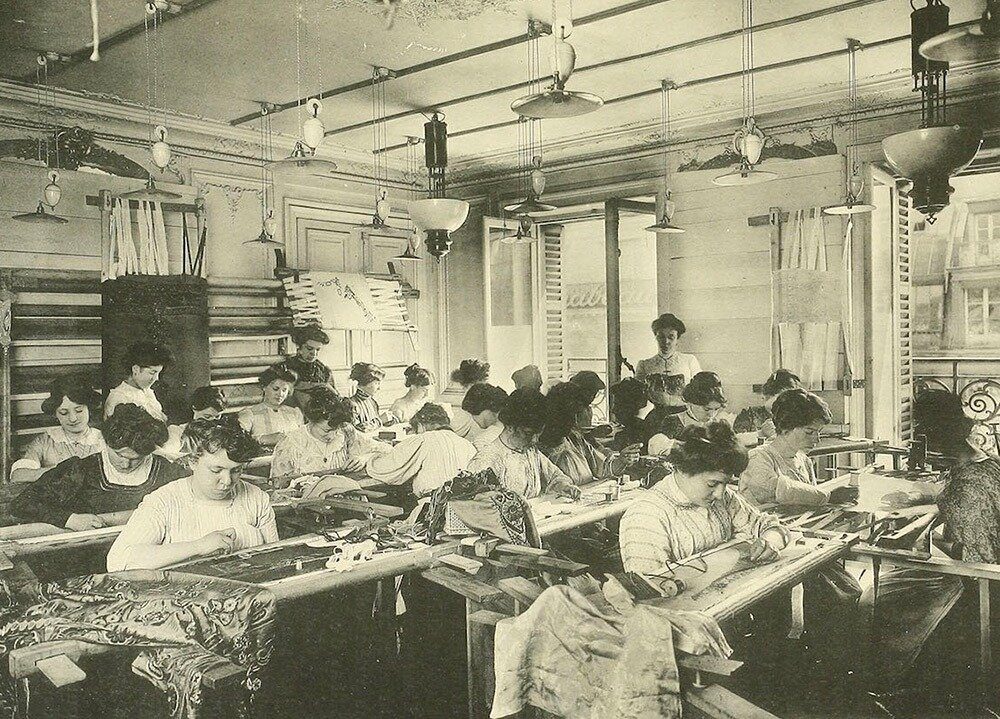
Many Jewish families started their own factories, which later grew into well-known brands like Levi Strauss, Bendels, and Bergdorfs. Jews eventually took leading positions in the industry—opening their own production facilities, trading fabrics, and participating in trade fairs. They had a keen sense of fashion and were successful in sales.
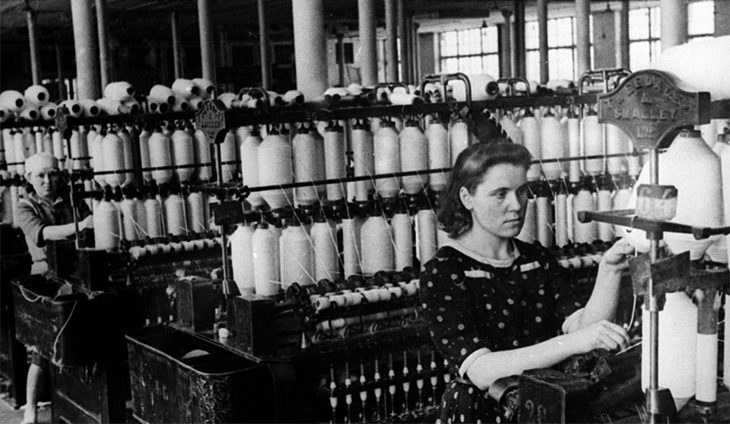
Over time, working conditions in the garment factories improved. They became more associated with good pay, stylish clothes, and a friendly atmosphere. The products from local factories were sold first in New York stores and later across the country, including in large department stores.
Department Stores in the Late 19th and Early 20th Centuries
Modern department stores are very different from those that existed in the late 19th and early 20th centuries. Back then, they were true hubs for women’s shopping, offering a wide range of clothing from many manufacturers, but only in small quantities. Everything was sold “a little bit of everything.” Today, department stores focus on specific brands and buy the same items in bulk. Plus, most clothing is no longer made in the US.
Jewish immigrants had a huge impact on the textile and garment industries, especially in suit manufacturing. Stores like Hutzler’s, Hochschild Kohn’s, Hecht’s, and Posner’s were more than just shops—they were elegant, almost palatial places that transported shoppers into a world of dreams, fashion, and status. Clothing served an important social function, helping people shape their identity, demonstrate their standing, and emphasize their exclusive status. Starting in the 1880s, department stores offered women access to fashionable imported clothing at fixed prices. They set the standards for style and taste.
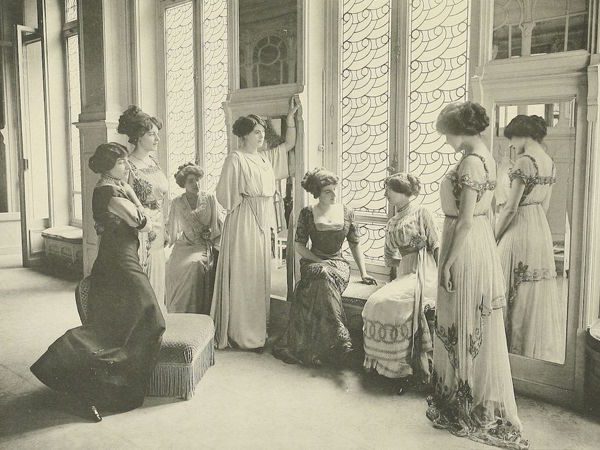
After the Civil War, the American garment industry grew rapidly. When mass factory production began, department stores were the first to actively sell ready-to-wear women’s clothing. They didn’t just sell it; they also set fashion trends, encouraging women to buy the latest seasonal items.
Department stores were especially influential for Jewish women. For immigrants from Russia and Eastern Europe, they served as schools of style. The clothes from these stores allowed them to look “American” and adapt to their new lives more quickly. Appearance became an accessible way to raise one’s social status and integrate into American society.
Even those who lived modestly tried to look modern. In her autobiography, The Promised Land, Mary Antin recounts how she was finally able to shed her old-fashioned European clothes and get dressed in “real American” attire—modern, beautiful, and machine-made—at a department store.
Berta Kling: Bronx Fashion Icon
Berta Kling was born in 1886 in the town of Navahrudak, which was then part of southeastern Poland and is now located in Belarus. Berta married her childhood acquaintance, Yehiel, and moved with him to the Bronx. While he was studying to become a doctor, the couple lived in cramped quarters with relatives. Only after he received his medical license were they able to buy their own home, which soon became a meeting place for young Jewish writers.
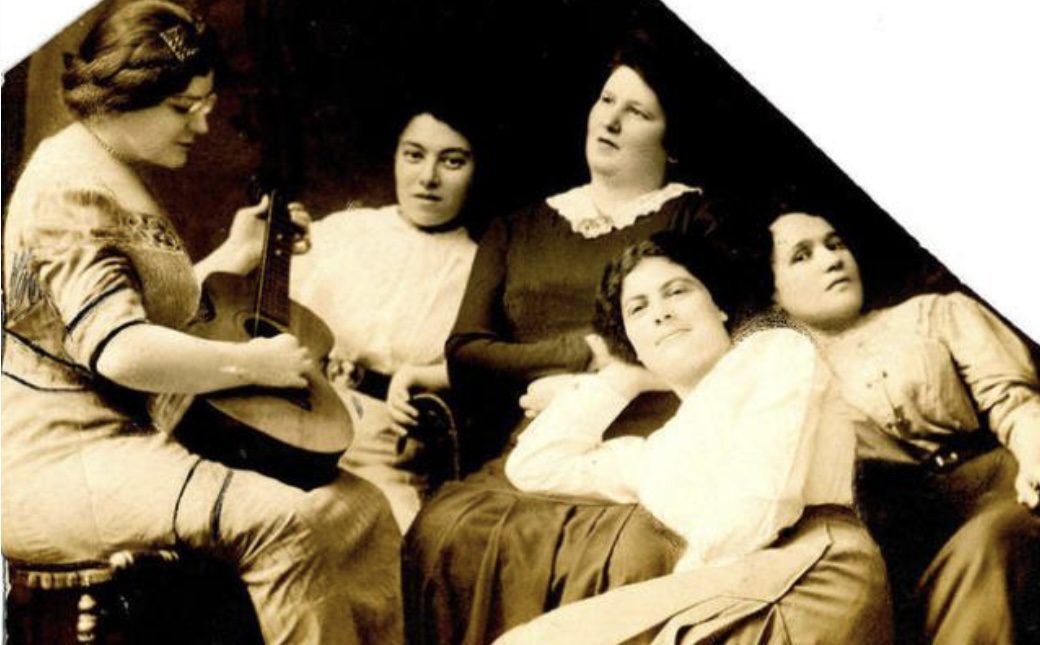
Berta always welcomed guests. The refreshments were simple: tea and homemade cookies. But the main draw wasn’t the food, it was the atmosphere: music, conversations, and lively socializing. Frequent guests included poets from the group Di Yunge—Reuben Iceland, Zishe Landau, David Ignatoff, Joseph Opatoshu, and Mani Leib. Even famous artists like Sholem Asch, Jacob Glatstein, and Sholem Aleichem himself came to visit.
Berta wasn’t just a host; she was a poet herself. While her works were more like lyrics for singing, miniature librettos for imaginary mini-operas, her deep voice was compared to a “celestial echo,” and her renditions of folk songs were full of unique sincerity. After hearing her sing, one professional singer said, “If Berta had my voice and I had her soul, we would conquer the whole world.”
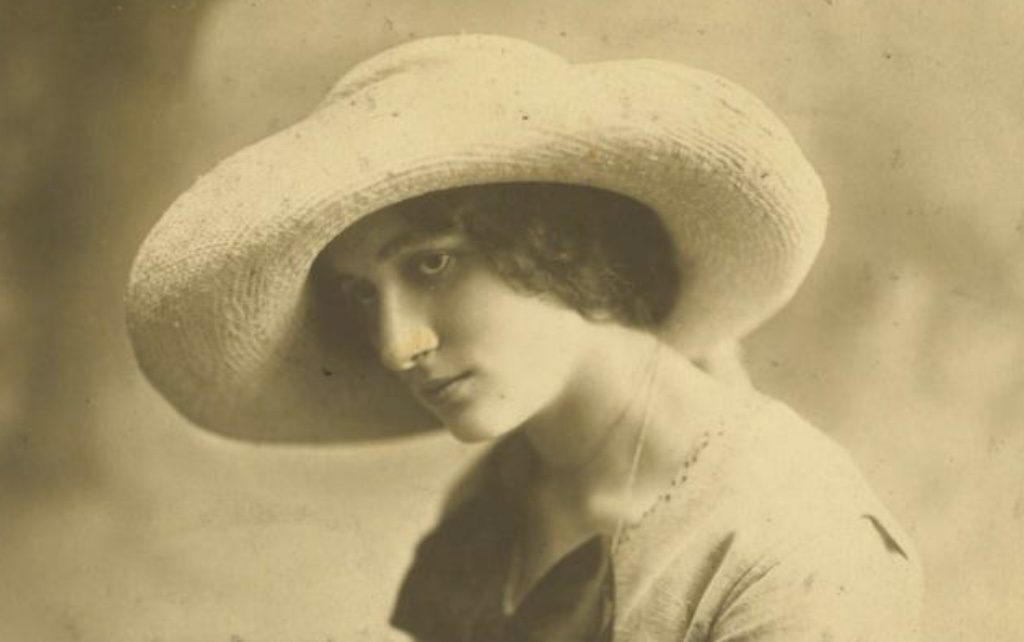
Berta Kling was also known for her exquisite style and impeccable taste. Men were always captivated by her, and women tried to replicate the fashionable looks Berta surprised everyone with at every gathering. Furs, lace, pearls, velvet, silk scarves, and elegant hats were all Berta’s favorites. Through her example, she showed Jewish women that they shouldn’t hide or be ashamed of their immigrant status, that they were no less than American women and had the right to look luxurious.
The Jewish Community’s Contribution to Bronx Fashion
Overall, Jewish women were much bolder and more creative than their American counterparts. They weren’t afraid to experiment and break fashion conventions in search of new, original looks. However, this was more true for the creative, artistic part of the Jewish community. The ordinary working class dressed in a more uniform way, not wanting to stand out. In fact, these simple immigrants wanted to blend in with the crowd to look as much like locals as possible. But the bohemian crowd behaved differently.
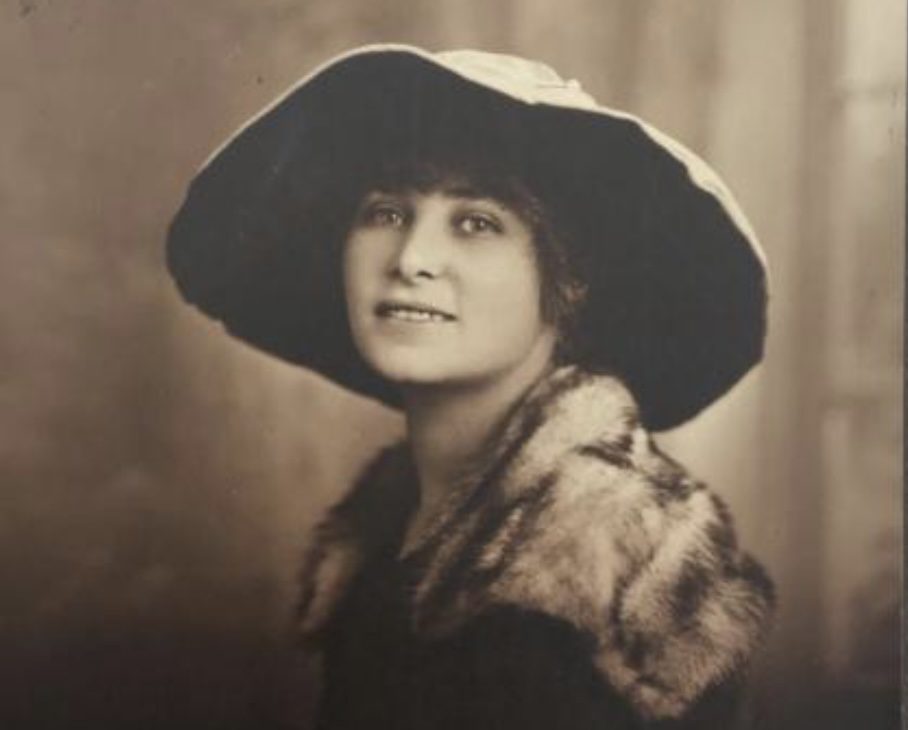
Lara Chernyavska, the wife of the leader of the Yiddishe American Jazz Band, was a musician and a social and artistic personality. She often appeared in photos wearing bright, unconventional outfits for American fashion at the time. For example, she wore an elegant coat with a luxurious fur collar, which was cut almost from a square shape, draping the exquisite fabric over her figure. Chernyavska was rarely seen without a hat. They always drew attention with their original cuts and interesting details. This woman also started a trend for hats with a dark lining that contrasted perfectly with the face, highlighting it.
Two other famous Jewish fashionistas were Malka Lee and Ida Glazer. In the 1920s, they shocked society with short skirts, bare arms, and drop-waist dresses. Some condemned the women for being too provocative, but secretly, everyone admired them. Malka Lee, who immigrated as a teenager to the Bronx from the small town of Monastyryshche in modern-day Ukraine, caused a real sensation at her wedding by appearing in a dress that was quite short for the time.
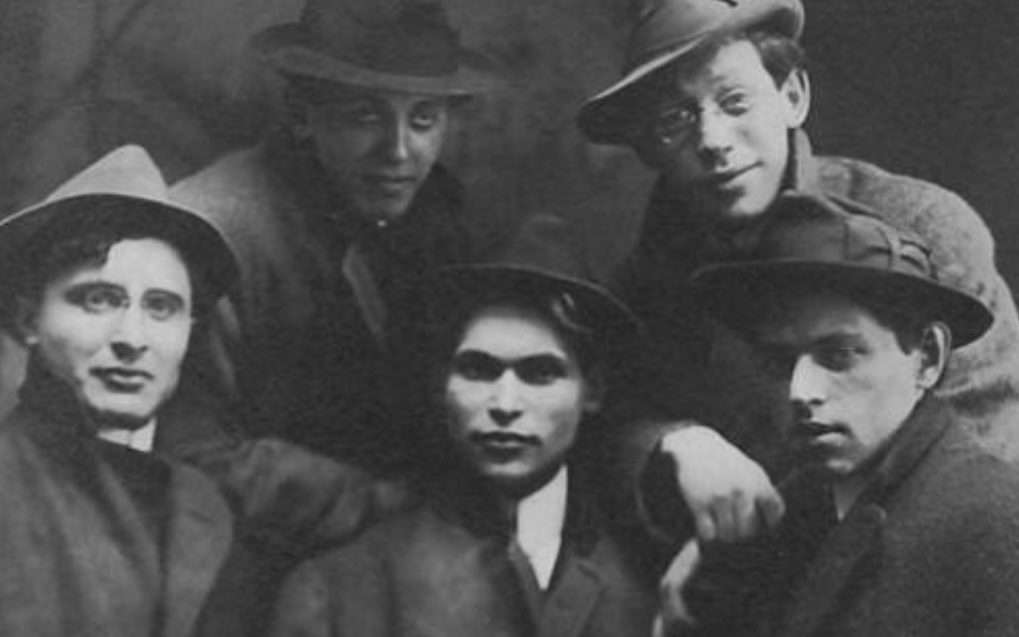
Young Jewish poets like I.J. Schwartz or Joseph Opatoshu often wore soft felt hats instead of top hats. In doing so, they sought to show their disregard for bourgeois elegance and emphasize their artistic independence.
Ultimately, the Jewish community added a distinctive “twist” to American fashion, breaking up its monotony with bold accents. Berta Kling and her bohemian circle are just one part of the Jewish fashion world in the Bronx. Similar creative pockets existed throughout New York and helped to shape the unconventional and sometimes controversial fashion trends of the US in the late 19th and early 20th centuries.