

Your summer skincare routine is way different from what you do in the winter or even the spring. In hot weather, your skin is most affected by high temperatures, intense UV radiation, and humidity. Under these conditions, your skin starts to sweat more, produce more oil, your pores can expand, and your skin’s hydration might drop. There’s also a sharp increase in the risk of hyperpigmentation. So, what exactly should you do to care for your skin this summer? How do you pick the right products? And which professional treatments should you book now, and which should you save for the fall? We’ll dive into all that on bronxanka.com.
Cleansing and Hydration
Sunscreen is a must-have for summer, but we’ll get to that in a bit. First, let’s focus on two equally important steps: cleansing and hydration.
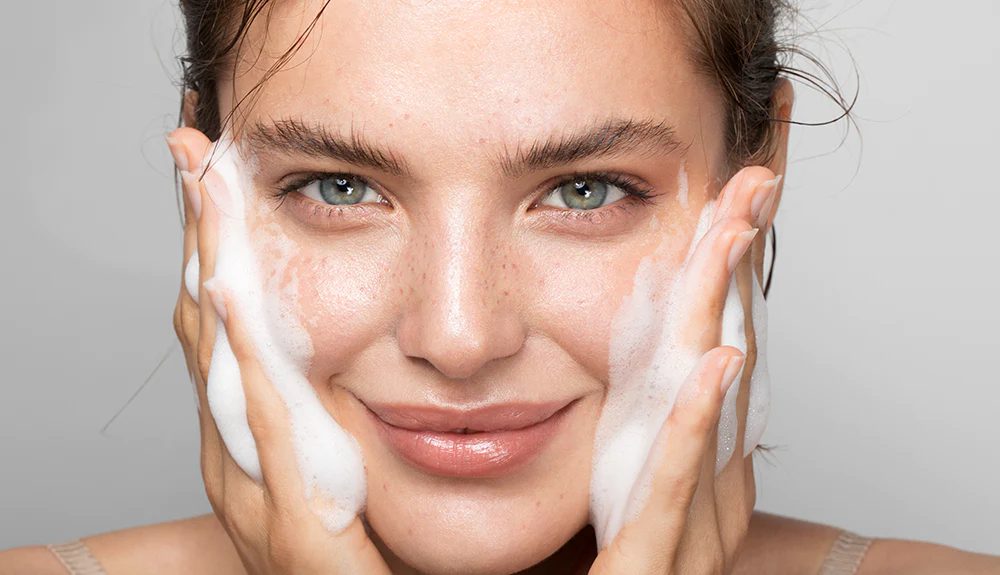
Bronx esthetician Aiza Karimova, who has over 7 years of experience and works at her own salon on East Street, stresses that your skin works harder in the heat: more sweat, more sebum, and more impurities. Because of this, your usual morning and evening wash might not be enough. To keep your skin clean and fresh, you can cleanse it throughout the day with:
- Your regular cleanser, like a foam or gel (if you have access to water).
- Special facial cleansing wipes.
- Micellar water.

After cleansing with tap water, it’s best to use a toner. It helps neutralize the negative effects of chlorine and mineral residue, and it also soothes and adds extra hydration to your skin. Toners also support your skin’s water balance and can have therapeutic properties, like reducing inflammation, tightening pores, and fighting irritation.
Hydration is the next step. After cleansing, your skin needs quality moisture. In the summer, it’s better to choose light textures like fluids, gels, or emulsions. To avoid weighing down your skin, keep makeup to a minimum. Ideally, apply only a moisturizer, BB or CC cream, or a product with SPF.
Summer creams should contain not only moisturizers like hyaluronic acid, glycerin, and natural oils but also antioxidants like vitamins C and E. They help protect skin cells from the free radicals that trigger the aging process.
So, the basic summer routine is regular cleansing, light hydration, and a must-have sunscreen. This combination will help keep your skin healthy and clear.
How to Use SPF Products Effectively
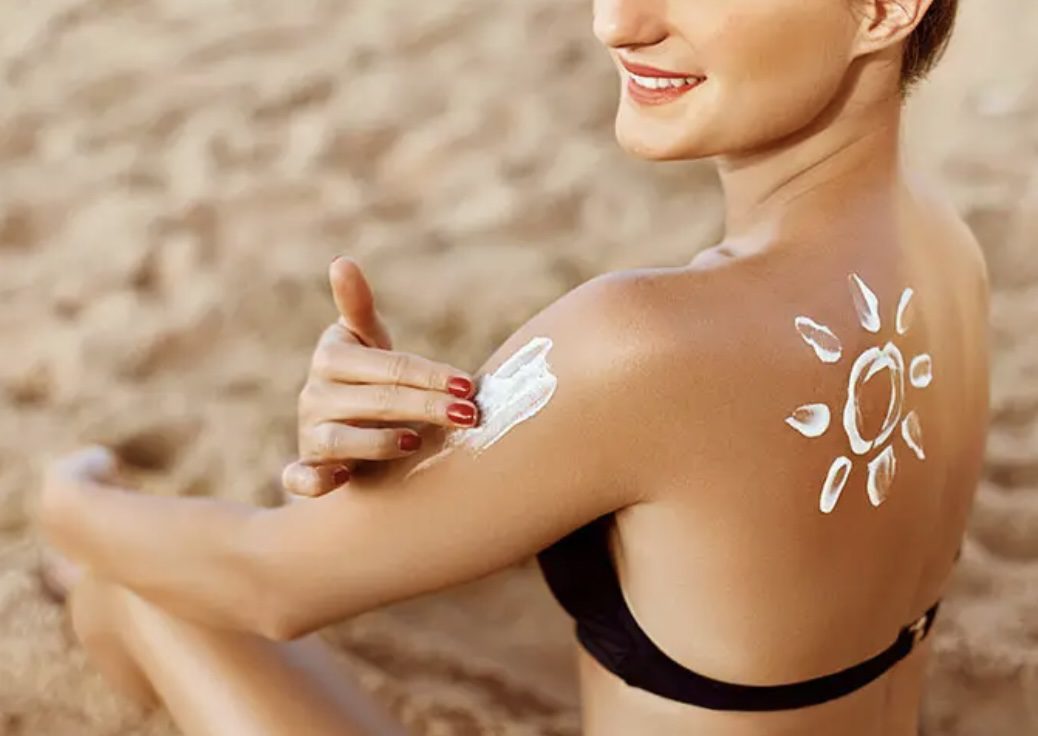
Sunscreen is the most important product in your summer routine. It reliably protects your skin from harmful sun rays and is especially necessary for people with sensitive skin. Be sure to apply a thin layer before you go outside, even if the day isn’t overly hot or sunny.
Here’s what to keep in mind when using SPF cream:
- If you have light skin, choose a product with a high SPF, like 25, 30, or even 50 (this number is on the packaging).
- If you have olive or darker skin and usually tan well without burning, an SPF of 15 or 20 will work.
- Oily or combination skin responds better to sunscreen emulsions. They have a creamy texture but are lighter and work on the skin’s surface without clogging pores.
- Reapply protection several times a day and every time after swimming.
- Avoid the sun during its peak hours (approximately 11:00 AM to 4:00 PM).
- If your skin still gets a sunburn, a product with D-panthenol will help soothe it.
- You need sunscreen for more than just your face—use it daily for your body as well.
- Your neck, décolletage, ears, and hairline are also vulnerable to the sun, so don’t forget them.
- Regular cream isn’t for your lips—it’s best to use a lip balm with UV protection.
Skincare for Different Skin Types
- Skincare for Combination and Oily Skin.
In the heat, it’s helpful for those with oily or combination skin to occasionally do a light peel or scrub to unclog pores. Cleanse combination skin in the summer with products that have antibacterial, anti-inflammatory, and mattifying properties. But remember: don’t immediately go into the sun after these procedures; give your skin time to recover. Daytime hydration should be light (serum + fluid), and nighttime nourishment should be a nourishing cream without heavy textures or comedogenic ingredients. Exfoliate and use mattifying masks (clay, sage, green tea) once or twice a week, and use moisturizing masks less often. Nourishing masks are not recommended. And be sure to apply sunscreen with chemical filters (avobenzone, mexoryl, tinosorb)—they should be applied 20 minutes before sun exposure.
- Skincare for Sensitive Skin.
Sensitive skin needs gentle care. In the summer, the main goal is to strengthen capillaries and reduce redness. Summer products for sensitive and problematic skin should soothe, reduce inflammation, promote recovery, and strengthen the protective barrier. Look for ingredients like aloe vera, allantoin, hyaluronic acid, ceramides, vitamin E, and centella. Sunscreen should also be soothing and suitable for sensitive skin—it’s better to choose mineral or hybrid filters over chemical ones.
- Skincare for Normal Skin.
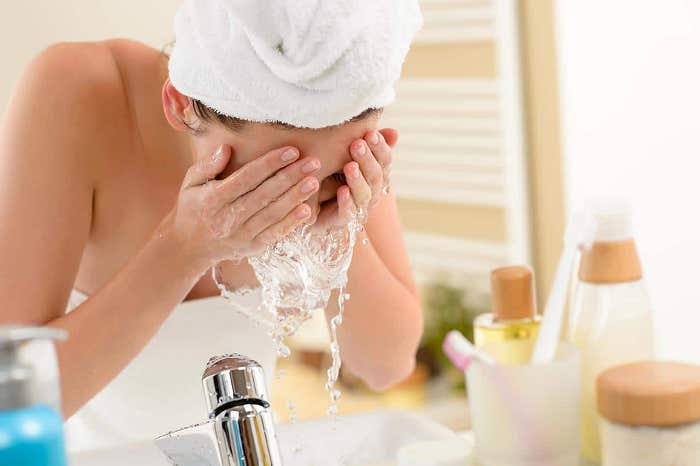
Use classic products: first micellar water, then a foam or cream-gel with moisturizing ingredients. Next, apply toner, serum or fluid, and cream, and finish with sunscreen. But in the summer, it’s best to layer your moisturizer in several steps. It’s a good idea to have ingredients like squalene, Vaseline, silicones, or plant-based oils (shea, coconut) in your products. Use active ingredients (vitamin C, niacinamide, acids) in serums.
- Skincare for Dry Skin.
Cleansing dry skin in the summer should be gentle and infrequent; sometimes you can even skip the morning wash. Use a delicate gel or foam with humectants. Toner is a must to restore pH—make sure it’s alcohol-free but contains aloe, glycerin, or hyaluronic acid. Hydrate daily, both superficially (with cream) and deeply (with serums, masks). Nourishment is needed even in the summer: use night creams, nourishing masks, and serums 1-3 times a week. For protection, use a day cream with SPF and moisturizing components.
In-Salon Treatments for Summer
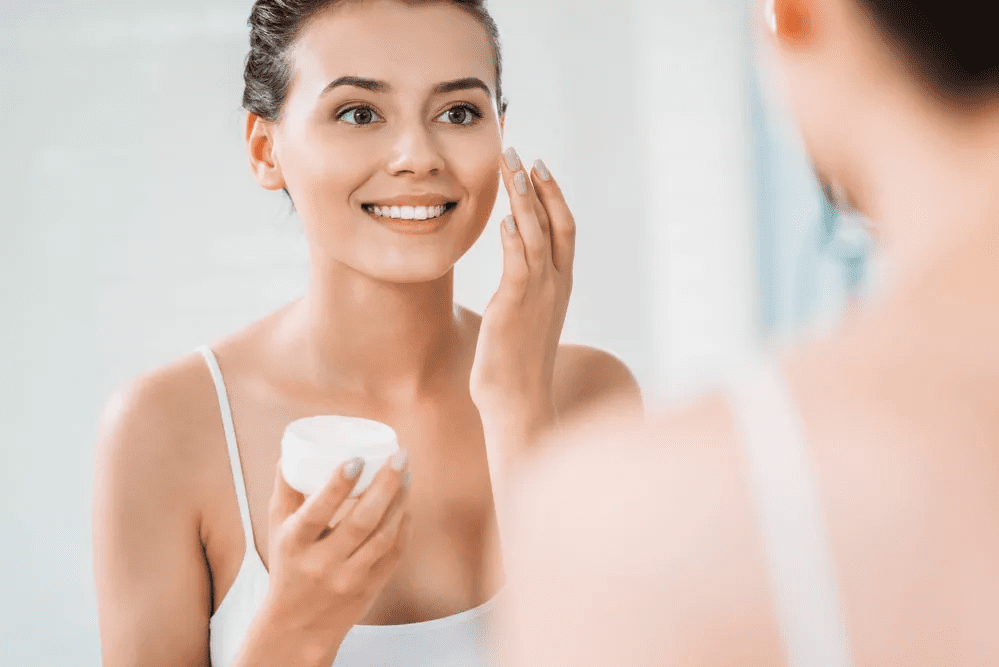
In the summer, beauty salons can be a real lifesaver for your skin. The most popular services in the heat are hydrating treatments, anti-rosacea care, lymphatic drainage, mesotherapy, facials, and cooling masks.
- Hydration is the key to healthy skin in the summer. One of the most effective ways is biorevitalization, where hyaluronic acid is injected under the skin for deep hydration. The procedure is great for dehydrated or tired-looking skin and helps with the first signs of aging, loss of tone, and a network of fine lines. It’s especially beneficial for people over 30-35.
- Rosacea (couperose) is a vascular issue that often affects sensitive skin. In these cases, the skin becomes red and vulnerable. A salon can choose an anti-rosacea program, which might include special treatments to improve blood circulation and strengthen capillaries.
- Lymphatic drainage facial massage improves blood and lymph circulation, reduces swelling, increases skin tone, and promotes renewal.
- Mesotherapy is another injectable method where vitamin cocktails are delivered under the skin. They work quickly and provide noticeable rejuvenation. The procedure is also effective for fighting acne.
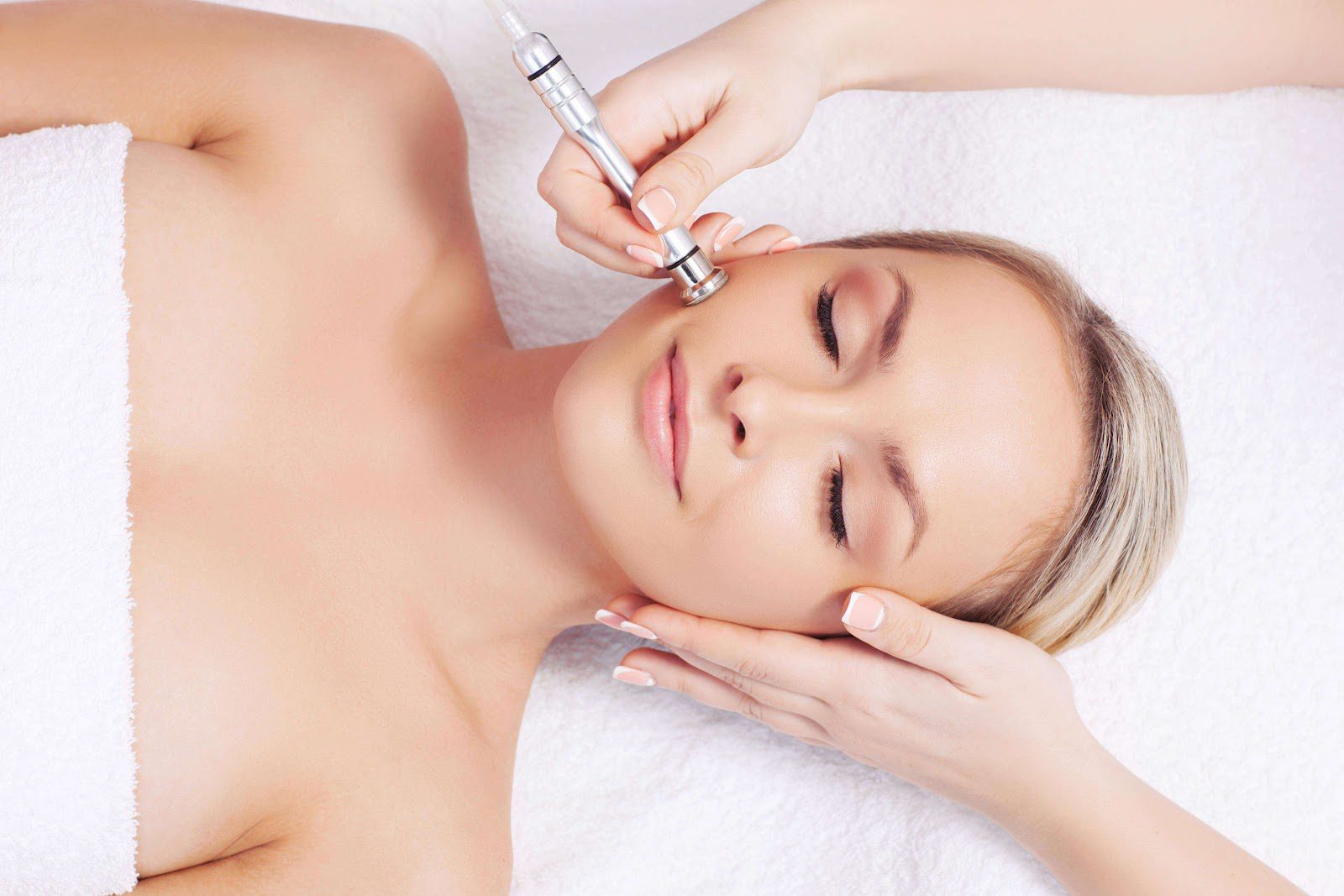
- A facial is a safe, simple procedure that allows for deep cleansing of pores, removal of excess oil, and a refreshed look.
- Cooling masks are a real lifesaver on hot days. They quickly reduce swelling, refresh, and firm the face. These masks can be done alone or added to other treatments for an even better effect.
You can also get microcurrent therapy, carboxytherapy, cryotherapy, darsonvalization, galvanization, and other non-invasive, device-based treatments in the summer. These won’t significantly break the skin barrier or cause burns and don’t require a long recovery period.
As for peels, you don’t have to put them off completely until the fall. Some acids in low concentrations are completely safe, even in the sunny season. For example, salicylic acid at 1% or mandelic acid at 5% can help with acne and excess sebum. For light exfoliation, you can use special pads or serums with acids a few times a week. When it comes to stronger acid peels, they should only be done under the supervision of a specialist. In the summer, it’s best to choose gentler options like a mandelic, ferulic, or azelaic acid peel at a salon. However, you should definitely avoid deep, aggressive peels, retinol treatments, and laser hair removal in the summer.
You can get all these treatments at leading salons in the Bronx. Some of the most popular among Bronx residents are Paumar Skin CosmoBeauty, Gems Beauty Bar & Spa, and A. Maks Aesthetic Med Spa.