

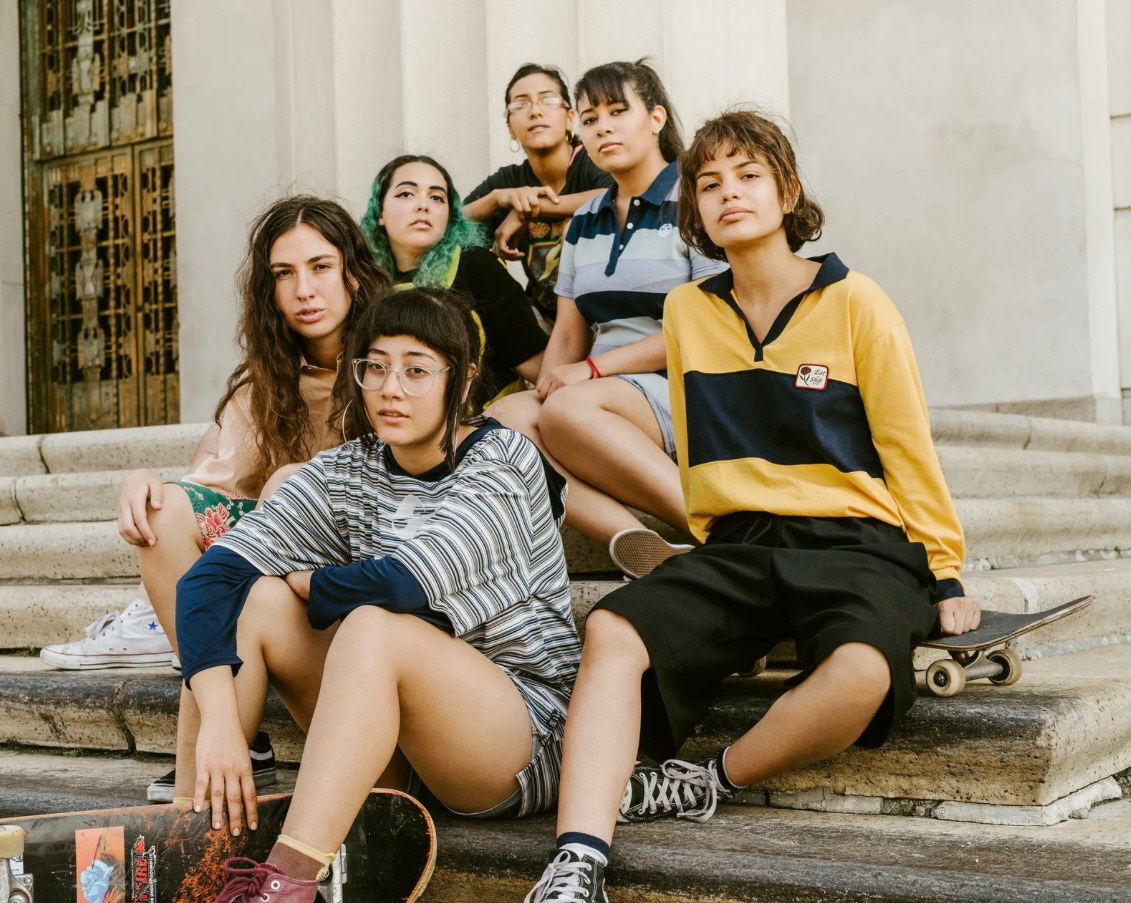
At first glance, they’re a girls’ skate team from the Bronx tearing up the asphalt of city streets. But their story has long outgrown the skateparks. Brujas are now community organizers, radical feminists, and creators of a new urban culture where sports, art, and politics are all intertwined. From the very beginning, Brujas has combined skateboarding with community organizing and political activism, focusing on fighting oppression and outdated social norms. Read on bronxanka.com more about this organization that defends women and other vulnerable groups in the Bronx.
The Skate Witches of New York
Arianna Gil grew up among the concrete courtyards of the East Village and the Lower East Side. At Tompkins Square Park skatepark, she was known as the girl who was always with a board. She mostly hung out with younger boys, her brother’s friends; Arianna had almost no female friends.
When she moved to Ohio to attend College, Gil didn’t leave skateboarding behind. It was there that it helped her find like-minded people in a female environment. Arianna created a signature course for women, where she taught not only tricks but also how to think critically about sexism in skate culture. In class, they analyzed an old article in Vice that belittled professional skateboarder Marisa Dal Santo.
When Gil came home for breaks, she spent time with her friend Sheyla Grullon and a group of guys from a skate collective called “Casino.” They filmed videos of their tricks, but women were never even invited to participate in the filming.
“They didn’t want us to be a part of it at all. It was weird,” Gil says.
This feeling of exclusion became the impetus for creating their own space. That’s how, in 2014, Brujas was born—a girls’ answer to “Casino.” They borrowed the name from the cult 1986 video Skate Witches, where punk skater girls in leather jackets knocked guys off their boards. The image of “witches” was combined with the founders’ Latin American roots and the spiritual tradition of brujeria.
“We’re intersectional feminists. Sisterhood, spirituality, and fighting sexism are all important to us,” Gil explains.
Brujas quickly transformed from a joke into a serious movement. Their Tumblr post went viral. Soon, more and more girls were coming to the park on 157th Street in the Bronx to skate together. The crew began to move beyond skateboarding. They organized parties, meetings, and various events.
“It’s important for us to create a supportive environment,” says member Sam Olivieri. “We’re not striving to be the best skateboarders in the world. It’s about solidarity and safety, especially in a city where spaces often become less friendly to people of color and women.”
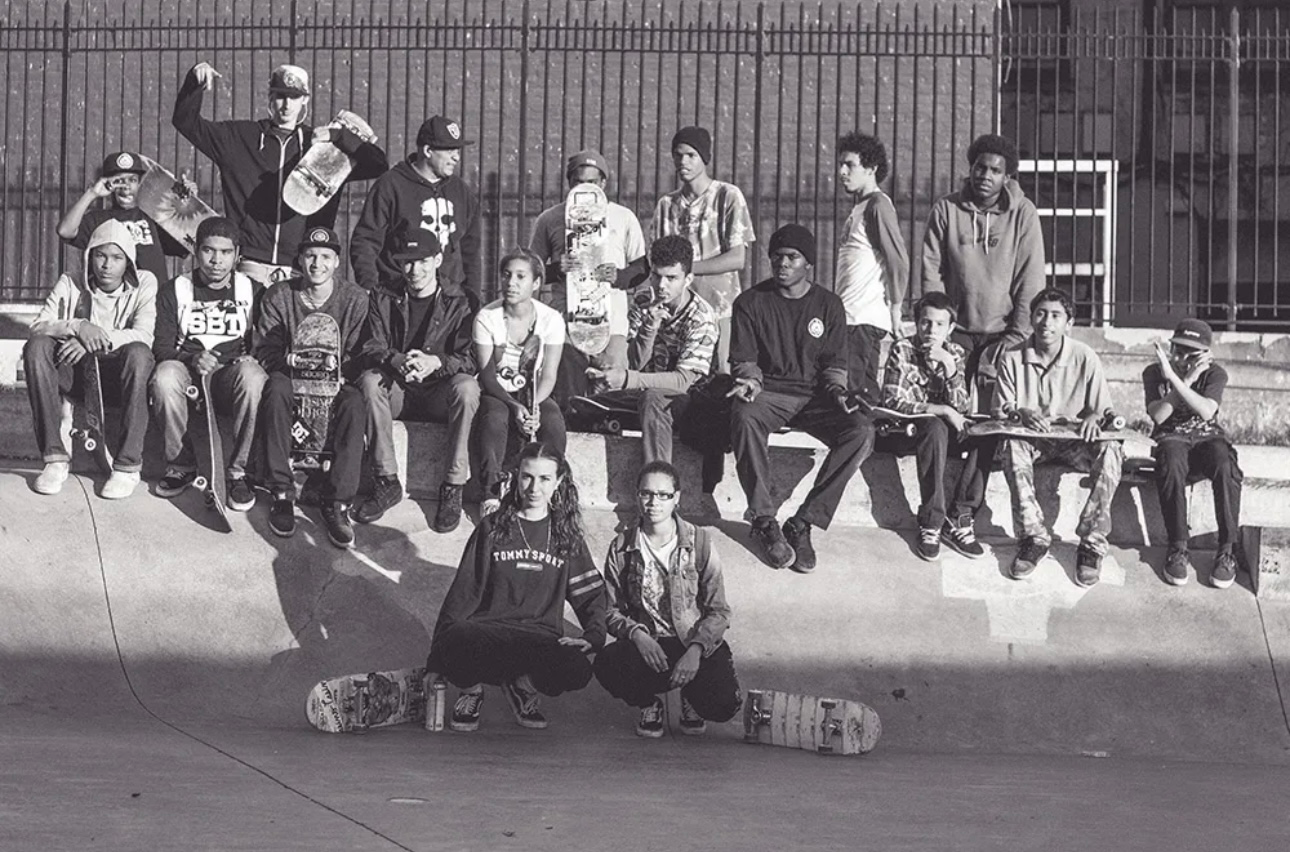
But parties and skating are only part of their vision. Gil dreams of building a tangible infrastructure for women, from large funds to significant social projects. For the members themselves, Brujas isn’t just a team or a brand. It’s a way of being that emerged from the streets of New York and combines sports, art, feminism, and street spirituality.
Fashion as a Manifesto
In 2016, the girls from Brujas proved that their movement went far beyond the skatepark. They launched Brujas x 1971—a limited streetwear line funded through Kickstarter. The name was a reference to the 1971 Attica prison uprising—one of the most famous symbols of the fight against the repressive U.S. penal system.
This collection was more than just stylish T-shirts and shorts. It was a political statement. Every item of clothing sold meant support for campaigns for prisoners’ rights and funding for anti-carceral advocacy. The proceeds from the clothing go into a special bail fund. The goal is to have money that can be immediately used to help people persecuted for their involvement in street culture, such as graffiti artists, “loiterers,” and those who use public spaces. Professional artists handle the designs, and each T-shirt or hoodie becomes a contribution to the fight against the prison system.
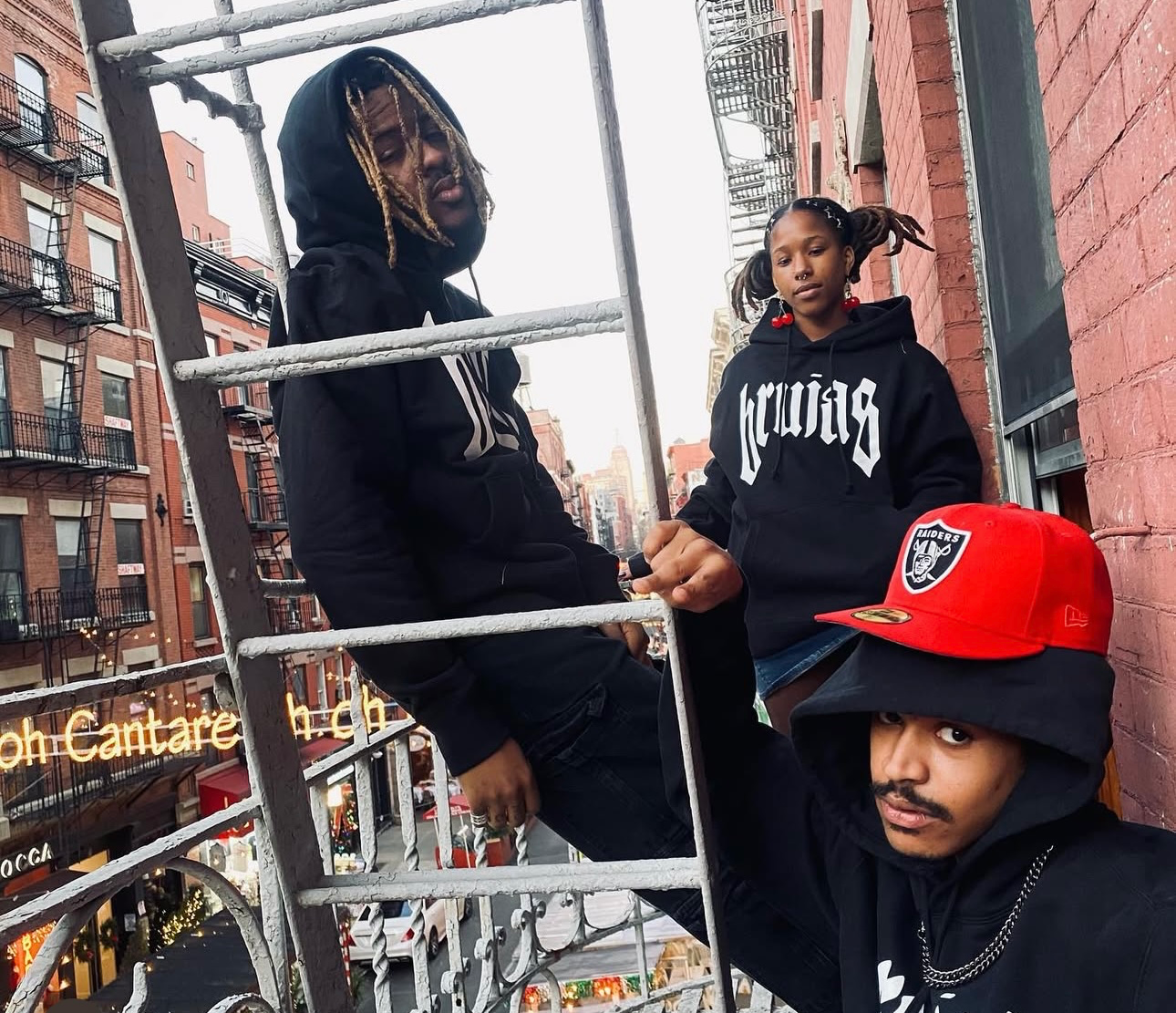
The success of the Kickstarter campaign showed that young people are willing to literally wear their beliefs. The clothing became a tangible symbol of solidarity, a form of resistance, and an alternative to loud slogans on posters. And it helped Brujas establish itself as the voice of a generation that combines creativity, activism, and style.
This uniqueness was also noted by art curators. At the “Patriarchy’s Last Stand” youth summit at the New Museum, organized in collaboration with Brujas, discussions about politics ended where the girls feel most at home: on a halfpipe. Their presence was a reminder that even in serious conversations about rights and equality, it’s possible and necessary to remain free, playful, and with a board under your feet.
1971 became more than a collection—it transformed into a symbol of youth resistance and an example of how streetwear can become a form of political infrastructure. Brujas once again proved that style and activism can go hand in hand.
The Pink Skatepark of Freedom
Brujas turned an art space in the East Village into something more than a temporary residency. They made it into a park—but not one where concrete and police set the rules. This was the Training Facility—their own training center, created for those who often have no place in regular skate zones.
Together with designer Jonathan Olivares, the girls built an indoor skatepark with pink ramps, camouflage stands, a library of political literature, and an atmosphere of absolute freedom. Here, boards glided next to books by Foucault and Malcolm X, and a press release bluntly stated:
“No cops, no cool guys.”
That pink color became a symbol—a challenge to the traditional “macho culture” of skateboarding. Arianna Gil explained that typical skate shops encourage only one type of skater: white, cisgender men. Brujas wanted to break that model by creating a space where queer people, women, and people of color would feel welcome.
The Training Facility wasn’t just about skating. It hosted workshops, parties, band performances, and a legendary inaugural Anti-Prom—an alternative dance party that was called “the Met Gala of the underground.” On stage were artists like Cardi B and Young M.A., and guests included museum curators, high school students, retirees, and punks—all together in a space where no one felt like an outsider.
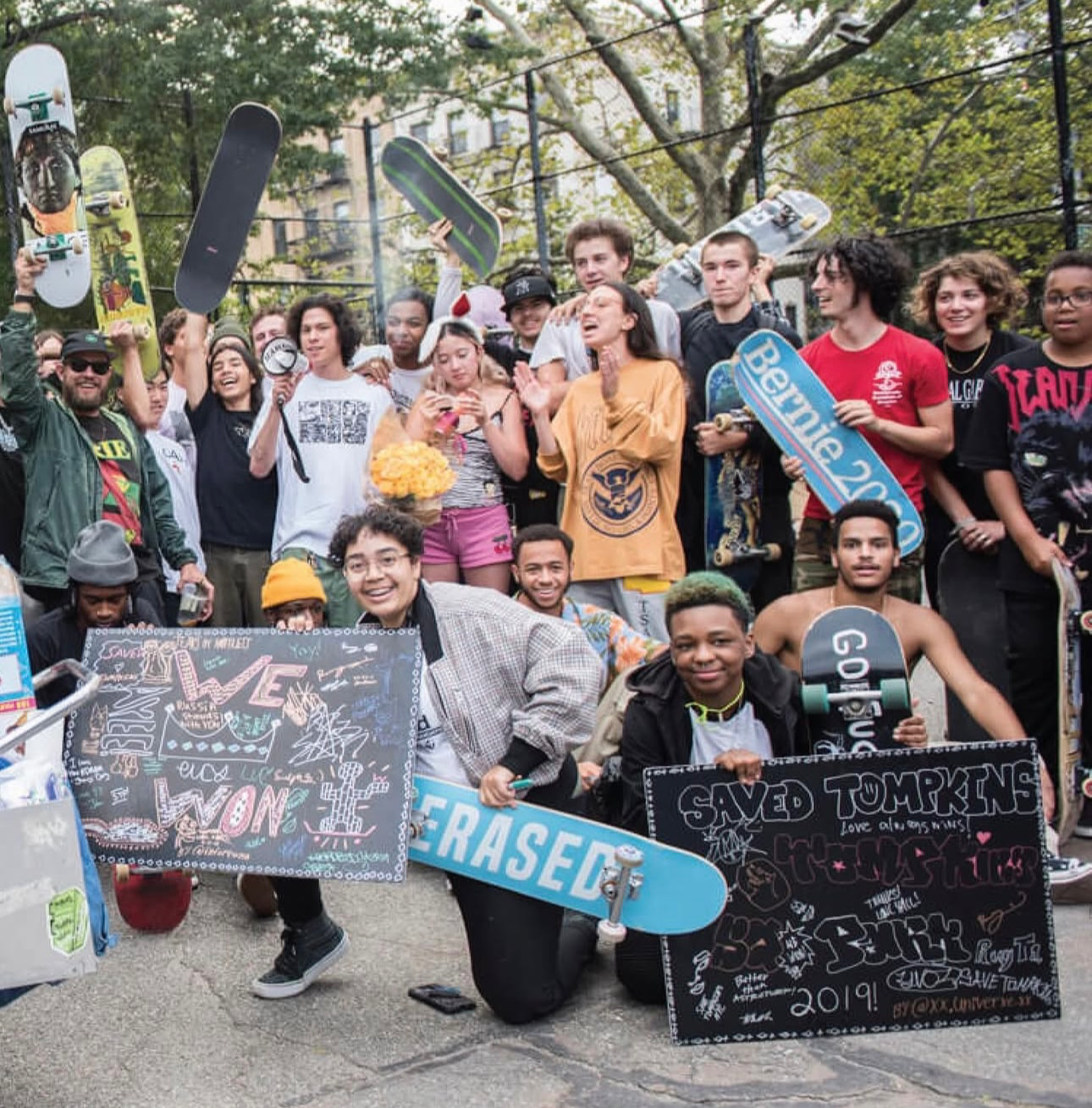
The residency’s name also has a history. It’s a nod to Tompkins Square Park, which skaters once jokingly called their “training center.” When gentrification closed down most of the old spots and more police started showing up at Tompkins, Brujas decided to build their new Tompkins—one block over. Brujas did more than just build a park. They created a space of belonging—skates, boards, books, and pink obstacles became the backdrop for a story about a new, free New York.
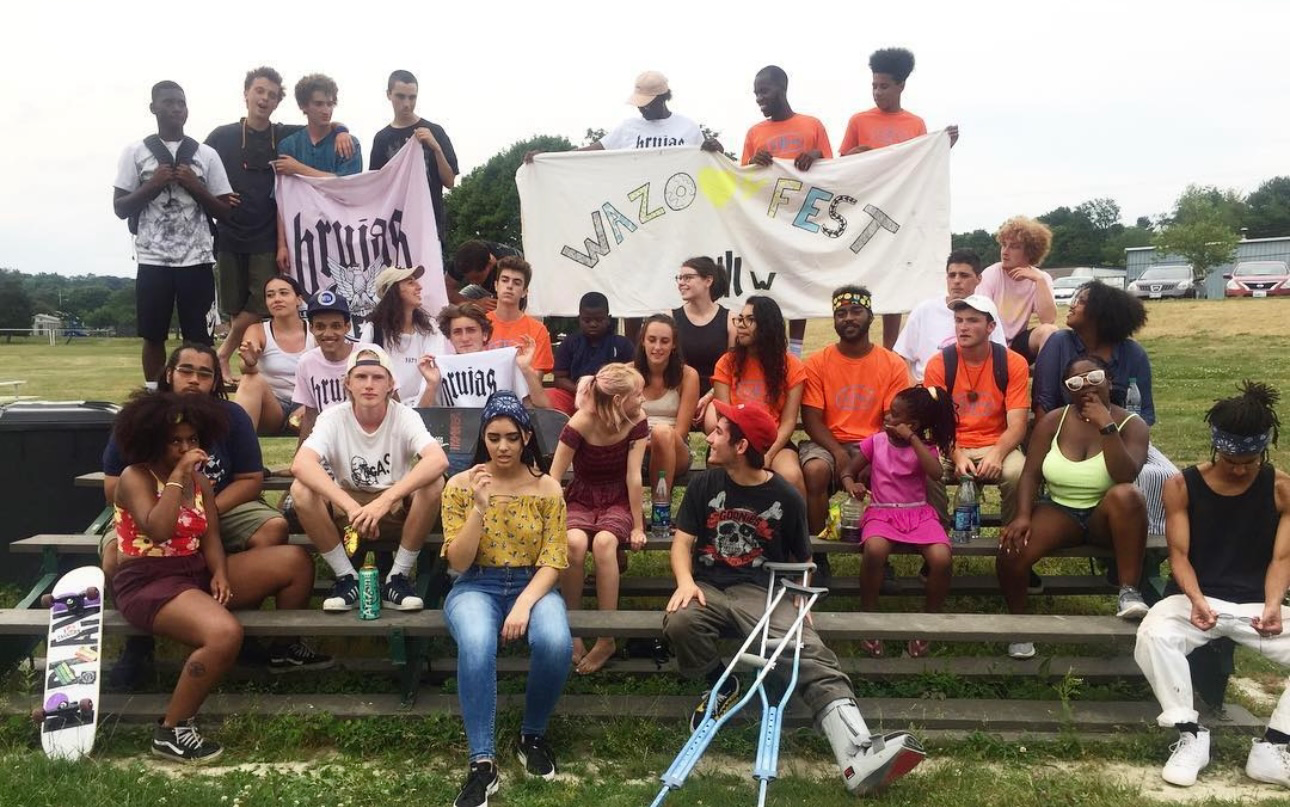
Beyond the Skatepark
On social media, especially Instagram, Brujas has built a platform for expression. They post announcements for skate days, workshops, parties, and calls to action. Most importantly, they create a safe space for queer, LGBTQ youth, and people of color, where the community can exist without pressure or judgment.
At the same time, Brujas responds sensitively to tragedies. They organized a memorial skate event for Maylin Reynoso, a twenty-year-old girl who went missing and was later found dead. Their gesture brought attention to a story that had been ignored by the media. For Brujas, this was proof that in the heart of modern New York, racism and indifference to the lives of young women of color remain an invisible but deadly mechanism.
Their ideology is also constantly evolving. While they initially sounded like a part of liberal feminism, they later openly stated that their views are closer to the legacy of radical movements like the Black Panthers or the Young Lords. In 2017, Brujas walked the runway at New York Fashion Week. In 2018, they transformed the Performance Space art venue into a skatepark for an exhibition titled “The Training Facility.” Every year, they host the Anti-Prom party, dedicated to various current issues.
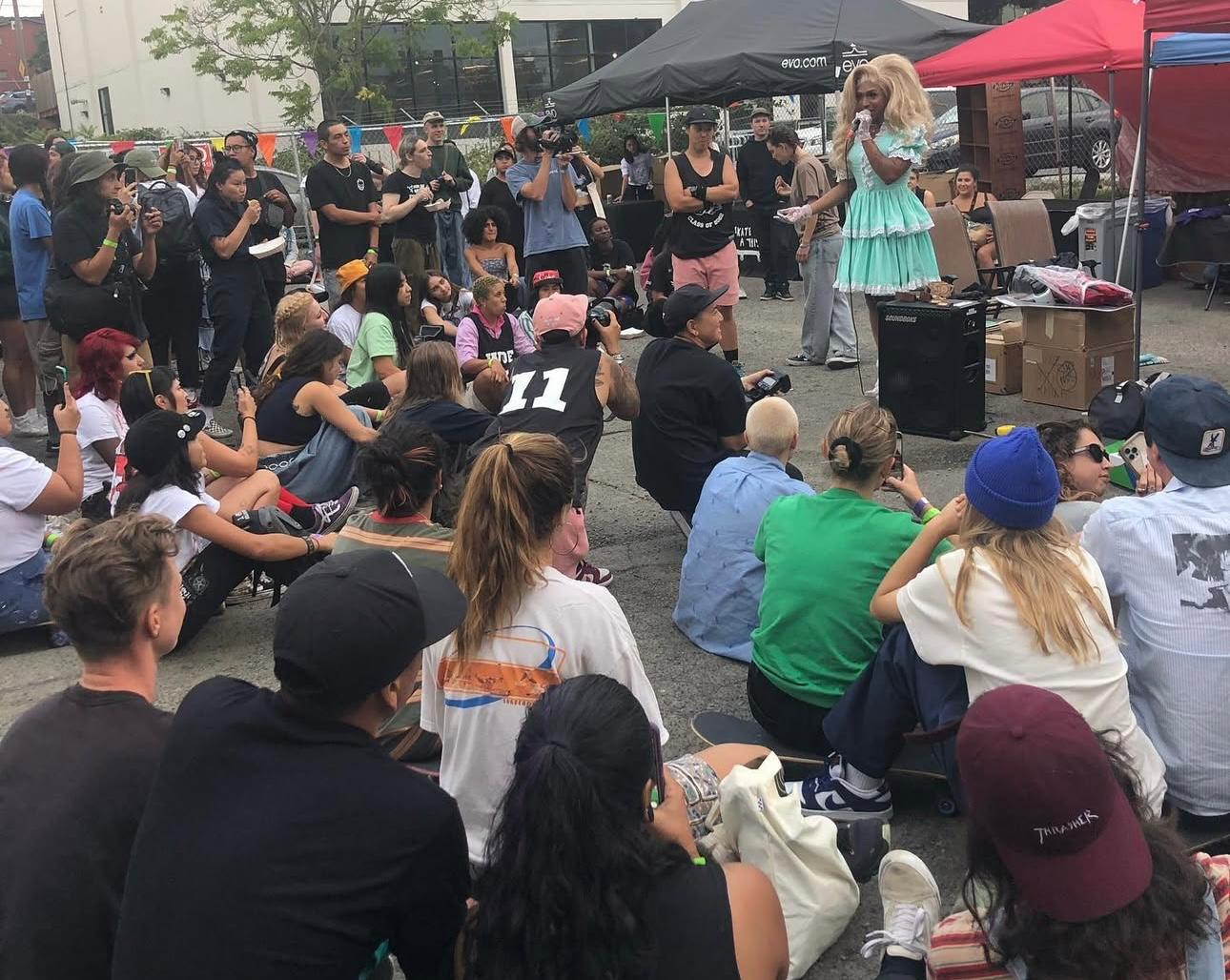
Brujas isn’t just a crew; it’s a movement. Their parties break down barriers, their fashion becomes a weapon, and their skateboarding becomes a voice for political advocacy. They live at the intersection of street culture and the fight for justice. In a city where police and development pressure communities, skating becomes a form of peaceful resistance.